'Probe meaningless if no responsibility is fixed': SC seeks new police protocol after CJP protests
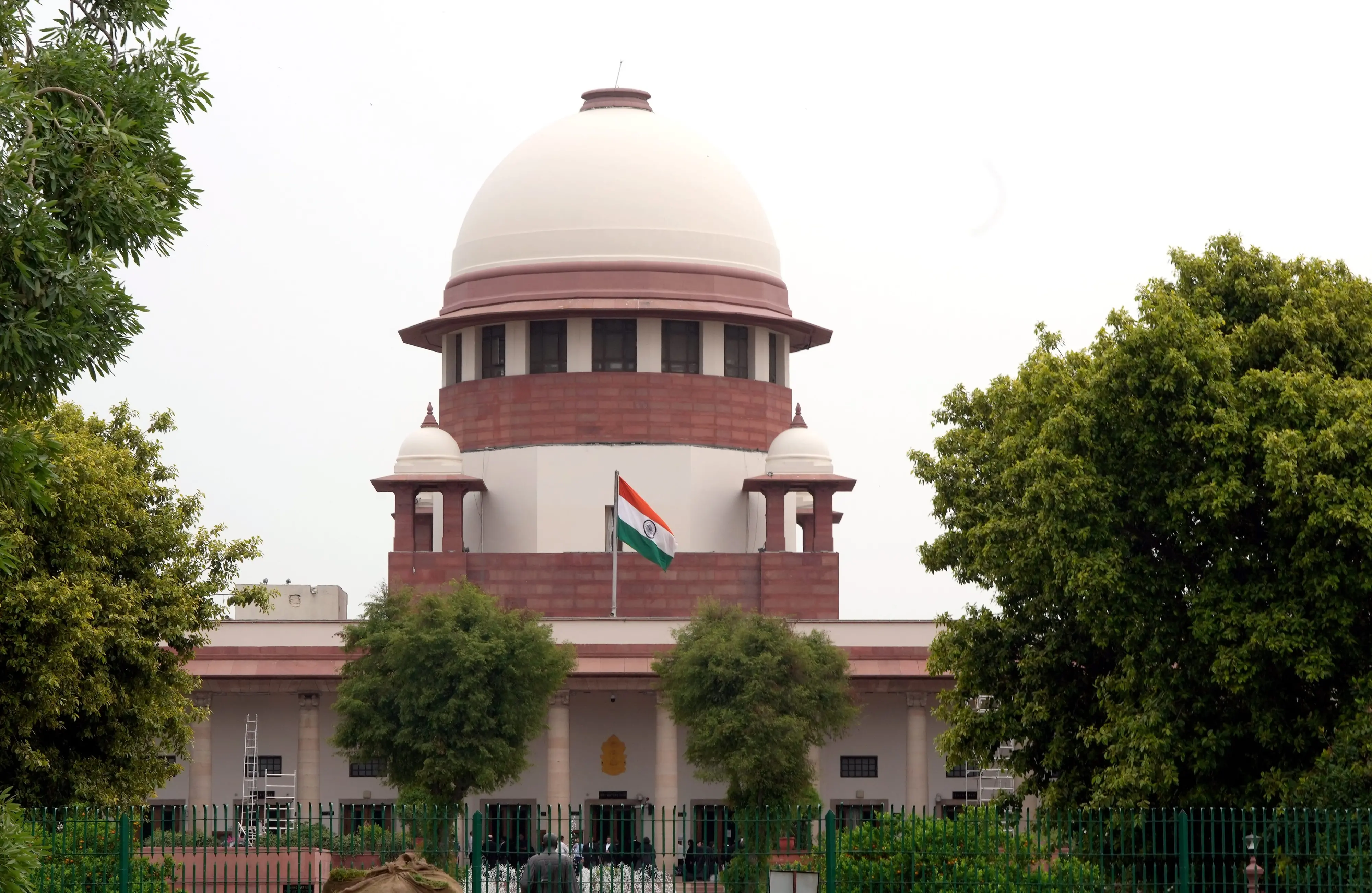
New Delhi: The Supreme Court on Tuesday said there was a need for a new policing protocol to deal with public protests, observing that the police had failed to follow earlier guidelines during the Cockroach Janta Party (CJP)-led student demonstrations in Delhi.
Hearing petitions related to the July 20 protests, the court stressed that allegations of police excesses must be investigated through an independent inquiry and accountability must be fixed wherever necessary.
"There has to be completely independent probe. Whoever has committed excess, law will take its course. Probe is meaningless if no responsibility is fixed," the bench said.
The protests turned violent on July 20 after demonstrators, led by the CJP, attempted to march from Jantar Mantar towards Parliament. Police used tear gas and batons to disperse the crowd, leading to clashes and the detention of several protesters.
Observing that the protest had initially been peaceful, the Chief Justice said constitutional demonstrations should be protected even if disruptive elements later infiltrated them.
"We do not think there is a need for elaborate arguments. This was a completely peaceful protest by students, in which certain demands were raised. It took place within the constitutional framework. They had their own perspective; they want to point out that in such peaceful protests, there are always uninvited guests. They arrive with an agenda, and very soon, they become co-hosts," the Chief Justice said.
The court reiterated that the right to protest is a vital part of democracy and suggested that the existing guidelines governing crowd control should be revisited, particularly regarding the use of tear gas and similar measures.
"It has been submitted on behalf of the students that they were treated in this manner despite their constitutional rights. Every stakeholder should come forward with constructive suggestions. While this court had previously suggested a protocol, many things are now occurring in non-conventional ways. We need to determine what kind of tear gas, or similar measures, should be used and whether their use should be permitted. After all, protests are a part of democracy," the Chief Justice said.
Appearing for the Centre and the Delhi government, Solicitor General Tushar Mehta said the government was not treating the allegations lightly and agreed that action should be taken if excessive force had been used against students.
He, however, noted that around 250 police personnel had also been injured during the violence.
"A proper investigation must be conducted to bring out the truth," Mehta said, adding, "we cannot also demotivate our forces."
Mehta argued that the violence was not carried out by students but by anti-social elements who had infiltrated the protests.
"I do not believe the students engaged in violence; anti-social elements must have infiltrated the group. We will present data regarding these anti-social elements. These were individuals involved in cases of murder, rape, and Narcotic Drugs and Psychotropic Substances Act (NDPS) violations," he said.
The Chief Justice acknowledged that such infiltration was a possibility.
"What was done could not have been done necessarily by students. When such students were protesting peacefully, there are also chances of miscreants getting in," the Chief Justice observed.
The issue of alleged assaults on lawyers by Delhi Police was also raised during the hearing. The Supreme Court noted that the matter was already being heard by the Delhi High Court.
Senior advocate Shyam Divan, appearing for the students, alleged that police had used disproportionate force and submitted documentary evidence before the court.
"These instances of excessive force, we have categorised them. We have given credible media reports and photos. Very serious use of pellet guns. Violence by police officials in civil dress," Divan said.