Mandatory menstrual leave may 'end women’s careers,' warns Supreme Court
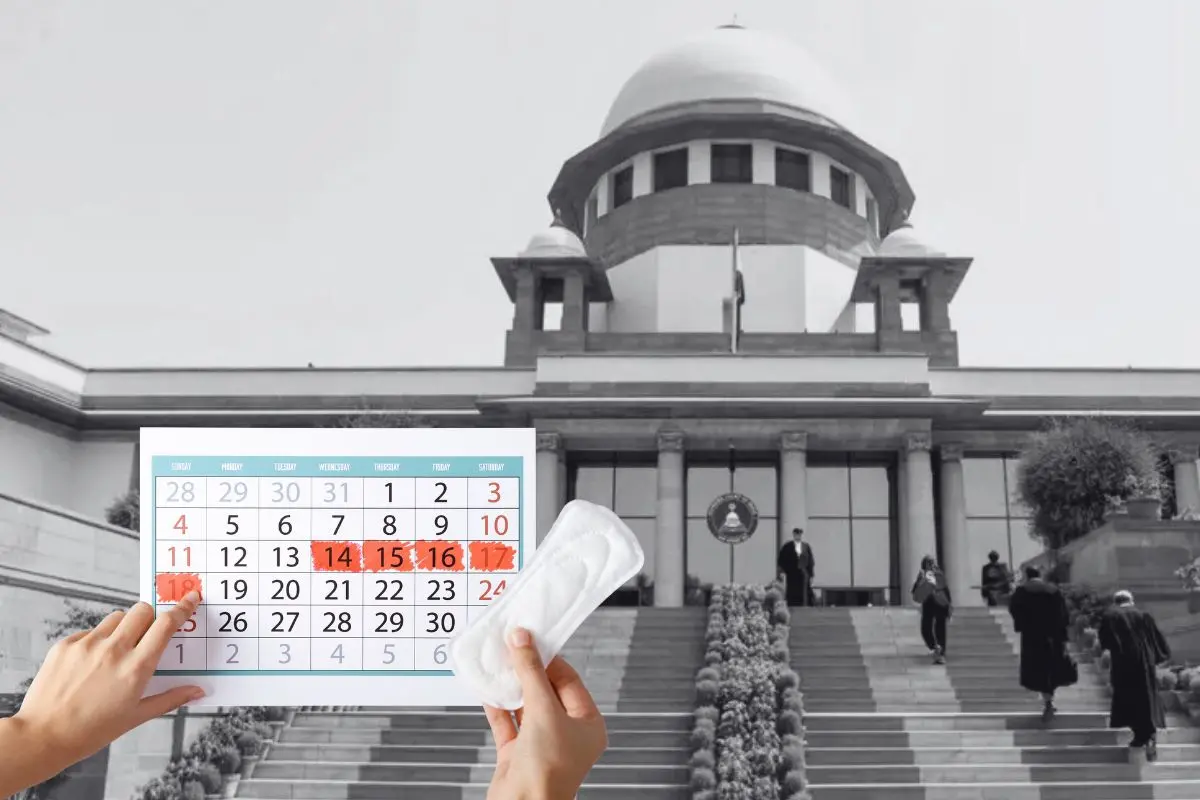
New Delhi: The Supreme Court of India on Friday expressed serious reservations regarding a national mandate for menstrual leave, suggesting that such a law could unintentionally lead to workplace discrimination and hinder women's career growth. A bench led by Chief Justice of India (CJI) Surya Kant cautioned that a compulsory legal requirement might deter employers from hiring women altogether.
The Chief Justice highlighted that while the intent of the plea is to support women, a rigid legal mandate could create a systemic barrier to entry in both the private and public sectors.
"These pleas are made to create fear, to call women inferior, that menstruation is something bad happening to them. Voluntarily given excellent, the moment you say compulsory in law, nobody will give them jobs, nobody will take them in judiciary or govt jobs, their career is over ....they will say- you should sit at home after informing everyone," the CJI remarked.
The bench argued that mandatory leave could create a "psychological fear" or a false impression that women are "less" capable than their male counterparts. The Court emphasised that such a move might inadvertently frame menstruation as a "bad" event or a disability, rather than a natural biological process.
During the proceedings, Senior Advocate M.R. Shamshad pointed to the Kerala government’s 2023 decision to grant menstrual leave to students in all state-run universities as a progressive model. He also noted that several private companies in India have already introduced similar policies voluntarily.
However, the Court distinguished between voluntary corporate culture and statutory compulsion.
Despite declining to mandate leave, the Supreme Court reaffirmed its commitment to menstrual health. Earlier this year, in January 2026, a separate bench recognised menstrual hygiene as an integral part of the Right to Life and Dignity under Article 21.
The Court had previously issued mandatory directions to:
- Ensure free sanitary napkins in schools.
- Guarantee functional, gender-segregated toilets.
- Launch nationwide menstrual health awareness campaigns to dismantle taboos.
While menstrual hygiene is a fundamental right, the path to menstrual leave must be navigated carefully to ensure it empowers women rather than isolating them from the workforce.