Journalists or influencers? SC raises key question after women reporters allege assault in Delhi
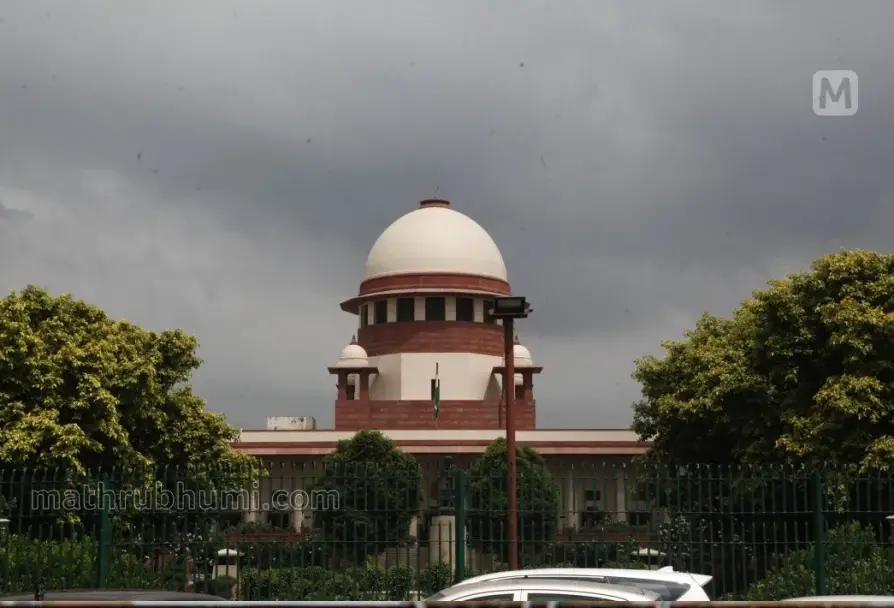
The Supreme Court on Thursday highlighted the challenges in distinguishing accredited journalists from others claiming to be journalists, as it heard petitions alleging that women reporters were assaulted and harassed by police during protests in Delhi on October 10 and 11.
A bench comprising Chief Justice of India Surya Kant and Justice Joymalya Bagchi said the issue required careful consideration, particularly as more people operate in the digital space under the right to freedom of expression.
“The difficulty is when everyone claims to be a journalist under the right to freedom of expression,” Justice Bagchi observed.
The bench indicated that it would examine the different levels of protection that should be available to accredited journalists and how they could be distinguished from social media influencers and others working in the digital space.
The hearing came amid a series of petitions concerning alleged police excesses during the protests, including claims of assaults on journalists, lawyers and demonstrators.
Also read | Over 30 journalists detained during Delhi protests; press freedom groups condemn police action
SC tells Centre not to take coercive action against woman journalist
During the hearing, senior advocate Indira Jaisingh alleged that a woman journalist she represented had been badly assaulted by a male Delhi Police officer during the October 10-11 protests.
Jaisingh also offered to submit a sealed-cover report containing the names of several women journalists who had allegedly faced assault or harassment during the protests.
Taking note of the allegations, the bench told Solicitor General Tushar Mehta, appearing for the Centre and Delhi Police, not to take coercive action against the woman journalist.
The Court said the allegations were serious and required examination. It also indicated that it would consider whether an independent agency should investigate the alleged incidents involving police personnel.
Jaisingh proposed forming a committee comprising former women judges and former IPS officers to examine the complaints. However, the bench indicated that the proceedings would be restricted to the specific woman journalist named in the petition.
The Court also stressed the need to balance the protection of journalists with the examination of allegations against individual police officers.
Also read | Delhi cop accused of sexual abuse during protest files counter-FIR; alleges casteist slurs by journalist
Centre raises concern over identifying journalists
Solicitor General Tushar Mehta pointed to the difficulty authorities face in identifying journalists, arguing that anyone with a mobile phone could claim to be one. He also questioned whether some people describing themselves as freelance journalists were actually social media content creators.
Jaisingh, however, maintained that individuals had the right to work as independent journalists.
The bench acknowledged the challenge of drawing clear distinctions between accredited journalists and those reporting independently, particularly online. Its observations indicated that the Court would consider how different categories of journalists should be protected without treating accreditation as the sole basis for recognising journalistic work.
The issue raises broader questions about how journalists can be protected while reporting on protests, and how safeguards can account for the changing nature of news gathering in the digital era.
SC seeks response on alleged attacks on lawyers, protesters
The hearing also covered petitions concerning alleged attacks on lawyers during the Delhi protests. The bench said it would issue notices to the authorities seeking their responses to four petitions relating to such incidents.
Senior advocate N. Hariharan, appearing for a protester, alleged that his client had been beaten at a police station and was bleeding. He told the Court that a pen drive containing a recording of the alleged assault was available.
The bench also took note of a plea by senior advocate C.U. Singh seeking the return of camera equipment allegedly seized by the police.
The Court was further informed that hawkers and taxi drivers had been affected during the protests.
“Our doors are open for everyone,” the bench said, while considering the concerns raised before it.
The proceedings form part of a batch of petitions concerning the October 10-11 protests in Delhi. The cases include allegations of police action against peaceful demonstrators, journalists and lawyers, as well as claims of non-compliance with earlier court directions on restrictions imposed during the protests.
The Supreme Court has sought responses from the authorities on the allegations, while indicating that it will examine the appropriate course of action in the individual cases.