SC suggests 'more cats' for rodents as stray dog removal sparks balance debate
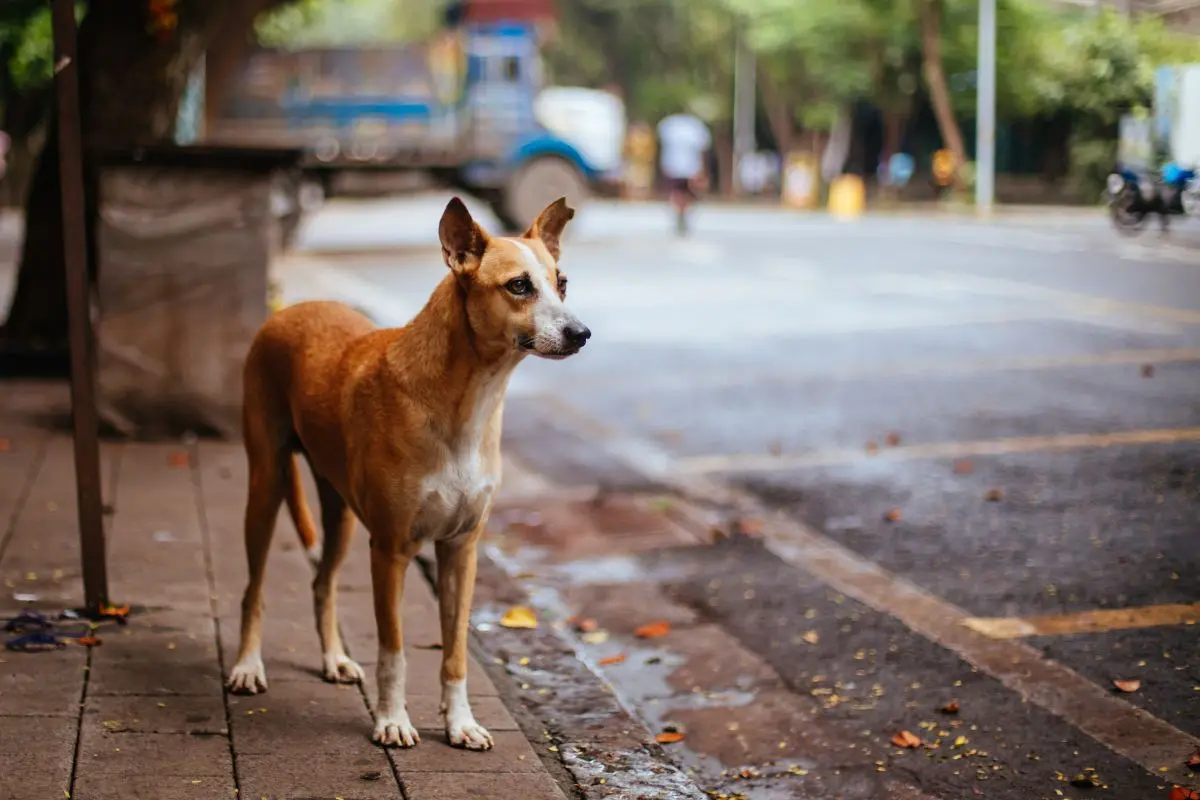
New Delhi: The Supreme Court of India engaged in a sharp, and at times witty, debate Thursday over the "delicate balance" of urban ecology as it considered the removal of stray dogs against the potential for an increase in city rat and monkey populations.
The hearing, part of an ongoing suo motu proceeding on stray dog management, saw the bench and senior advocates spar over the consequences of clearing streets of canines. Senior Advocate C.U. Singh, representing animal welfare interests, cautioned the court that "abrupt removal" of dogs could trigger a "rodent and monkey menace" in cities like Delhi.
“Canines maintain the balance,” Singh argued. “When they are removed, the rodent population shoots up. They are disease carriers.”
Justice Sandeep Mehta, responding with a touch of irony, questioned the scientific link. “Is there a correlation? In a lighter vein, dogs and cats are enemies. We should promote more cats, since they are enemies of rodents,” he remarked.
The "Vacuum Effect" and Institutional Safety
The court’s 2026 proceedings follow a landmark and controversial November 2025 order that directed the immediate removal of stray dogs from "high-footfall" institutions, including schools, hospitals, and courts. Unlike standard protocols, the court ordered that these dogs not be released back to the same locations after sterilisation.
Welfare groups have flagged this as a violation of the Animal Birth Control (ABC) Rules 2023, which mandate the return of dogs to their original territories to prevent the "vacuum effect", a phenomenon where new, unvaccinated dogs rush into a cleared area.
"We have not directed the removal of every dog from every street," Justice Mehta clarified. "But they have to be treated as per rules. As far as institutions are concerned, they are not streets. Why do you need dogs in hospital premises?"
State Compliance Lags
Amicus Curiae Gaurav Aggarwal informed the bench that while 16 states have now filed affidavits regarding their infrastructure for shelters and sterilisation, seven states remain non-compliant. Aggarwal noted that some of the largest states, including Uttar Pradesh, Punjab, and Karnataka, had submitted inadequate data or filed at the eleventh hour.
The court expressed frustration at the slow pace of implementation. "People are dying. Children are being bitten," the bench noted, referencing recent data that showed a 35% increase in dog-bite cases in some urban centres over the last two years.
Humane vs. Practical Solutions
The bench, which also includes Justices Vikram Nath and N.V. Anjaria, pushed back against arguments that specialised shelters are "inhumane." In a pointed exchange, when Singh advocated for the "efficacious" method of sterilisation and re-release, the bench questioned the practicality of having strays in sensitive medical environments.
"How many dogs should each hospital have, tell us? Beside each bed?" Justice Mehta asked.
The Supreme Court is expected to issue revised guidelines for the National Highways Authority of India (NHAI) and state governments later this month to address animal-related accidents on expressways, while continuing to refine the rules for urban "dog-free zones."