Did Delhi defy the Supreme Court? Contempt plea over CJP protest restrictions
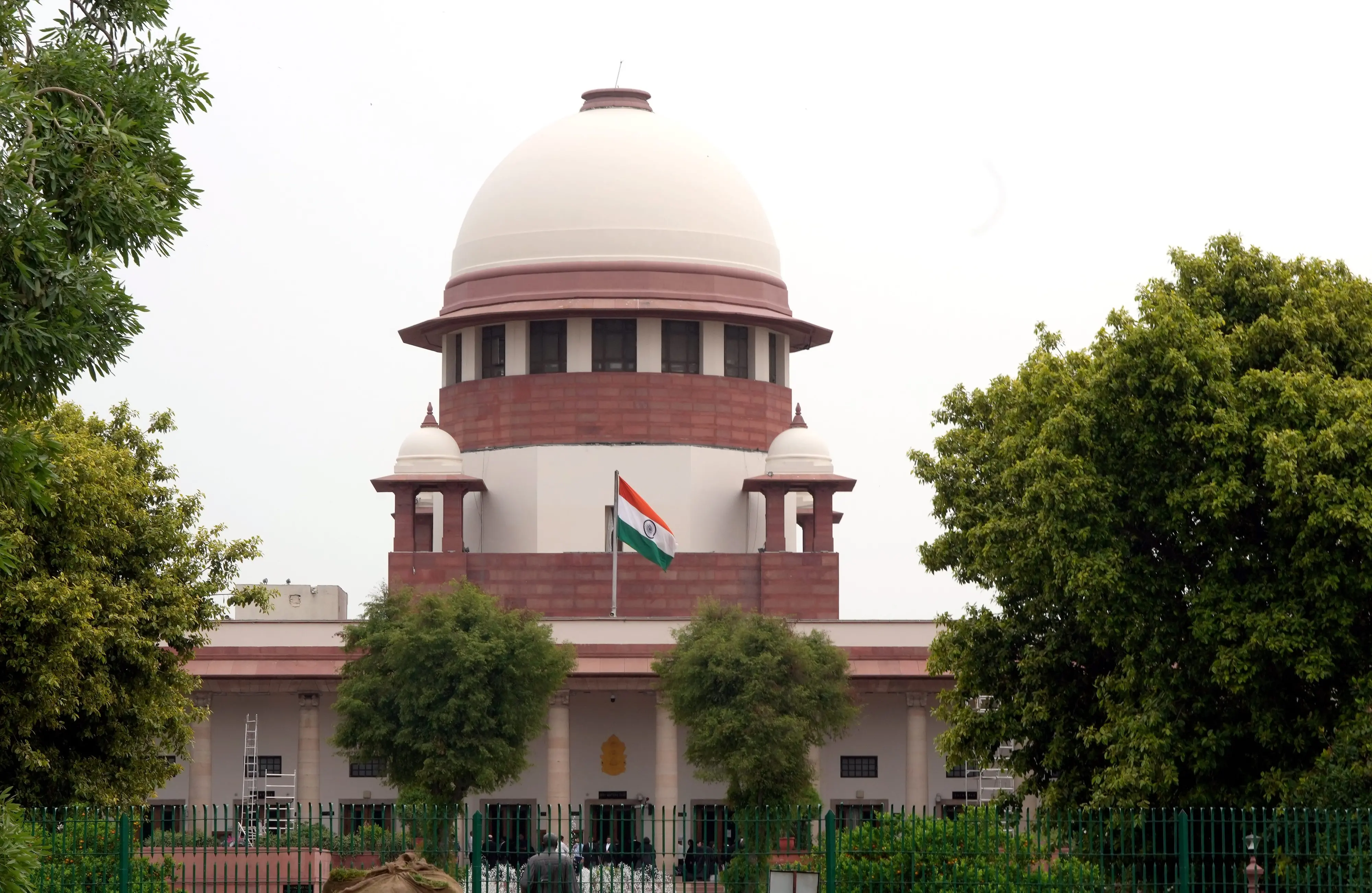
New Delhi: The Supreme Court is scheduled to hear a contempt petition on Sunday, October 11, over the alleged violation of its order on public transport restrictions during the Cockroach Janta Party (CJP)-led protest in Delhi.
At least four petitions have reportedly been filed ahead of the special hearing, challenging aspects of the security restrictions, mass detentions and alleged police excesses during Saturday’s demonstrations.
What is the Supreme Court hearing about?
A bench comprising Justices Joymalya Bagchi and V Mohana is scheduled to hear a contempt petition seeking action against authorities over the closure of Delhi Metro stations and restrictions on train services during the October 10 protest.
The petition, filed by advocate Shailendra Mani Tripathi through advocate Chand Qureshi, names Union Home Secretary Govind Mohan, Delhi Police Commissioner Anurag Kumar and Delhi Metro Rail Corporation (DMRC) chairperson D Thara as respondents.
The petitioner has alleged that authorities failed to comply with the Supreme Court’s October 9 order, which directed the government to ensure there was no complete prohibition on metro and train movements because of the planned protest.
According to the petition, several metro station entry gates remained closed despite the court’s directions. The petitioner said he visited GTB Nagar and Vishwavidyalaya metro stations at around 9.30 pm on Friday and found their entry gates completely closed, while exit gates were being manually regulated.
These claims are allegations contained in the petition. The court is yet to determine whether the authorities breached its order.
What did the Supreme Court order on October 9?
On October 9, the Supreme Court considered a separate plea challenging restrictions on metro stations and train services ahead of the CJP protest.
The bench, headed by Chief Justice of India Surya Kant and also comprising Justices Joymalya Bagchi and V Mohana, observed that a distinction had to be made between completely prohibiting public transport and regulating its operations for security reasons.
The court said metro and other train services could operate in a suitable, regulated manner, while allowing authorities to take necessary measures to manage crowds and prevent disorder.
It also called for transport and traffic advisories to be publicised widely so commuters could avoid unnecessary hardship.
The contempt petition alleges that the closure of 45 metro stations from 9 pm on Friday until 6 pm on Saturday, along with reported train cancellations and restrictions, amounted to non-compliance with the court’s directions.
Why was Delhi placed under tight security?
Delhi Police deployed extensive security arrangements on October 10 as the CJP and student organisations planned a protest at Jantar Mantar demanding the resignation of Chief Election Commissioner Gyanesh Kumar over alleged irregularities in the functioning of the Election Commission.
Police erected barricades at key entry points, conducted vehicle checks and deployed personnel at sensitive locations to prevent protesters from reaching the demonstration site.
According to reports, around 1,000 people were detained across Delhi during the security operation. Among those detained were Aam Aadmi Party national convenor Arvind Kejriwal and several other Opposition leaders. Police sources subsequently said most detainees had been released, while CJP leaders remained in custody as legal procedures continued.
CJP activists Abhijeet Dipke, Ashutosh Ranka and Saurav Das were detained after arriving in Delhi by air. Dipke alleged in a video that police personnel entered the aircraft to detain them.
Delhi Police has maintained that the security measures were intended to preserve law and order and protect sensitive areas. The government has defended the restrictions as necessary to prevent disruption.
Opposition alleges crackdown; government defends security measures
The detentions triggered a political confrontation, with Opposition leaders accusing the government of suppressing dissent and undermining democratic rights.
Congress leader Priyanka Gandhi Vadra described the situation as a dictatorship, while Rahul Gandhi said the Opposition would not back down from its protests. AAP leaders also criticised the police action.
The BJP rejected the Opposition’s allegations and accused protest organisers of attempting to create instability. Defence Minister Rajnath Singh acknowledged the right to dissent in a democracy but said that spreading anarchy was not a right.
The competing claims highlight the central question before the authorities and the courts: how to balance public order and security requirements with the right to peaceful protest and access to essential public services.
Four petitions raise questions over detentions and police action
The reports indicate that at least four petitions have been filed before the Supreme Court ahead of the special hearing. The contempt petition specifically concerns the alleged violation of the court’s October 9 directions on public transport.
Other legal challenges reportedly concern preventive detentions and alleged police excesses during the protests. The precise scope and status of each petition would need to be established from the relevant court filings.
Separately, the Supreme Court Bar Association sought the Chief Justice’s intervention over the reported detention of advocates near the Supreme Court. Chief Justice Surya Kant told ANI that advocates were being released following his verbal intervention.
Meanwhile, a Saket court dismissed an application filed on behalf of Ratna Singh, legal affairs head of the Campaign for Judicial Parity, seeking registration of an FIR against police personnel. The application alleged that Singh had been wrongfully confined and prevented from attending the protest.
What is at stake in the hearing?
The Supreme Court hearing will examine allegations that public transport restrictions during the protest were inconsistent with its October 9 directions. The outcome could clarify how authorities should implement security measures when demonstrations are expected to draw large crowds.
The legal distinction is between regulating transport to manage security risks and imposing a blanket prohibition that disrupts ordinary public movement. The court’s earlier order recognised the need for security measures while cautioning against bringing public transport to a complete halt.
The contempt petition also raises questions about accountability when a party alleges that a judicial direction has not been followed. However, filing a contempt petition does not establish that contempt has occurred; the court must assess the facts, the order’s scope and the authorities’ actions.
The broader political dispute is likely to continue. Congress has announced a protest for October 12, while student organisations and CJP have indicated that demonstrations may continue. The Supreme Court’s hearing is therefore expected to be a significant legal development in the ongoing dispute over the protests and the restrictions imposed in the capital.