Supreme Court hearing CJP protest plea, urges police restraint over aggression
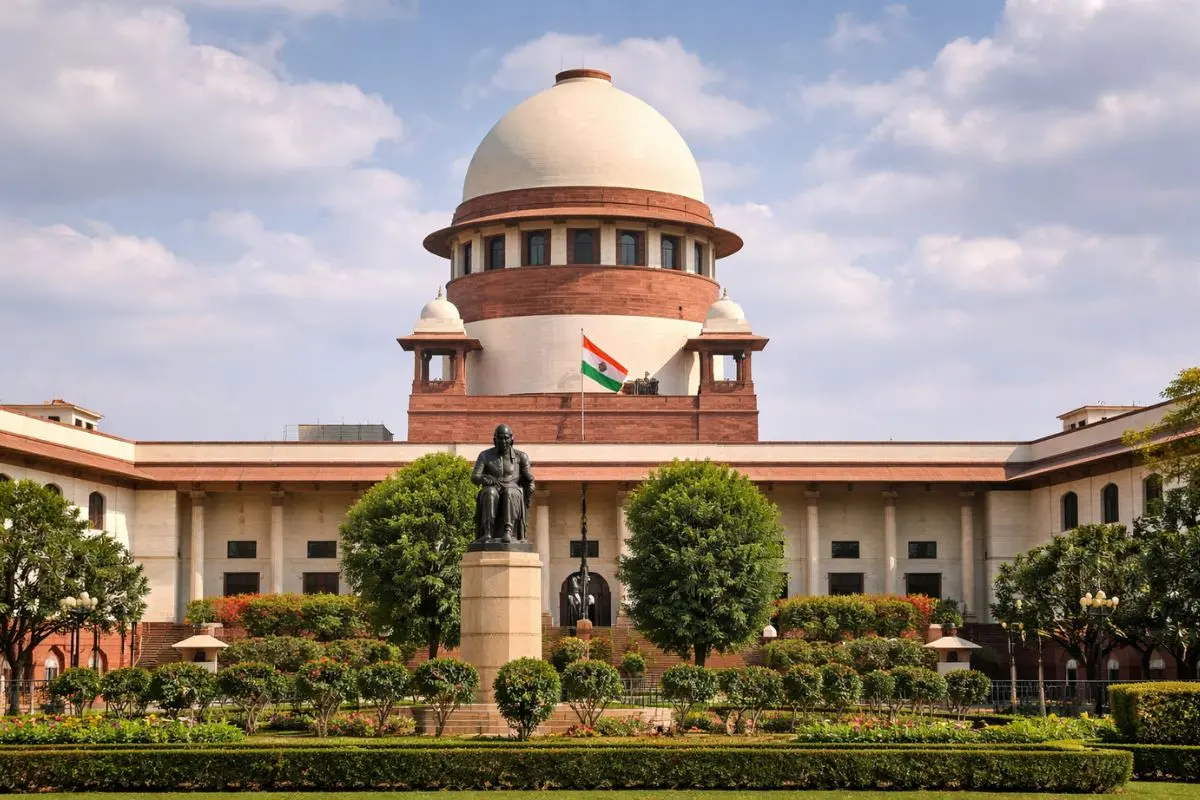
New Delhi: 'The most powerful tool is listening,' the Supreme Court observed on Wednesday as it underscored that police should exercise restraint while dealing with protests, saying young demonstrators are better counselled and pacified than confronted with an aggressive state response.
The observations came while a Bench comprising Chief Justice Surya Kant and Justices Joymalya Bagchi and V Mohana was hearing a petition seeking action against the organisers of the July 20 'Sansad Chalo' march, who have been accused of inciting violence.
The court tagged the plea, filed by retired Air Force officer Maneesh Kumar Solanki, with another petition already pending on the same issue.
Appearing for the petitioner, advocate Rizwan Ahmed argued that the organisers could not escape accountability, claiming they continued to make provocative remarks even more than two weeks after the protest.
He also referred to a recent law and order incident in Rajasthan and argued that governments should not set a precedent by yielding to violent demonstrations.
Ahmed contended that such an approach could embolden similar protests elsewhere, including by students in other states.
Responding to the submissions, the Chief Justice said that even if some 'misguided elements' resort to stone-pelting, the response should focus on preventing further escalation rather than intensifying the confrontation.
'They need advice and counselling. Any aggressive approach from the side of the mighty State may socially aggravate the situation and precipitate further violence. That needs to be avoided,' the CJI remarked.
The petitioner's counsel, however, maintained that those responsible for violence should be held accountable regardless of any perceived shortcomings on the part of the government.
Drawing a comparison with the farmers' agitation at the Singhu border, he warned that similar demonstrations by future generations could become more frequent if accountability was overlooked.
He further argued that Parliament, describing it as the 'temple of democracy', required the highest level of protection and questioned the consequences had protesters managed to breach security.
Reiterating the court's approach, the Chief Justice said peaceful protests must be facilitated while ensuring police respond with considerable restraint if violence erupts.
'The better course is to counsel them and pacify them. The most powerful tool is listening. Listen to them and understand why they are shouting,' he said, before adding that law enforcement agencies were ultimately best placed to decide how to handle such situations on the ground.
The petition also sought directions to identify those who allegedly used derogatory language against police and security personnel during the march and asked that they be directed to perform community service.