‘New-age triple talaq?’: SC questions Islamic talaq-e-hasan, blasts lawyer-issued divorce
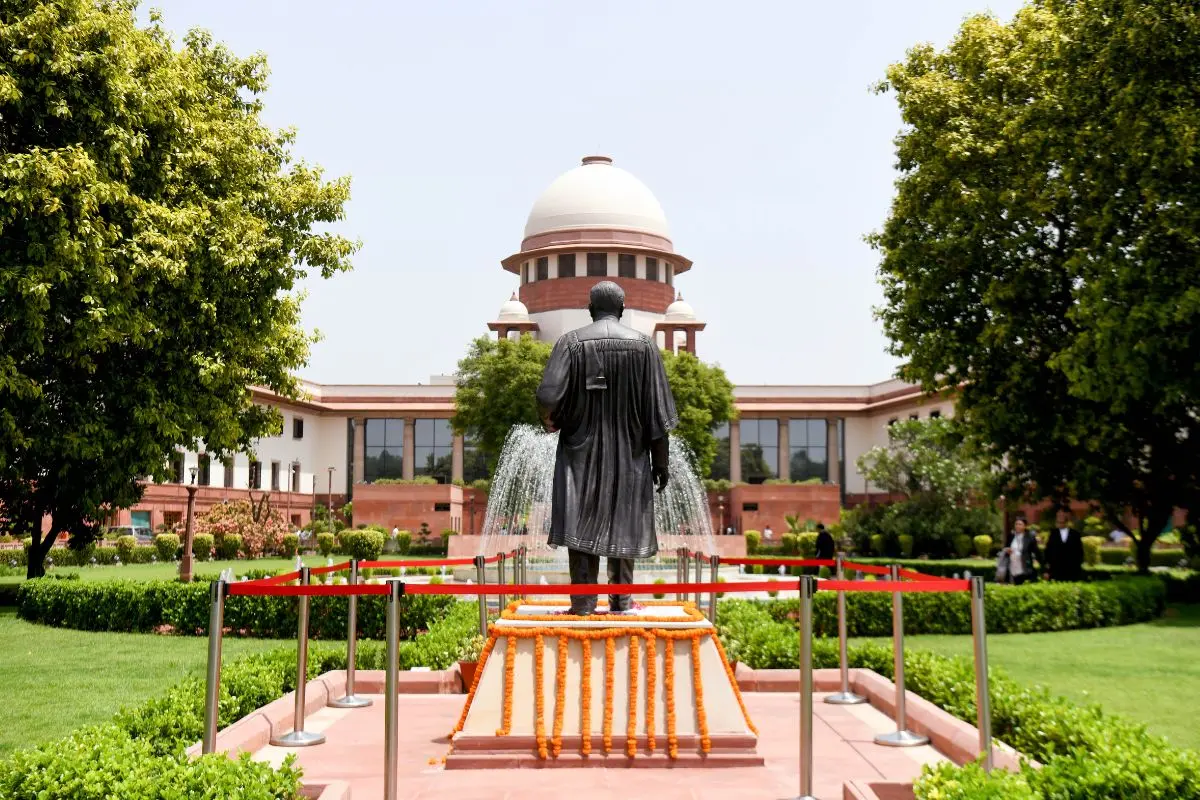
The Supreme Court on Wednesday delivered a scathing critique of talaq-e-hasan—a form of triple talaq delivered over three months—signalling a fresh judicial push to re-examine Muslim divorce practices eight years after instant triple talaq was struck down.
A bench of Justices Surya Kant, Ujjal Bhuyan and NK Singh questioned how a practice allowing unilateral, staggered divorce by the husband could survive in a “modern, dignified society.”
“How is this allowed in modern society?” Justice Kant asked bluntly, as the court heard multiple petitions challenging the validity of talaq-e-hasan.
The court’s sharpest comments came while hearing the plea of Benazir Heena, a woman left battling for her child’s school admission because her husband allegedly divorced her through his lawyer—without even signing the notice himself—and promptly remarried.
In the 11-page talaq notice issued to her, the husband’s signature was missing. The pronouncement of divorce, her counsel told the court, came solely from the husband’s advocate. This triggered pointed, almost incredulous questioning from the bench.
“Can this be a practice? How are these new innovative ideas being invented?” Justice Kant asked, rejecting the claim that such proxy divorces were ‘common practice’ in Islam.
The bench tore into the very idea of a lawyer becoming the conduit for a marriage’s dissolution.
“What prevents the husband from directly communicating with her? Is his ego so fragile that he can’t even speak to his wife while divorcing her? How can you promote this in a modern society? It is the dignity of a woman.”
The judges emphasised that if divorce was to be undertaken as per religious traditions, the entire procedure needed to be followed—not selectively outsourced.
The court also expressed concern for women without legal or financial resources to fight such battles.
“We salute this woman for fighting for her rights. But what about women who can’t? If she remarries, the earlier husband will come and accuse her of polyandry. Should a civilised society allow such practices?”
Alongside questioning the validity of talaq-e-hasan, the bench sought detailed information on the various forms of Muslim divorce and asked Heena to name the school that refused her child admission.
In a significant step, the court summoned the husband for the next hearing. “Let him come here and unconditionally provide what she wants,” the bench ordered.
The judgment to outlaw instant triple talaq in 2017 was one of the court’s most consequential interventions in personal law. With the latest proceedings, the Supreme Court appears poised to examine yet another controversial divorce mechanism—this time, one that operates slowly but, as the bench suggested, may be no less oppressive.