Three-language policy sparks debate: Why SC refused to stop CBSE's plan
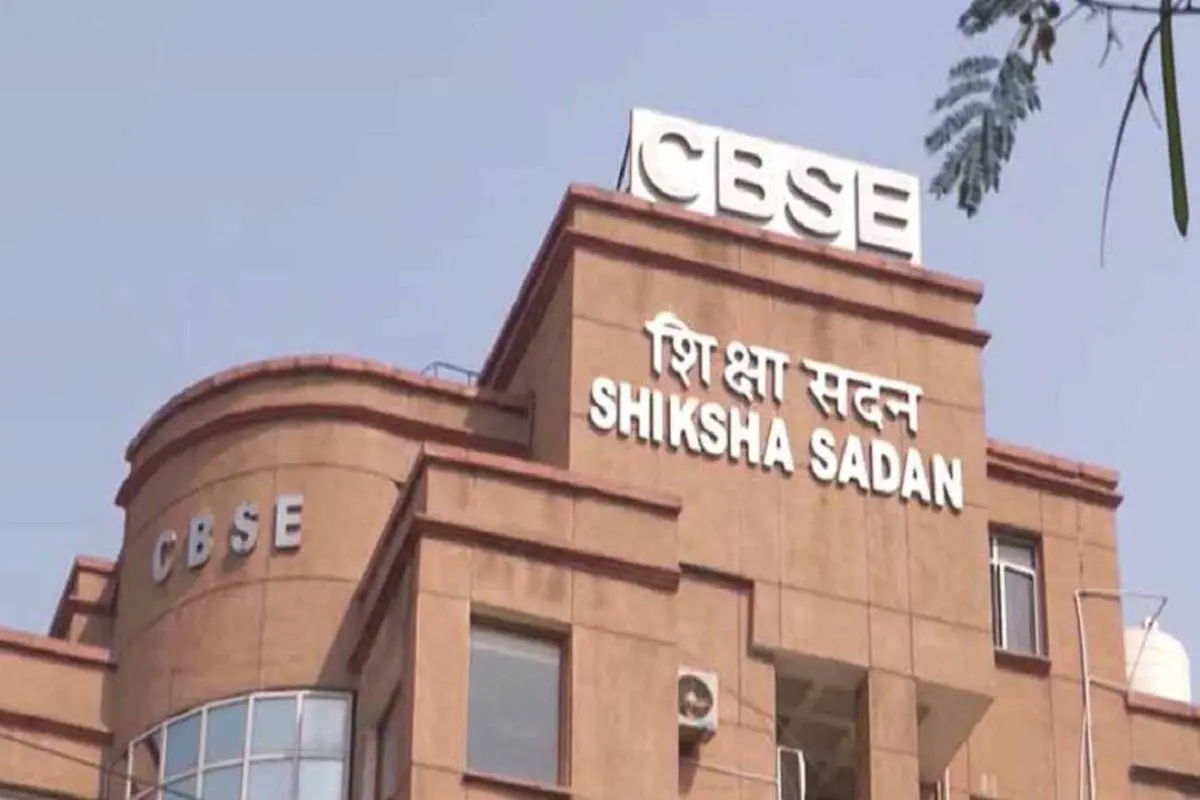
New Delhi: The Supreme Court has refused to grant interim relief against the implementation of CBSE's three-language policy for Class 9 students, directing that the matter be heard along with similar pending petitions in July.
The Supreme Court has declined to pass any interim order on petitions challenging the implementation of the Central Board of Secondary Education's (CBSE) three-language policy, which is set to take effect from the 2026-27 academic session.
A bench comprising Chief Justice Surya Kant and Justice V Mohana observed that the matter had already been argued extensively and there was no basis for granting interim protection.
Hearing scheduled for July 14
The court ordered that the plea filed by NGO Friends of People for Active Democracy be tagged with similar petitions already pending before the apex court.
The next hearing has been scheduled for July 14, when all related matters will be considered together.
During the proceedings, the petitioner's counsel clarified that the challenge was directed at the implementation of the policy rather than the three-language formula itself.
What is the CBSE three-language policy?
Under the policy announced by the CBSE, students entering Class 9 from July 1, 2026, will be required to study three languages.
At least two of these must be native Indian languages. Students wishing to study a foreign language may do so only after taking two Indian languages, or as an additional fourth language.
The policy forms part of CBSE's alignment with the National Education Policy 2020 and the National Curriculum Framework for School Education 2023.
No Class 10 board exam for third language
CBSE has clarified that the third language will not be included as a separate board examination subject in Class 10.
Instead, assessments will be conducted internally by schools and the results will be reflected in students' CBSE certificates.
The board has also assured students that failure to meet third-language requirements will not prevent them from appearing for Class 10 board examinations.
Schools directed to prepare for rollout
Schools have been instructed to update their third-language offerings on the OASIS portal by June 30, 2026.
CBSE plans to make Class 6 textbooks available in 19 scheduled Indian languages before July 1. For languages where dedicated textbooks are unavailable, schools may use state education board resources.
To address teacher shortages, CBSE has recommended measures including inter-school resource sharing, virtual teaching support, hiring retired teachers and engaging qualified postgraduate instructors.
The three-language policy is part of a broader package of academic reforms.
CBSE has also announced plans to introduce a two-level system for mathematics and science in Class 9 from the 2026-27 academic session. Students will be able to choose between standard and advanced levels while continuing to sit a common examination.
The case is being closely watched as it concerns one of the most significant education reforms linked to the National Education Policy 2020. The Supreme Court's eventual decision could influence how language education is implemented across CBSE-affiliated schools nationwide.