‘Masks are not enough’: Supreme Court sounds alarm on Delhi pollution ‘serious situation’
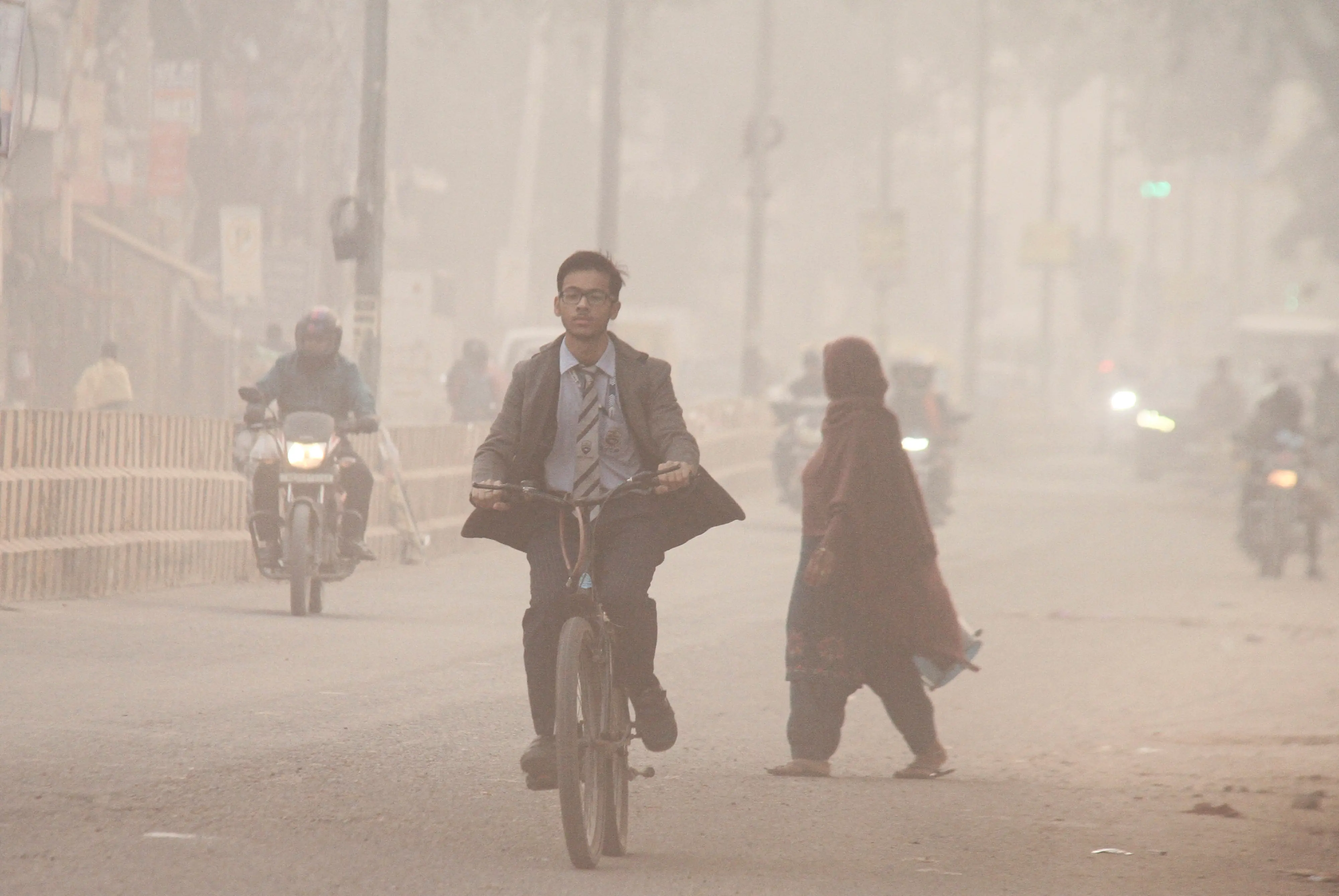
New Delhi: Delhi continued to struggle with severe air pollution on Thursday, with the Air Quality Index (AQI) crossing 400 at multiple monitoring stations, including Anand Vihar (431), Bawana (460), Chandni Chowk (455), and Rohini (447). The national capital remained shrouded in thick smog for the third consecutive day, posing serious health risks even to healthy individuals.
According to LiveLaw during court proceedings, Justice PS Narasimha, sitting alongside Justice Atul S Chandurkar, advised senior lawyers to use virtual hearing facilities instead of appearing in person. “Why are you all appearing here? We have a virtual hearing facility. Please avail it. The pollution – this will cause permanent damage,” he warned. When senior advocate Kapil Sibal noted that many lawyers were already wearing masks, Justice Narasimha cautioned that “even masks are not enough. It will not suffice.”
The Supreme Court also highlighted the role of crop residue burning in neighbouring states, which has contributed significantly to Delhi’s toxic haze. The court directed Punjab and Haryana to submit detailed data on steps taken to curb stubble burning within one week. Chief Justice of India BR Gavai emphasised the need for concrete enforcement and policy action from state administrations to address the continuing decline in air quality.
Experts have warned that prolonged exposure to such ‘severe’ pollution can cause respiratory illnesses, cardiovascular problems, and long-term damage to lungs. The Supreme Court’s intervention underlines the gravity of the public health crisis and the urgent need for both immediate protective measures and sustained policy enforcement.
Delhi has recorded its first ‘severe’ AQI days of the season earlier this week, starting with 428 on Tuesday afternoon, followed by consistently high readings on Wednesday and Thursday. Severe AQI is categorised as posing serious health risks to the general population, especially children, elderly, and those with pre-existing respiratory or cardiac conditions.
The Central Pollution Control Board (CPCB) reported extreme AQI readings across multiple stations in Delhi-NCR: Bawana (460), Chandni Chowk (455), Anand Vihar (431), ITO (438), and Dwarka (400). Stubble burning in Punjab and Haryana, along with vehicular and industrial emissions, are major contributors.
The Supreme Court’s warning, combined with advisories for virtual hearings, reflects both immediate health precautions and the broader need for policy enforcement to tackle Delhi’s recurring air pollution crisis.