Air inside south Delhi homes more polluted than outdoors: Study
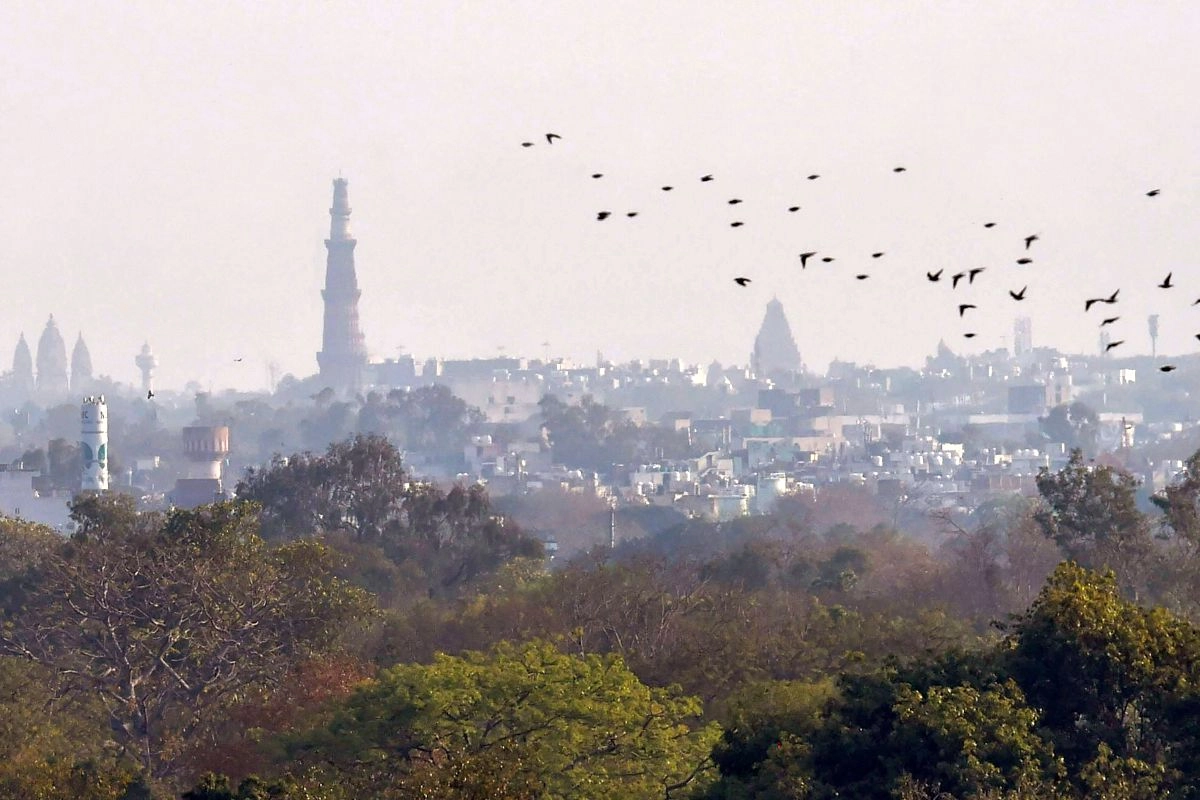
New Delhi: Simply staying indoors may not necessarily shield people from air pollution as levels of fine particulate matter (PM) inside poorly ventilated homes in south Delhi were around 50 per cent higher than those outdoors, a study finding revealed.
The study, which assessed air quality in 24 residential houses across four neighbourhoods in south Delhi, found that indoor PM2.5 concentrations in poorly ventilated houses averaged 119.17 micrograms per cubic metre, around 50 per cent higher than the outdoor average of 79.34 micrograms per cubic metre.
The research was conducted by a team of researchers from Jamia Millia Islamia in New Delhi, Jazan University in Saudi Arabia, and Baba Ghulam Shah Badshah University in Rajouri, Jammu and Kashmir.
The researchers, however, did not quantify the contribution of individual sources such as cooking, traffic or dust to the measured pollution levels.
In well-ventilated houses, the indoor PM2.5 concentration stood at 77.34 micrograms per cubic metre, against 56.14 micrograms per cubic metre outdoors -- around 38 per cent higher indoors.
A similar pattern was observed for PM10, with indoor levels in poorly ventilated houses averaging 138.63 micrograms per cubic metre, around 52 per cent higher than the outdoor concentration of 91.19 micrograms per cubic metre.
In well-ventilated homes, indoor PM10 levels stood at 89.51 micrograms per cubic metre, against 64.81 micrograms per cubic metre outdoors -- around 38 per cent higher.
The findings showed that poorly ventilated houses had around 54 per cent higher indoor PM2.5 levels than well-ventilated homes, with concentrations of 119.17 and 77.34 micrograms per cubic metre, respectively.
Their indoor PM10 concentrations were around 55 per cent higher, at 138.63 micrograms per cubic metre compared with 89.51 micrograms per cubic metre in well-ventilated houses.
Across all 24 houses, the average indoor PM2.5 concentration was 98.25 micrograms per cubic metre, around 45 per cent higher than the outdoor average of 67.74 micrograms per cubic metre. The average indoor PM10 level was 114.07 micrograms per cubic metre, around 46 per cent higher than the outdoor concentration of 78 micrograms per cubic metre.
The findings indicate that although better ventilation was associated with lower indoor particulate matter levels, indoor concentrations remained higher than outdoor levels even in homes classified as well-ventilated.
The researchers attributed the higher indoor concentrations to a combination of indoor activities, inadequate ventilation and the entry of outdoor pollutants into homes.
Activities such as cooking, cleaning, smoking and burning incense sticks can contribute to indoor particulate matter, the study noted. It also pointed to inadequate ventilation as a factor that allows pollutants generated indoors to accumulate.
The study covered 24 houses in Shaheen Bagh, Jasola Vihar, Batla House and Okhla Vihar and monitored air quality between February and April 2023. Indoor readings were taken in kitchens, while outdoor measurements were recorded on balconies.
Measurements were taken during daytime hours over three consecutive days in each house, with monitoring conducted for eight hours a day. Night-time monitoring was excluded due to privacy concerns. The homes were classified as well-ventilated or poorly ventilated based on whether functional kitchen chimneys or exhaust fans were operating during monitoring.
The team included researchers from the departments of Civil Engineering and Environmental Science at Jamia Millia Islamia; Civil and Architectural Engineering, Mechanical Engineering, and Electrical and Electronics Engineering at Jazan University; and Civil Engineering at Baba Ghulam Shah Badshah University.
The study was published in the journal Discover Environment in 2025.
The researchers said improving ventilation practices, maintaining exhaust systems and reducing indoor sources of pollution could help improve air quality inside homes.
(This story has not been edited by Mathrubhumi and is published from a syndicated feed.)