Solar policy shift: Centre proposes net metering curbs and mandatory battery storage
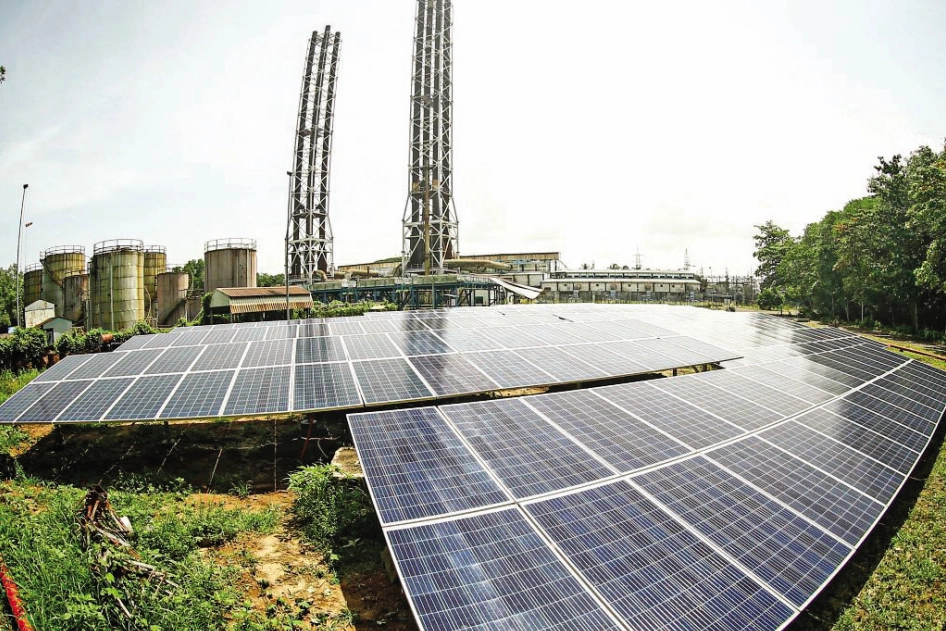
Thiruvananthapuram: The Centre is moving to impose restrictions on solar producers. Rules will be amended to empower state regulatory commissions to limit the use of profitable net metering and levy a special charge. A draft of this has been released. A battery storage system has also been made mandatory, with the limit left to the commissions to decide.
The amendment supports the solar electricity generation rules issued by Kerala's regulatory commission, which have been stayed by the High Court. Once implemented, current profits will fall for many sections of solar producers, and electricity bills will rise.
The draft also states that the grievance redressal mechanism for electricity-related complaints must be strengthened.
- Special charge for profitable net metering
- Battery storage required above 10 kW
- Solar plants can be installed in other nearby locations rather than only on rooftops.
- Plants can be set up with a generation capacity exceeding the sanctioned load.
- Time-of-Day (ToD) tariffs with varying rates across different periods will apply to everyone above 10 kilowatts from April 1, 2028.
- If a consumer's electricity bill rises fivefold or falls to one-fifth of the usual amount, the distribution company must review and resolve it on its own initiative.
Special rate after crossing the limit
Solar producers currently receive bills under the net metering system. They can draw electricity from the grid at night equivalent to the solar electricity generated during the day, paying only for excess consumption.
Electricity lines (the grid) are used both to feed in electricity from solar producers and to draw electricity at night. This also causes transmission and distribution losses. Taking that cost into account, a special rate must be charged for consumption above a limit fixed by the commission. This must be implemented from April 1, 2027.
While the Kerala commission decided that those with plants above 10 kilowatts must store 10 per cent of the electricity they generate using batteries, the Central rule requires making it mandatory to store up to 20 per cent for those above this limit. This is to be implemented on April 1, 2028. The draft rule has been left open for states' views.