Slapping, running and more: Can gaming Delhi protests boost awareness or reduce dissent to scores?
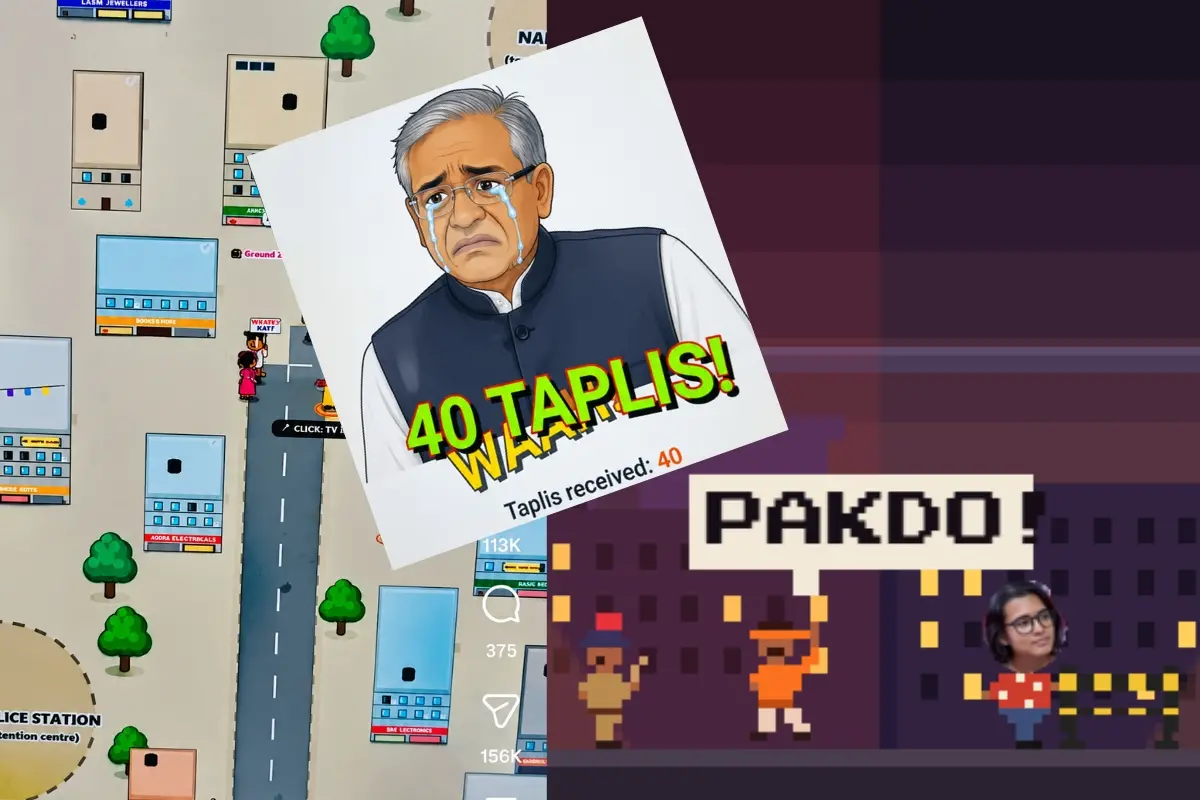
Recent political demonstrations in Delhi against Chief Election Commissioner Gyanesh Kumar have expanded from physical avenues to digital screens. Following public marches organized by student groups and political movements such as the Cockroach Janta Party, independent creators have designed free online video games inspired by actual capital demonstrations. These digital titles allow players to manage march logistics, dodge law enforcement, and participate in political satire.
From Delhi streets to digital screens
In the game Jantar Mantar Chalo, users can play as either a demonstrator or police personnel. Demonstrators increase their power by gathering larger crowds while facing virtual obstacles like tear gas, water cannons, and police detentions across landmarks such as India Gate and the Badarpur border. Developed in thirty-six hours using artificial intelligence by 27-year-old tech enthusiast Suraj Kushwah, the title logged thousands of concurrent players after reels circulated on social media.
Another release, Bhaag Neha Bhaag, was built by brothers Anav and Akshay Nayar of Wizloop Studios. Inspired by student leader Neha Bora's repeated detentions while trying to reach protest sites, players guide a running avatar jumping over barricades and police cars while collecting items marked for democracy.
The creators also produced Jantar Mantar to Jail, where players evade falling jail bars to collect democracy and accountability coins. Additionally, a satirical game named Digital Tapli allows users to tap a caricature of Chief Election Commissioner Gyanesh Kumar, recording scores on a public leaderboard.
How digital protest gamification works
Gamification translates real-world civic dissent into interactive digital systems. Rather than attending street rallies, participants earn points, complete virtual side missions, or gather symbolic tokens on digital displays. Historical precedents show that Hong Kong activists used gaming terms and Telegram groups to coordinate ground movements, while broader social movements have long employed mini-games to bypass digital censorship. By turning political suppression into interactive software, creators frame street developments as shareable media that maintains public focus on social issues.
Weighing the advantages and risks
Gamified protest offers tactical advantages alongside noticeable challenges. On the positive side, web games enable citizens to circumvent road closures, transport suspensions, and police checkpoints during physical assembly bans. They engage younger audiences through sharp parody, while building media literacy and empathy by exposing users to the obstacles faced by activists.
Conversely, media analysts warn of an infotainment trap, where grave societal issues risk being reduced to superficial scoring exercises. Gamified mechanics can also fuel algorithmic polarization by rewarding engagement-driven conflict. Digital entry thresholds also create exclusion, empowering tech-literate groups while leaving less connected populations behind