‘Emergency came at a cost’: Tharoor’s warning against authoritarianism raises questions for Congress
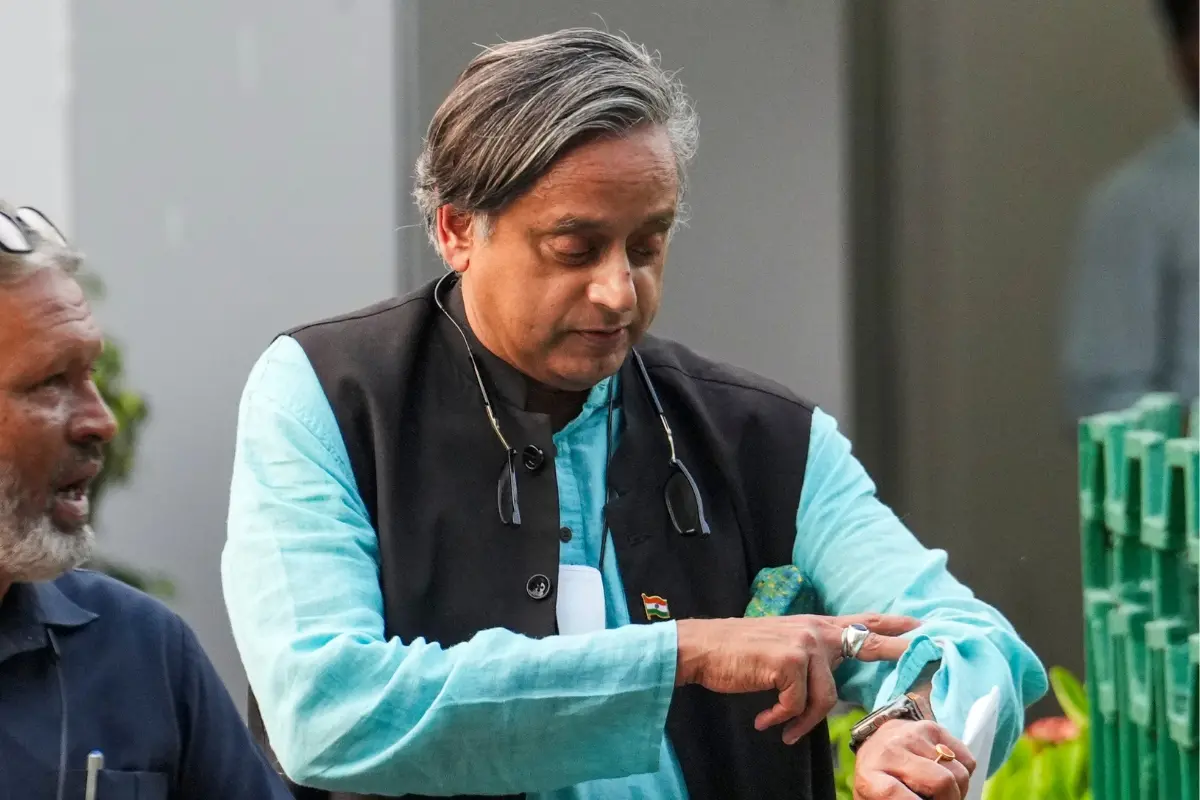
Marking 50 years since the imposition of the Emergency, Congress MP and CWC member Shashi Tharoor has penned a searing reflection on the atrocities committed during the period from June 25, 1975 to March 21, 1977.
Writing in Malayalam and English newspapers, Tharoor described the era as one where democracy was subverted and authoritarianism prevailed.
He noted that the suspension of fundamental rights for nearly 21 months, suppression of political dissent, and muzzling of the press represented a grave breakdown of constitutional promises. “The world’s largest democracy held its breath,” he wrote, emphasising that these actions left a lasting scar on Indian political and civic life.
Tharoor specifically pointed to the forced sterilisation campaigns led by Sanjay Gandhi, describing them as brutal exercises conducted in rural areas using coercion and violence. In urban areas, particularly New Delhi, slum demolitions displaced thousands without any consideration for their welfare. These were acts of cruelty disguised as measures of discipline and order, he noted.
How does Tharoor frame the Emergency’s legacy?
While some later sought to downplay the period's excesses, Tharoor contended that the Emergency represented a collapse of constitutional democracy. He argued that any sense of order achieved came at the cost of the Republic’s moral core. The judiciary’s initial failures, although eventually corrected, revealed the vulnerability of democratic institutions when power remains unchecked.
Tharoor warned that while India today is stronger and more self-confident, the temptations that led to the Emergency—such as the desire to centralise power or silence dissent—can still surface, often in the guise of national interest or stability. “The Emergency stands as a strong warning,” he wrote, calling on all citizens to remain vigilant and committed to protecting democracy.
Tharoor concluded that the Emergency should not be remembered merely as a dark chapter but as a profound lesson in the need for democratic resilience. “Democracy is not something to be taken lightly,” he said. “It is a precious legacy that must be constantly nurtured and preserved.”
(With PTI inputs)