Delhi riots conspiracy case: Why Sharjeel Imam and Umar Khalid have moved fresh bail pleas
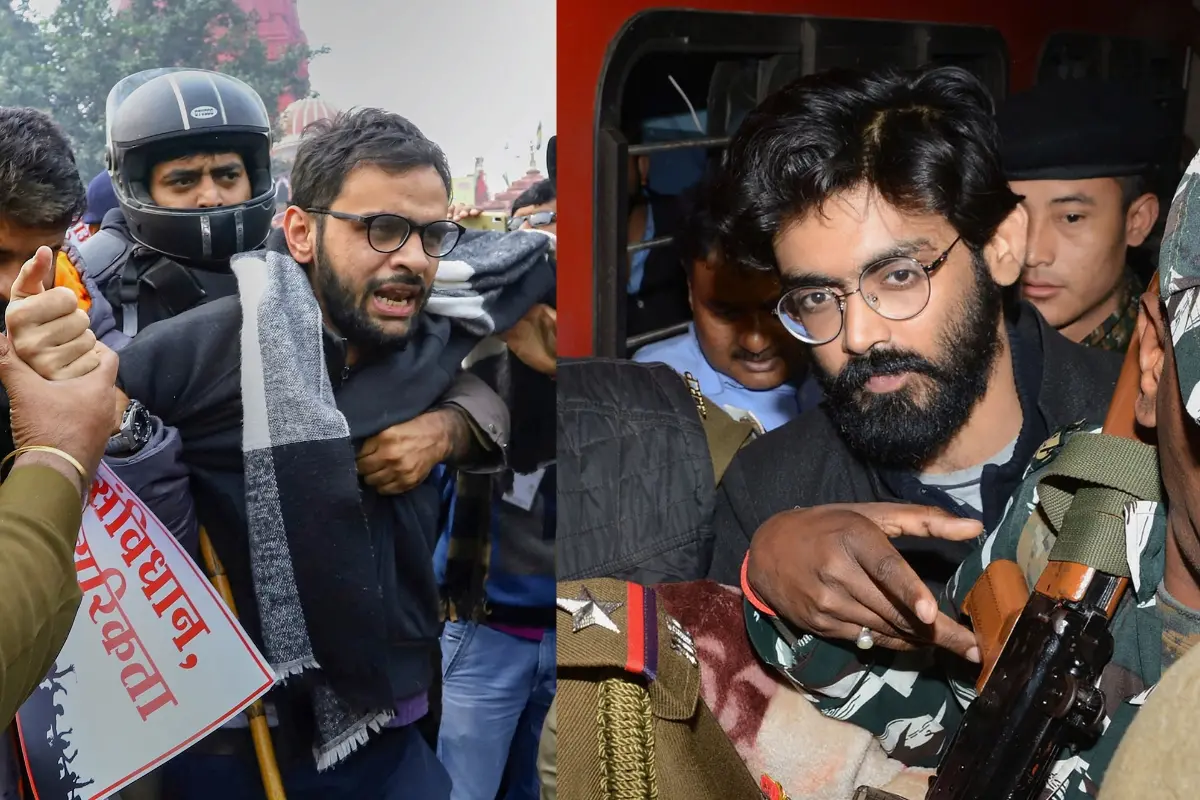
New Delhi: Sharjeel Imam and Umar Khalid have filed fresh bail applications before a Delhi court in the 2020 Delhi riots larger conspiracy case.
The court has issued notice to the Delhi Police and sought its response, marking the latest development in a long-running legal process under India’s stringent anti-terror law framework.
Case background: What the matter is about
The case arises from the protest violence that took place in northeast Delhi in February 2020, which resulted in multiple deaths and widespread destruction of property. The prosecution has alleged that the violence was part of a larger, pre-planned conspiracy.
The investigation in this matter has been conducted under the Unlawful Activities (Prevention) Act (UAPA), along with several other penal provisions. The UAPA is India’s primary anti-terror legislation and imposes stricter bail conditions compared to ordinary criminal law.
Sharjeel Imam and Umar Khalid, both activists and former students, are among several accused in the case. They have consistently denied the allegations against them.
Latest court proceedings
On Saturday, the Delhi court took up the fresh bail applications filed by both accused. After hearing initial submissions, the court issued notice to the Delhi Police, directing it to file a response to the pleas.
The matter has now been listed for further hearing on 4 July. At this stage, the court has not ruled on the merits of the bail applications and has only sought the prosecution’s stand.
Both applications were taken up together as they relate to the same case file and similar legal arguments concerning prolonged incarceration and delay in trial.
Grounds cited in fresh bail pleas
In his plea, Sharjeel Imam has argued that there has been no meaningful progress in the trial despite the passage of significant time. He has stated that:
He has been in custody for nearly six years in the case
Proceedings related to framing of charges are still not complete
Continued detention amounts to prolonged incarceration without trial conclusion
Umar Khalid has also sought regular bail on similar grounds before the trial court, citing delay in proceedings and continued custody.
The defence arguments broadly focus on the principle that prolonged incarceration without conclusion of trial should be considered while deciding bail, even under stringent laws.
Previous bail decisions and Supreme Court position
Both accused have previously approached higher courts, including the Supreme Court, seeking bail.
Earlier rejection of bail
The Supreme Court earlier rejected their bail applications, observing that the prosecution material disclosed prima facie grounds sufficient to attract restrictions under Section 43D(5) of the UAPA. Under this provision, bail can be denied if the court believes the allegations appear prima facie true based on available material.
The court’s earlier view meant that the statutory bar under UAPA was applicable, making bail difficult at that stage of proceedings.
Other accused and differing outcomes
While bail was denied to Sharjeel Imam and Umar Khalid in earlier proceedings, the Supreme Court granted bail to five other accused in the same case:
- Gulfisha Fatima
- Meeran Haider
- Shifa Ur Rehman
- Mohd Saleem Khan
- Shadab Ahmed
This indicated that bail outcomes in the case have varied depending on individual roles, allegations, and assessment of evidence.
Recent Supreme Court developments on trial delay
In later proceedings, the Supreme Court granted six months’ interim bail to two accused — Tasleem Ahmed and Khalid Saifi — noting prolonged incarceration and the likelihood that the trial would not conclude soon.
At the same time, the court referred a larger legal question to a bigger bench regarding whether prolonged incarceration and trial delays can justify bail even under restrictive provisions like Section 43D(5) of the UAPA.
This referral came after differing interpretations by various Supreme Court benches regarding the precedent set in Union of India vs K.A. Najeeb, which deals with bail in cases involving long delays in trial.
Legal context: UAPA bail standards
Under the UAPA, bail is significantly harder to obtain compared to regular criminal cases. Section 43D(5) restricts bail if the court finds reasonable grounds to believe the accusations are prima facie true.
This creates a higher threshold for accused persons, particularly in cases involving allegations of terrorism or conspiracy, where courts often rely on the prosecution’s initial material before granting relief.
Current status and next hearing
At present:
- The Delhi court has only issued notice to the Delhi Police
- The prosecution has been asked to respond to the fresh bail pleas
- The next hearing is scheduled for 4 July
- Both Sharjeel Imam and Umar Khalid remain in judicial custody
No decision has yet been made on whether bail will be granted or rejected in this latest round of applications.
The fresh bail applications mark another chapter in a complex and ongoing legal battle linked to the 2020 Delhi riots conspiracy case. The proceedings continue to revolve around key legal questions involving prolonged incarceration, trial delays, and the strict bail framework under the UAPA, with the court now awaiting the Delhi Police’s response before proceeding further.