Swami Avimukteshwaranand calls Magh Mela notice ‘insulting’, alleges false affidavit
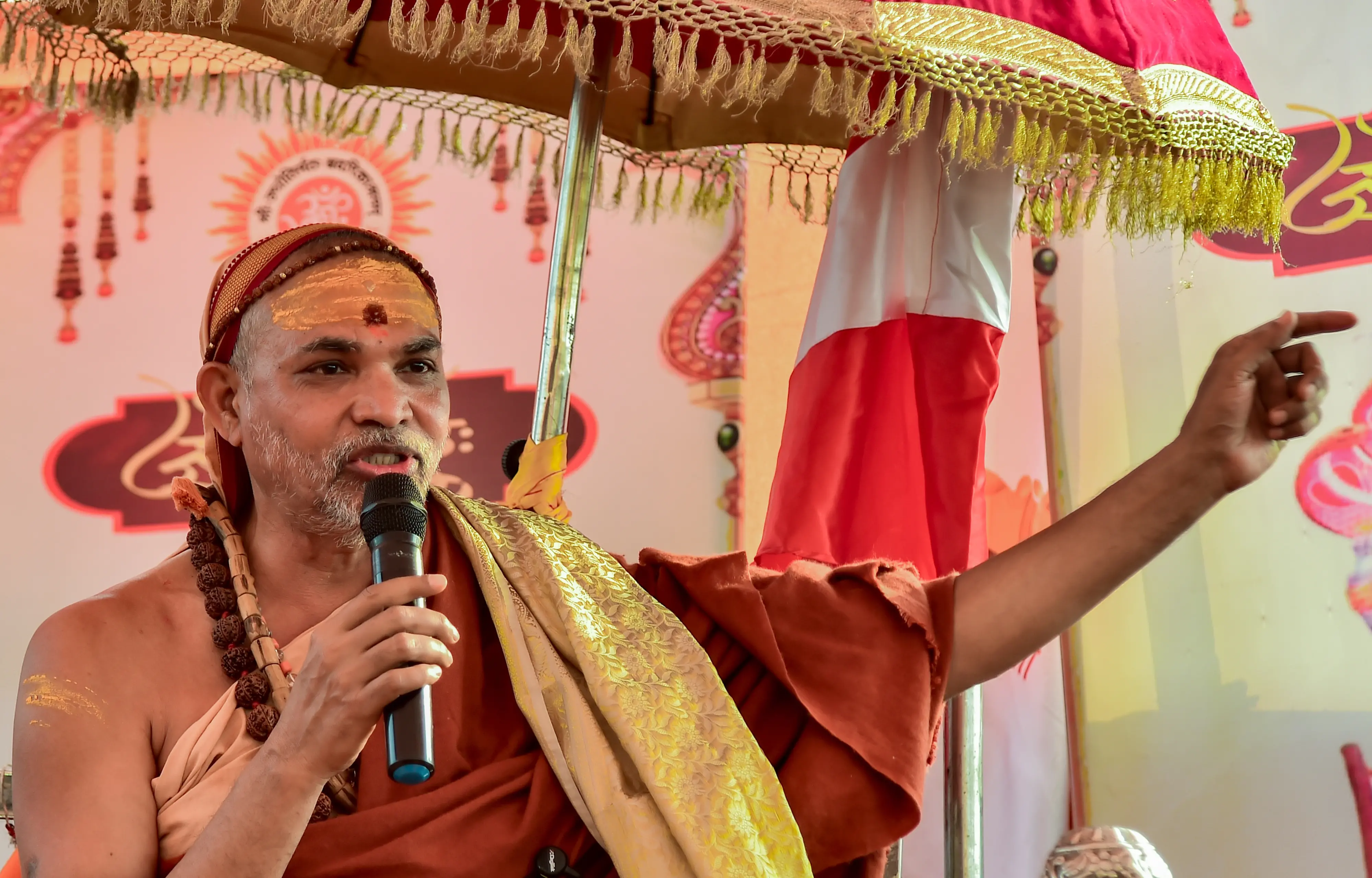
Uttar Pradesh: Swami Avimukteshwaranand Saraswati has hit back at the Prayagraj Magh Mela administration after it questioned his use of the title ‘Shankaracharya’, warning that he will initiate legal proceedings for contempt of court and file a defamation case if the notice is not withdrawn.
The tensions escalated during the Mauni Amavasya celebrations on Sunday, when Swami Avimukteshwaranand and his followers claimed they were prevented from taking a holy dip at the Sangam by police, who allegedly “assaulted” his disciples.
In his eight-page reply to the Mela Authority, Swami Avimukteshwaranand described the notice as “insulting” and alleged it was an attempt to interfere with the faith of followers. His legal team, led by Supreme Court lawyer PN Mishra, argued that the notice amounted to contempt of the Supreme Court, noting that his coronation had already taken place on 12 October 2022, prior to the court order cited by the administration.
Mishra further alleged that a rival claimant, Swami Vasudevanand Saraswati, had obtained the order through a false affidavit, and a petition has been filed against him.
Background of the dispute
On Tuesday, the Mela Authority issued a notice to Swami Avimukteshwaranand seeking clarification on his claim to the revered title, traditionally reserved for the highest spiritual heads of Sanatana Dharma. Officials cited a Supreme Court order stating that he is not recognised as the Shankaracharya of Jyotir Math, also known as Jyotish Peeth, and requested a response within 24 hours.
The controversy over the spiritual headship of Jyotir Math dates back several decades, with multiple judicial proceedings examined at trial courts, high courts, and the Supreme Court, focusing on issues of eligibility and validity of appointments.
In October 2022, the Supreme Court stayed the coronation of Swami Avimukteshwaranand, but prior orders had already recognised him as Shankaracharya. The matter remains under review in civil appeals before the court.
IANS