Schools, airlines and now courts: Are hoax threats part of a low-cost war on India?
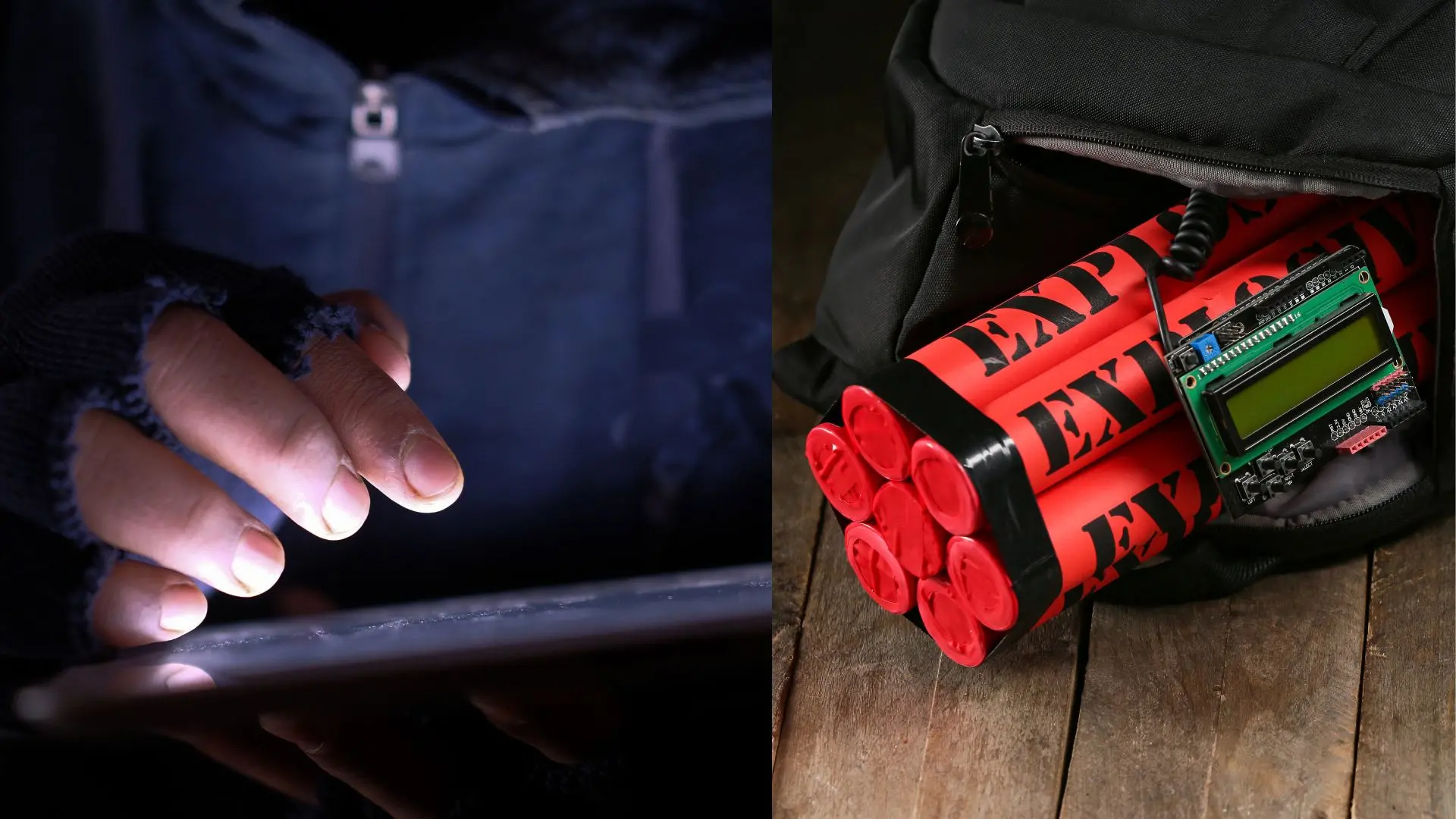
India’s courts are facing a renewed wave of hoax threats, raising security concerns and disrupting judicial work. Investigators say the incidents reflect a broader psychological pressure campaign, similar to earlier hoaxes targeting schools and airlines, aimed at spreading fear while inflicting economic and operational costs.
Officials investigating the latest cases say the threats are not isolated but appear coordinated to keep the public anxious. Intelligence agencies have warned that international players may be involved in what they describe as a low-cost operation capable of causing significant disruption.
Even when authorities suspect a hoax, strict safety protocols require full checks before normal operations resume. This has caused repeated interruptions, especially when courts or schools receive threats.
Agencies believe recent messages directed at the judiciary may come from criminal elements seeking to intimidate courts handling cases against their members. Officials do not rule out involvement by the underworld or Khalistani elements.
Past incidents and extremist links
Similar waves of threats were reported around five years ago in Karnataka, Kerala and Tamil Nadu. Investigators then linked the activity to the Base Movement, described as affiliated with Al-Qaeda.
Authorities said the aim was to pressure judges over cases involving Abdul Madani, accused in the 2008 Bengaluru serial blasts case.
Economic impact and ongoing investigations
Hoax calls have risen in recent months. In 2024 alone, airlines recorded 79 bomb hoaxes, leading to delays, emergency landings and financial losses running into crores of rupees.
Investigators say a covert dark-web network may be orchestrating some calls to spread panic and trigger economic damage. They also note the psychological-operations wing of Inter-Services Intelligence is known to use hoaxes, fake news and propaganda to create alarm remotely.
Officials add that some threats stem from personal motives — for instance, delayed passengers or disgruntled litigants. Yet recent incidents suggest a broader organised effort targeting the judiciary.
Security agencies continue evacuations and checks despite suspecting hoaxes, stressing that no risk can be ignored. The disruptions have cost valuable court time, particularly as the already burdened system faces criticism over case backlogs. Intelligence agencies had earlier flagged possible sustained threats even after the Supreme Court of India delivered the Ram Janmabhoomi verdict.