'Cannot use SIR to deprive people of welfare benefits': SC in Bengal plea
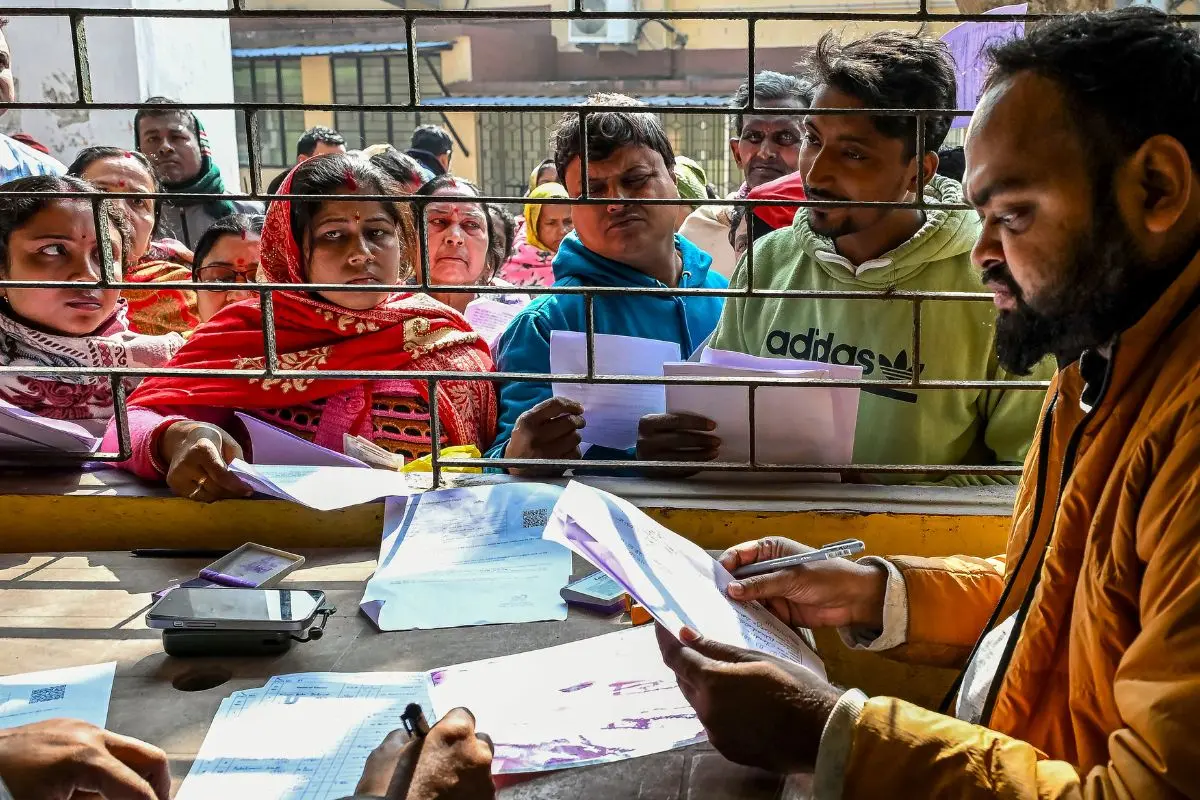
The Supreme Court on Friday observed that the Special Intensive Revision (SIR) of electoral rolls is meant solely for election-related purposes and cannot be treated as a basis for determining citizenship or depriving people of other civil benefits.
The court made the remarks while hearing a petition alleging that the West Bengal government has linked SIR deletions to welfare schemes and caste certification.
A Bench headed by Chief Justice of India Surya Kant, along with Justices Joymalya Bagchi and V Mohana, issued notices to the Election Commission of India, the West Bengal government and the State's Chief Electoral Officer. The matter is likely to be taken up before July 25.
During the hearing, Justice Bagchi referred to the Supreme Court's earlier ruling in the Bihar SIR case, saying the court had already clarified that the outcome of the electoral revision process cannot be used for purposes other than elections.
He noted that questions relating to citizenship fall within the jurisdiction of the government under the Citizenship Act and not the Election Commission.
The petition, filed by West Bengal Pradesh Congress Committee SIR committee chairperson Prasenjit Bose, claims that the State government issued multiple orders directing authorities to act against people whose names were removed from the electoral rolls.
According to the plea, these directions affected beneficiaries of women's welfare and food security schemes and also triggered re-verification of Backward Caste certificates.
Senior advocate Gopal Sankaranarayanan, appearing for the petitioner, argued that such measures have far-reaching consequences beyond voting rights.
He also raised concerns over the functioning of the SIR appellate process, pointing out that only around 38,000 appeals have been decided despite nearly 34 lakh appeals being filed.
He told the court that roughly 70 per cent of the disposed appeals resulted in the restoration of names to the electoral rolls.
The petition urged the court to direct authorities to improve transparency in the appeal mechanism by publishing standard operating procedures, making tribunal orders publicly available and ensuring time-bound disposal of cases.
It also sought simpler documentation requirements and greater legal assistance, particularly for economically weaker and rural citizens, arguing that the absence of clear procedures makes it difficult for excluded voters to challenge their removal.
Taking note of the issues raised, the Supreme Court agreed to hear the matter at an early date.