When will new polymer ₹10, ₹20 notes come? Government clears field trials
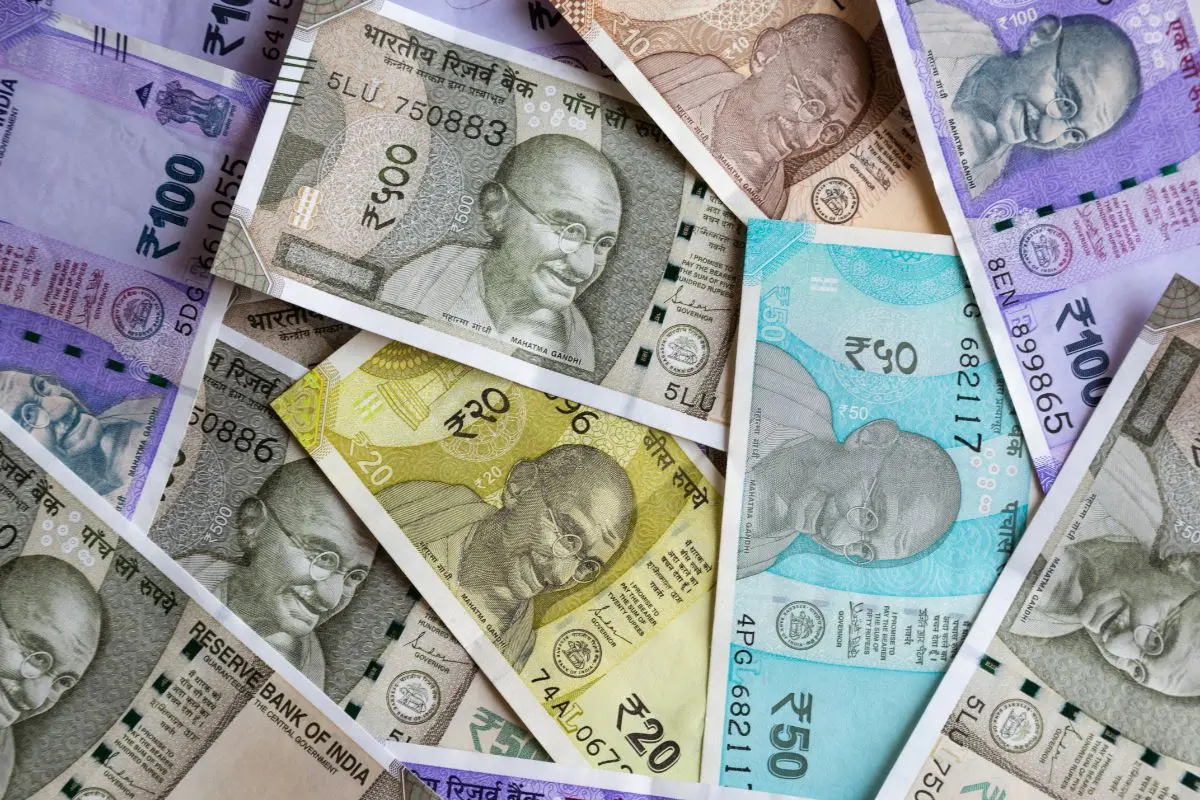
New ₹10 and ₹20 notes could soon look very different. The government has approved field trials of polymer banknotes in the two denominations, opening the way for India to test a new type of currency alongside its existing paper-based notes.
The Reserve Bank of India (RBI) has proposed one billion polymer notes each of ₹10 and ₹20 for the trials. If the trials are successful, polymer notes in these denominations could subsequently be issued regularly.
But the new notes are not arriving just yet.
When will polymer ₹10 and ₹20 notes come?
The RBI's procurement process is currently at an initial stage, Finance Minister Nirmala Sitharaman told the Rajya Sabha in a written reply on Tuesday.
This means there is no confirmed date yet for when the polymer ₹10 and ₹20 notes will enter circulation. The government also cannot determine the likely expenditure on the new notes at this stage.
The proposed polymer currency will also not immediately replace the existing paper notes. According to the RBI, the polymer notes are planned to be issued alongside paper substrate-based banknotes.
The proposal was sent by the RBI to the government on the recommendation of its central board under Section 25 of the Reserve Bank of India Act, 1934. The government has now approved it for field trials.
Government also highlights inflation measures
Sitharaman's reply also addressed retail inflation and measures taken by the government to contain price pressures.
Average CPI inflation declined from 5.4 per cent in 2023-24 to 4.6 per cent in 2024-25, before falling further to 2.1 per cent in 2025-26.
Inflation rose to 3.9 per cent in the first quarter of 2026-27, which the Finance Minister attributed to the commodity price shock, elevated global energy prices linked to the West Asia crisis, seasonal increases in vegetable prices and expected unfavourable El Nino conditions.
Despite the increase, she said retail inflation remained below the RBI's 4 per cent target.
The government also pointed to GST rate rationalisation, customs duty changes and reductions in duties on certain essential commodities as measures aimed at containing price pressures.
It also highlighted the exemption of annual incomes up to ₹12 lakh from income tax, or ₹12.75 lakh for salaried individuals after the standard deduction.
With PTI inputs