Why the flag is unfurled on Republic Day and hoisted on Independence Day
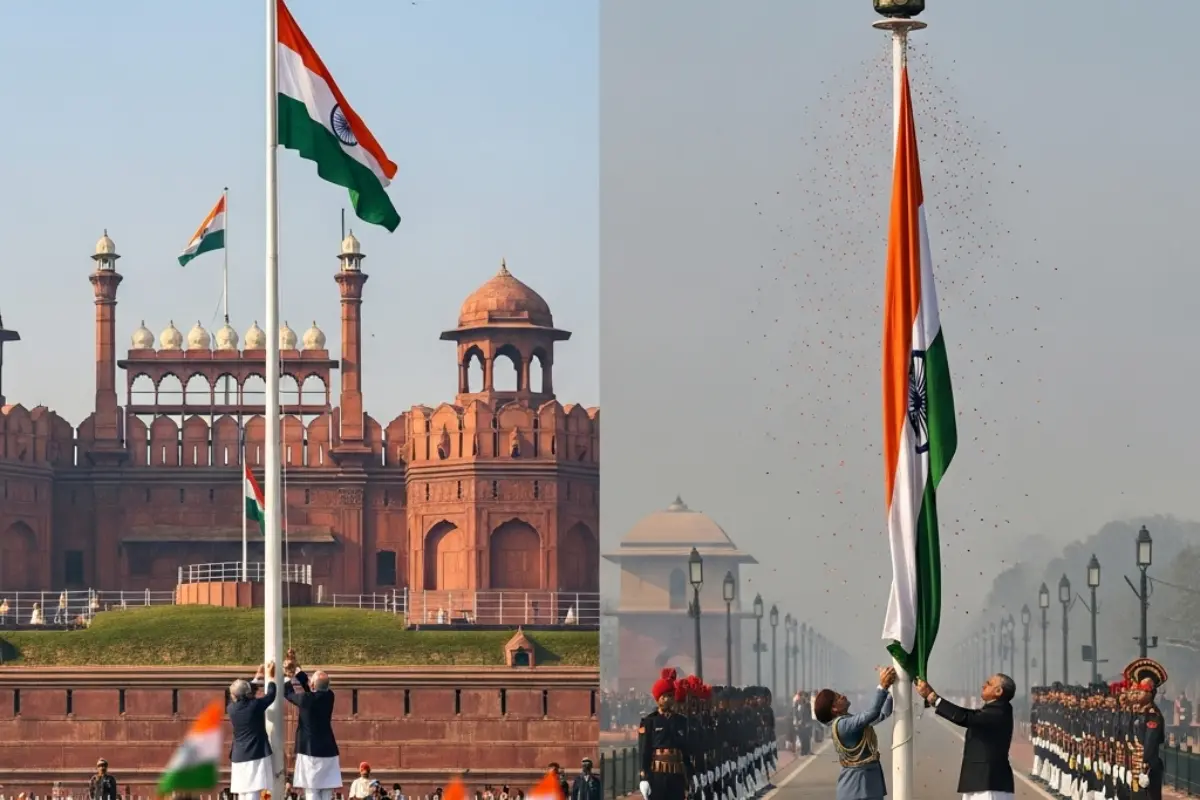
India’s national flag is honoured in two distinct ways on its two most important national days. While the Tricolour is hoisted on Independence Day, it is unfurled on Republic Day — a difference rooted in history, symbolism and constitutional meaning.
Every year, India honours its national flag on two historic days — Independence Day on August 15 and Republic Day on January 26. While both celebrations centre on the Tricolour, the manner in which the flag is honoured is different: it is hoisted on Independence Day and unfurled on Republic Day. This distinction is not ceremonial coincidence but a deeply symbolic tradition rooted in India’s journey from colonial rule to a constitutional democracy.
Why the Tricolour is hoisted on Independence Day
On August 15, India commemorates its freedom from British colonial rule in 1947. The flag is hoisted, meaning it is raised from the bottom of the flagpole to the top.
This act symbolises the nation’s rise from colonial subjugation to independence. The ceremony reflects the struggle and sacrifices of the freedom movement and represents the people’s victory after decades of resistance.
The Prime Minister hoists the flag at the Red Fort in New Delhi, highlighting the role of the people’s leadership in achieving independence. The upward movement of the flag mirrors India’s journey towards sovereignty.
Why the Tricolour is unfurled on Republic Day
On January 26, India marks the day its Constitution came into force in 1950, officially becoming a republic. On this day, the flag is unfurled, not raised.
The Tricolour is already positioned at the top of the flagpole and is opened by pulling a cord, often accompanied by flower petals. This symbolises the unveiling of India’s constitutional framework and democratic ideals rather than a struggle.
The President of India, as the constitutional head of the state, unfurls the flag at Kartavya Path, underscoring the supremacy of the Constitution.
The deeper symbolism behind the two ceremonies
- Hoisting represents freedom won through struggle and sacrifice
- Unfurling represents the establishment of democracy and rule of law
- Prime Minister on Independence Day symbolises leadership emerging from the people
- President on Republic Day symbolises the authority of the Constitution
Together, the two ceremonies reflect different but equally important milestones in India’s nation-building journey.
Why this distinction matters in 2026
As India celebrates its 77th Republic Day in 2026, these traditions serve as reminders that independence marked the beginning of self-rule, while the Constitution laid the foundation for governance, rights and responsibilities.
In a diverse and evolving society, the Tricolour continues to unite citizens beyond politics, language or region.
Flag Code reminder
Citizens hoisting the national flag must follow the Flag Code of India, 2002, which mandates proper display, dignity and respect for the Tricolour at all times.