Why did FSSAI want Red Bull to drop the ‘energy drink’ label?
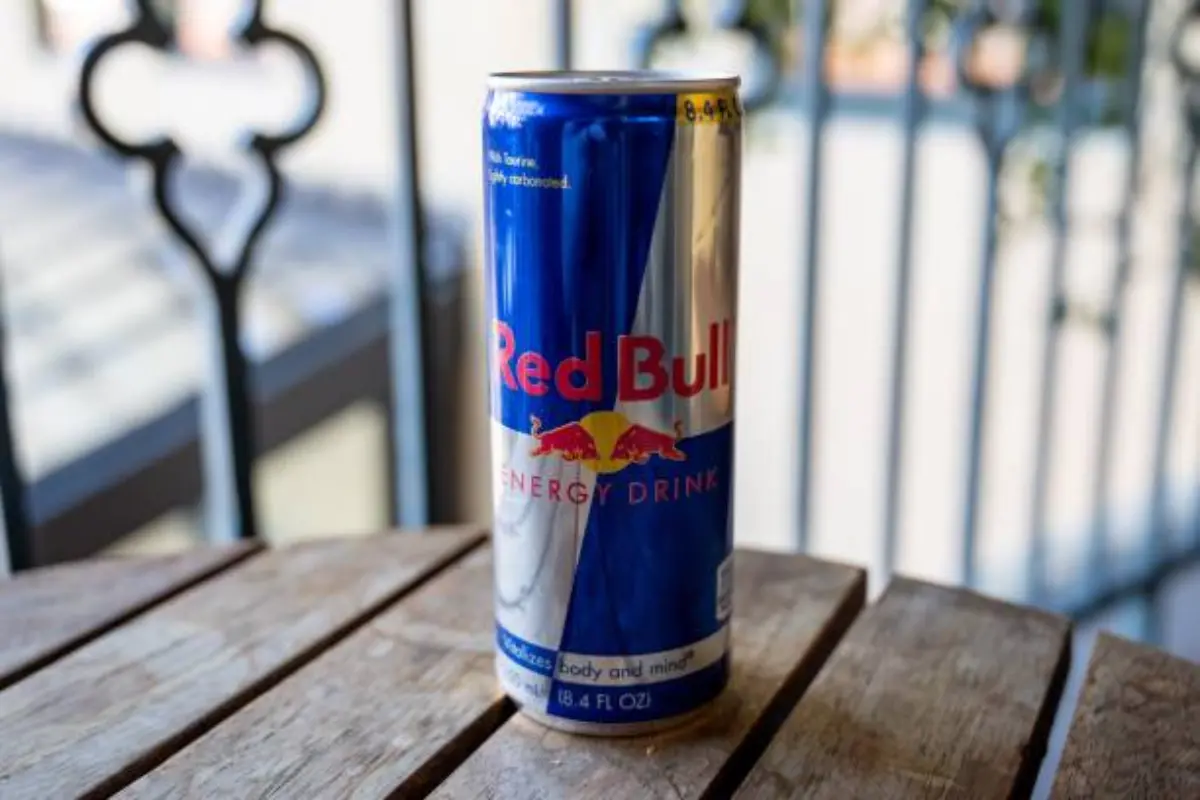
Red Bull has won a legal challenge against India’s food regulator after the Delhi High Court quashed an FSSAI order restricting the company from describing its product as an “energy drink”. The ruling sets aside the immediate labelling restriction but does not establish that energy drinks are healthier or safer.
Red Bull has challenged India’s food regulator over restrictions on using the term “energy drink” on its products, with the Delhi High Court on September 29 quashing the FSSAI order against the descriptor.
Red Bull India had approached the court on September 25, arguing that the Food Safety and Standards Authority of India (FSSAI) introduced the prohibition without providing prior notice or an opportunity for the company to present its case.
The company also argued that the measure created uncertainty for its business and affected existing and planned investments in India.
Why did FSSAI object to ‘energy drink’?
The dispute centres on how high-caffeine beverages are classified under Indian food regulations.
FSSAI's position has been that Indian regulations recognise such products as caffeinated beverages, rather than establishing a separate standardised category called “energy drinks”.
The regulator has also raised concerns that the phrase “energy drink” could give consumers the impression that the product provides a special form of energy or additional health benefits.
Caffeine and sugar content have also been part of the regulator's concerns, particularly in relation to younger consumers and other potentially vulnerable groups.
What does the Delhi High Court ruling mean?
The court's decision means the specific FSSAI directive preventing Red Bull from using the “energy drink” descriptor has been set aside.
However, the ruling does not mean that Red Bull has been declared healthier or safer, nor does it create a new regulatory category for energy drinks.
Existing food-safety and labelling requirements for caffeinated beverages continue to apply.
Under existing FSSAI standards, carbonated and non-carbonated caffeinated beverages can contain between 145 mg and 300 mg of total caffeine per litre.
The regulations also require specific labelling and include a declaration advising consumers not to consume more than 500 ml of such beverages a day.
Therefore, the court ruling concerns the use of the product descriptor rather than removing the regulatory requirements governing the beverages themselves.
Why is the dispute significant for Red Bull?
Red Bull argued that the prohibition could adversely affect its commercial investments and create uncertainty for its business in India.
The Indian energy drinks market has expanded rapidly in recent years. Euromonitor estimates that retail sales are growing by about 12.6% annually and could reach $1.6 billion by 2028.
Red Bull's India revenue reportedly reached about $130 million in 2024, more than twice its revenue four years earlier.
Other beverage companies, including PepsiCo and Monster Beverage, have also raised concerns about restrictions surrounding the “energy drink” descriptor.
The Delhi High Court's ruling removes the immediate restriction imposed by the challenged FSSAI order against Red Bull.
However, manufacturers still have to comply with India's existing food-safety, caffeine and labelling standards. The broader regulatory debate over how high-caffeine beverages should be described and marketed therefore remains relevant.
The case also highlights the tension between food regulators' concerns over consumer information and health-related claims and beverage companies' arguments about established product descriptions and commercial certainty.