Fact Check: PM Modi crushes rumours of foreign travel tax after panic over news report
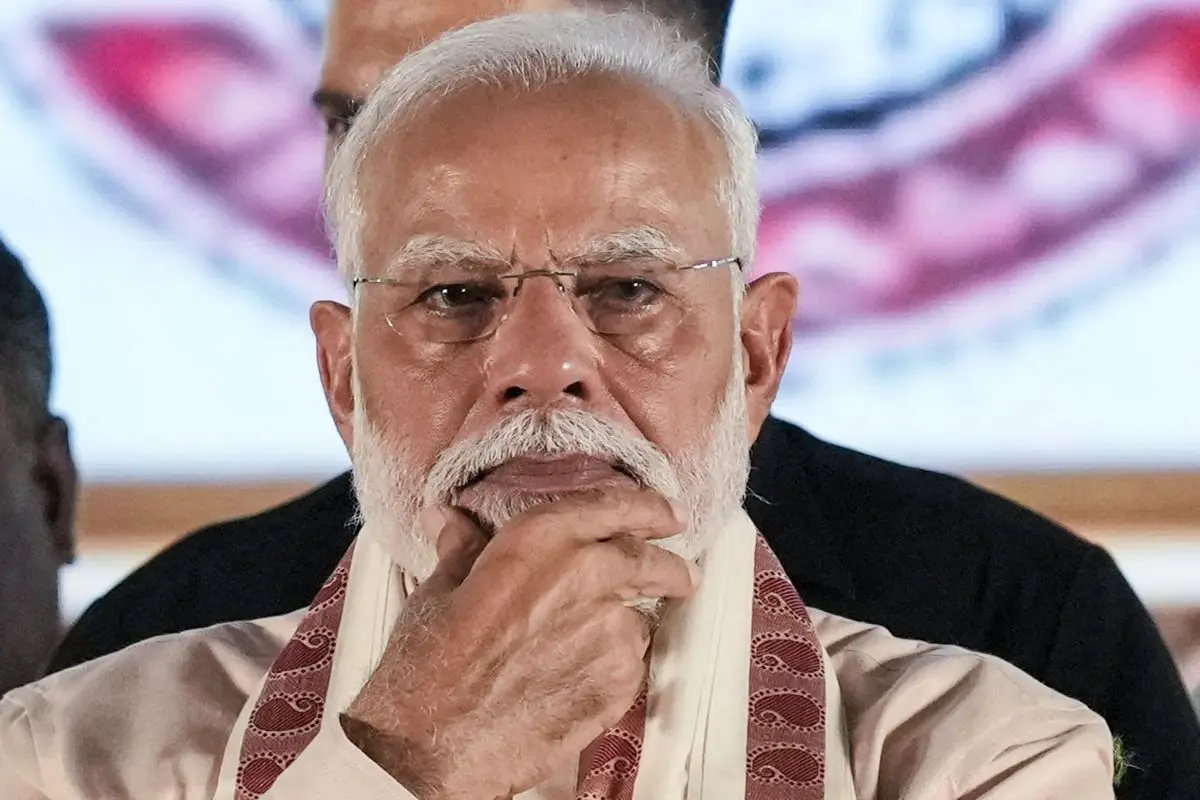
In a rare personal intervention, Prime Minister Narendra Modi on Friday publicly dismissed reports claiming the Centre was considering imposing a tax or surcharge on foreign travel, calling the speculation completely baseless.
The controversy erupted after a report by CNBC-TV18 claimed the government was internally discussing a temporary levy on overseas travel amid mounting fiscal pressure caused by soaring crude oil prices and escalating tensions in West Asia.
The report quickly triggered panic and intense debate online, with many fearing the Centre could impose fresh financial burdens on international travellers at a time of rising inflation and global economic uncertainty.
Breaking his silence swiftly, PM Modi took to X and categorically rejected the claims.
“There is no question of putting such restrictions on foreign travel,” the Prime Minister said, adding that there was “not an iota of truth” in the speculation.
He further stressed that the government remained focused on reducing burdens on citizens and businesses rather than introducing fresh restrictions or taxes.
“We remain committed to improving Ease of Doing Business and Ease of Living for our people,” PM Modi stated.
The Prime Minister’s unusually direct rebuttal appeared aimed at immediately shutting down the growing speculation before it fuelled wider public anxiety.
Soon after Modi’s statement, CNBC-TV18 withdrew the report and admitted the story was inaccurate.
“Our story on government considering tax/cess on foreign travel is not accurate. We withdraw the story and regret the error,” the channel said in a post on X.
The episode comes amid heightened concerns over rising global crude prices following continuing instability in West Asia.
India, which imports over 85 per cent of its crude oil requirements, remains highly vulnerable to disruptions in the international energy market.