PM Modi chairs CCS meet to safeguard India from West Asia war fallout; reviews fuel, energy supplies
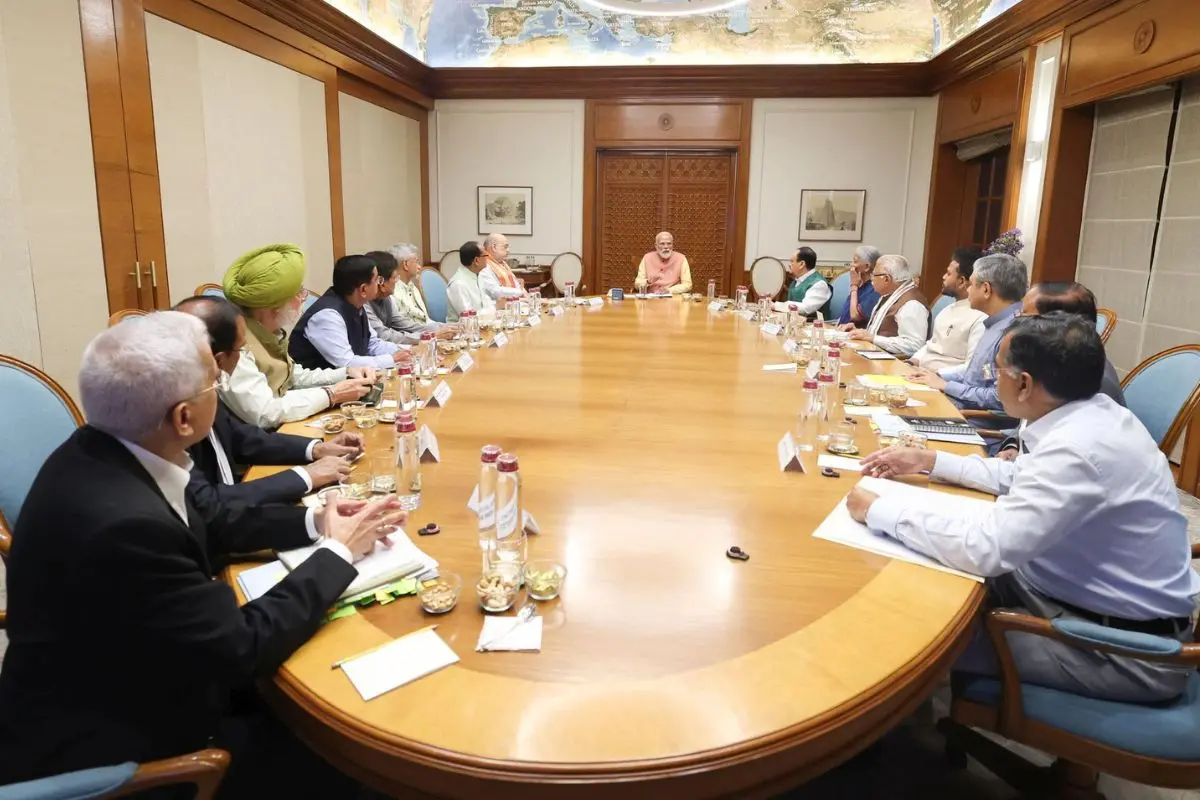
New Delhi: Prime Minister Narendra Modi on Wednesday chaired a meeting of the Cabinet Committee on Security to assess the escalating conflict in West Asia and review its possible impact on India’s security, economy and essential supplies.
It was the second such meeting since tensions spiked on 28 February, following US–Israel airstrikes on Iranian targets and subsequent retaliation, which have disrupted shipping routes, roiled global energy markets and heightened risks around the Strait of Hormuz, a corridor that handles nearly one-fifth of the world’s oil trade.
According to the Prime Minister’s Office, Modi reviewed the availability of key essentials and the government’s readiness to manage potential shocks. He examined the status of LPG and LNG supplies, fuel duty options, coal stocks, and power-sector preparedness to ensure that critical services remain stable in the coming months.
The cabinet secretary briefed the committee on actions taken to secure petroleum supplies, particularly LNG and LPG, and highlighted measures underway to maintain sufficient electricity generation. Officials also detailed steps to keep prices of essential commodities under control, with instructions for strict enforcement against hoarding and black-marketing. Control rooms have been set up for continuous monitoring and coordination with states and union territories under the Essential Commodities Act.
A major focus of the discussion was the availability of fertilisers ahead of the Kharif and Rabi seasons. The PMO said efforts are underway to maintain domestic urea production and coordinate with overseas partners to secure DAP and NPKS shipments. Broader interventions across agriculture, fertilisers, shipping, aviation, logistics and MSMEs were examined to mitigate emerging challenges.
Modi directed that every effort be made to shield citizens from the consequences of the regional crisis and stressed the importance of ensuring a steady flow of accurate information to prevent rumours and misinformation.
The meeting also reviewed the wider macroeconomic situation and considered short-, medium- and long-term strategies to bolster resilience. Officials assessed risks to fuel prices, aviation operations, industrial inputs and supply chains stemming from volatility in West Asia.
External Affairs Minister S. Jaishankar, Defence Minister Rajnath Singh, Home Minister Amit Shah, Finance Minister Nirmala Sitharaman, Petroleum Minister Hardeep Singh Puri, Commerce Minister Piyush Goyal, Agriculture Minister Shivraj Singh Chouhan, and Chemical and Fertilisers Minister J.P. Nadda were among those present. National Security Adviser Ajit Doval, Railway Minister Ashwini Vaishnaw, senior officials and Cabinet Secretary T.V. Somanathan also attended.
The CCS reviewed steps taken so far and discussed longer-term plans to diversify India’s energy basket, strengthen critical supply chains and maintain adequate reserves of essential goods. A similar review was held last week.
India has reiterated its call for restraint, de-escalation and the protection of civilians and critical infrastructure as the conflict continues to unfold. The government’s approach, officials said, is aimed at dampening external shocks while maintaining a balanced diplomatic posture amid an increasingly volatile geopolitical environment.
(With IANS inputs)