Over 1,000 crows dead; Union govt intervenes: How serious is the bird flu situation in Chennai?
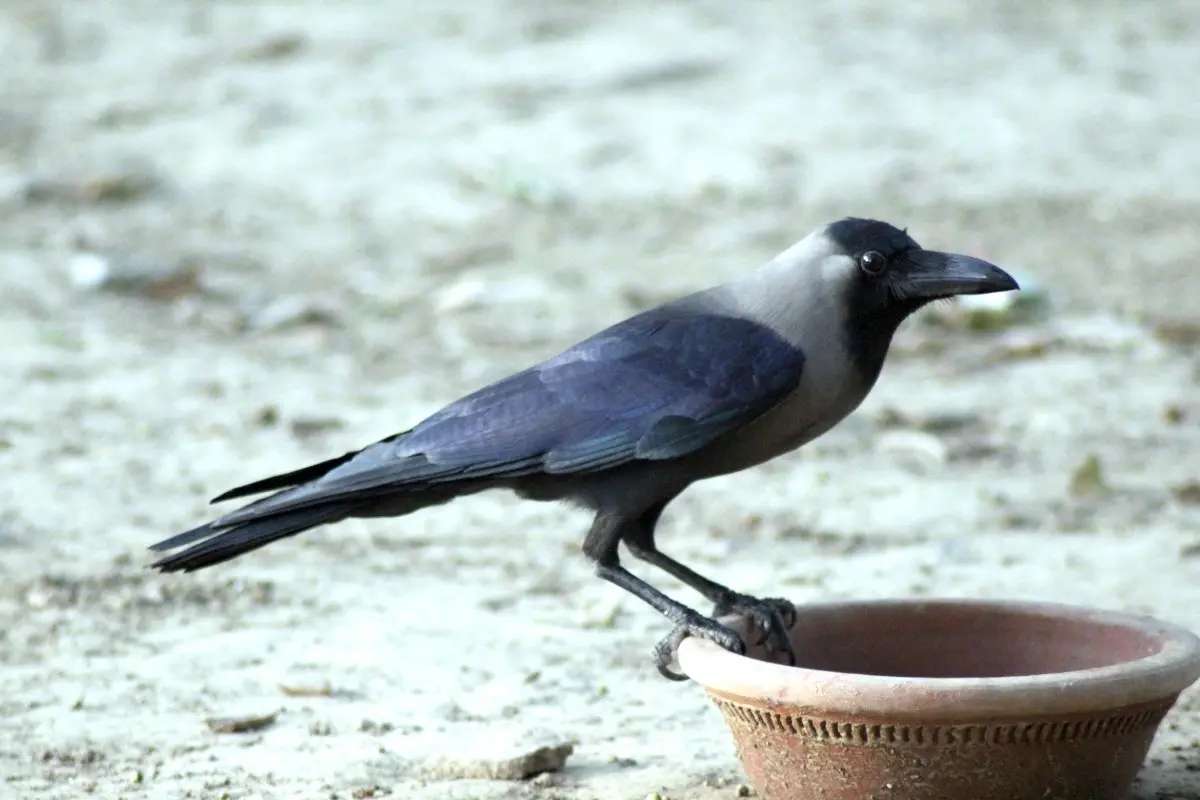
Tamil Nadu is on bird flu alert after a large number of dead crows were found across parts of Chennai and nearby areas, with laboratory tests confirming the presence of the highly pathogenic H5N1 avian influenza virus. Reports indicate around 1,000–1,500 crows have died in recent weeks in localities such as Adyar, Velachery, Thiruvanmiyur and along the East Coast Road. No human infections have been reported in the state.
Crow deaths lead to laboratory confirmation
The crow deaths, first noticed last month, prompted the Tamil Nadu animal husbandry department’s animal disease intelligence unit to collect samples from Chennai and Kanchipuram during the fourth week of January. These samples were sent to the ICAR–National Institute of High Security Animal Diseases laboratory in Bhopal, which confirmed the H5N1 strain.
H5N1 avian influenza is known to circulate naturally among wild birds and can spread to domestic poultry. In rare cases, the virus can infect humans and other mammals. Similar H5N1 detections in crows were recently reported in Darbhanga, Bihar, while cases have also been detected in Kerala.
According to the World Health Organization, 261 human H5N1 infections were reported globally between 2003 and 2024, most of them severe. India has not reported any human cases so far.
Government response and containment steps
Following confirmation of the virus, the Union Ministry of Fisheries, Animal Husbandry and Dairying wrote to the Tamil Nadu chief secretary, urging stronger biosecurity measures and disinfection in areas reporting bird deaths. Civic bodies were asked to intensify surveillance, report unusual bird mortality, monitor poultry closely and alert forest and wildlife departments.
The Tamil Nadu department of animal husbandry ordered enhanced surveillance across the state. Authorities stressed that dead birds must be disposed of safely through burning or burial 8–10 feet deep. Veterinary staff were advised not to conduct field postmortems, with carcasses to be sent to designated regional diagnostic laboratories.
Sanitation workers were instructed to report group deaths of crows, while forest department teams were asked to check wooded areas for wild bird deaths. Officials noted that fewer crow deaths were reported in the past week.
Precautions advised for the public
People have been advised to avoid contact with sick or dead birds and not to handle carcasses with bare hands. Gloves should be used if handling is unavoidable, followed by thorough handwashing with soap and water. Poultry should be kept enclosed to limit contact with wild birds.
Unusual bird deaths should be reported immediately to local authorities. Anyone developing fever, cough, sore throat or breathing difficulty after exposure to birds has been advised to seek medical attention.