November astronomy planner: What to see in the night sky this month
New Delhi: November promises a spectacular lineup of celestial events for astronomy enthusiasts, with dazzling meteor showers, a brilliant supermoon, and notable planetary movements lighting up the night sky throughout the month, according to reports.
The skywatching season begins with the Taurid meteor showers, famous for their slow-moving, bright fireballs that illuminate the heavens. Mid-November will bring the Leonid meteor shower, peaking around November 17–18, offering a vivid display of fast, luminous meteors.
Adding to the excitement, Uranus reaches opposition on November 17, when the distant ice giant will be at its closest and brightest, making it the best time of year for telescope viewing. Meanwhile, Jupiter and Saturn continue to dominate the evening sky, providing clear and captivating views for skygazers.
Meteor showers to watch this November
- Southern Taurids (November 4–5): Known for bright, slow-moving fireballs, with up to 7 meteors per hour.
- Northern Taurids (November 11–12): Expect around 5 meteors per hour, occasionally producing vivid fireballs.
- Leonids (November 17–18): One of the month’s highlights, offering up to 15 meteors per hour under dark skies, thanks to a waning crescent moon.
- Alpha Monocerotids (November 21): Typically modest but capable of rare, spectacular outbursts exceeding 1,000 meteors per hour.
- November Orionids (November 28): Produces faint meteors at a rate of around 3 per hour.
Full beaver supermoon
On November 5, skywatchers will witness the Full Beaver Supermoon, the biggest and brightest full moon of the year. Appearing roughly 8% larger and 16% brighter than usual, it will be an unmissable spectacle for photographers and moon enthusiasts alike.
Planetary events and alignments
- Mercury’s Highest Altitude: In early November, Mercury reaches its highest point in the night sky, visible shortly after sunset.
- Venus and Mercury Conjunction (November 25): The two inner planets will appear close together in the twilight sky.
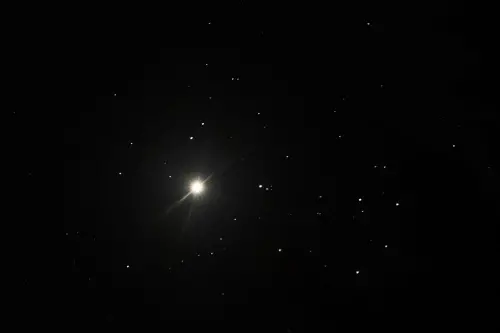
- Uranus at Opposition (November 21): The planet will shine all night near the Pleiades cluster in Taurus, visible through binoculars or small telescopes.
- Saturn’s Ring Plane Crossing (November 23): A rare alignment will cause Saturn’s iconic rings to appear almost invisible from Earth.
With meteor showers, a radiant supermoon, and striking planetary alignments, November 2025 offers a celestial treat for both seasoned astronomers and casual stargazers.