Niyamgiri mining explained: Why Vedanta wants to reopen Odisha’s Bauxite hills
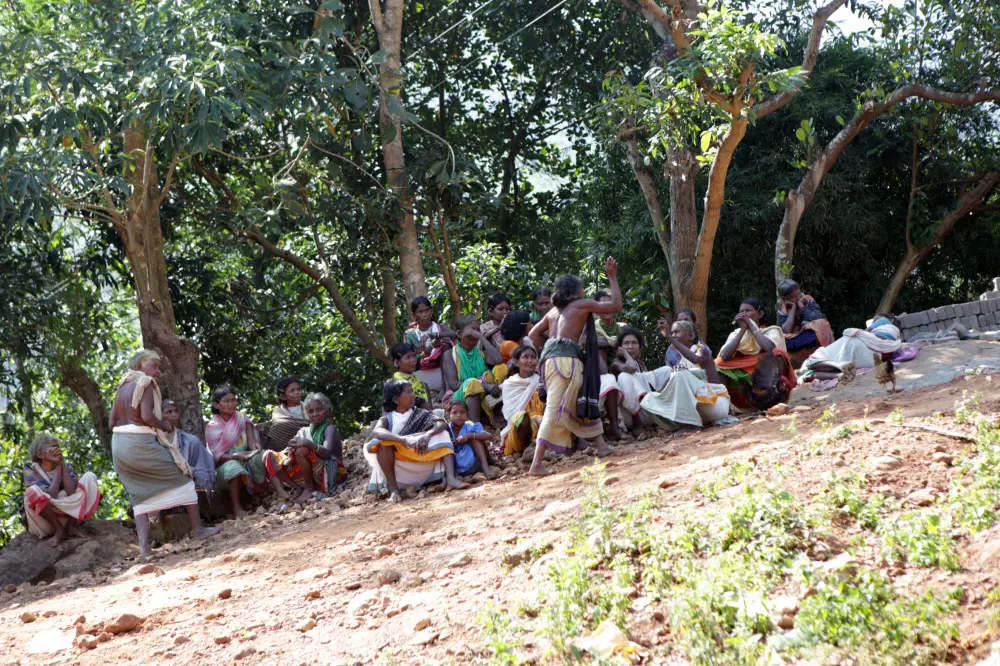
Bhubaneswar: The Niyamgiri Hills in Odisha are once again at the centre of a debate over mining, tribal rights and environmental protection, after Vedanta Group chairman Anil Agarwal sought to revive a bauxite mining project that was shelved following opposition from indigenous communities.
Agarwal’s proposal to reopen the bauxite reserves comes nearly 13 years after the Dongria Kondh community, a Particularly Vulnerable Tribal Group (PVTG), rejected mining in the region through village council resolutions.
What is the Niyamgiri mining project?
The Niyamgiri Hills lie in the districts of Kalahandi and Rayagada in southwestern Odisha. The forested hill range is home to the Dongria Kondh and Kutia Kondh communities and is known for its rich biodiversity, streams and forest ecosystems.
The hills also contain substantial bauxite reserves, estimated at 72 million to 88 million tonnes. Bauxite is the primary raw material used to produce alumina, which is then processed into aluminium.
Vedanta had planned to extract bauxite from Niyamgiri to supply its alumina refinery at the foothills of the hills in Lanjigarh.
The refinery currently relies largely on imported bauxite. The company has also secured mining rights for the Sijimali bauxite mine in Rayagada and the Karlapat mine in Kalahandi.
Agarwal has now called for the Niyamgiri reserves to be opened for mining, saying the company has been assured that the necessary permissions would be granted.
The proposal forms part of Vedanta’s broader investment plans for Odisha, which include a proposed investment of ₹1 lakh crore in aluminium smelters, refineries and power plants.
Why is Niyamgiri important to tribal communities?
For the Dongria Kondh, Niyamgiri is not simply a source of minerals. The hills are central to their religious beliefs, cultural identity and traditional way of life.
The community depends on the forests for its livelihood and regards the hills as sacred.
The region’s forests also support streams and wildlife habitats, making the ecological implications of mining a major concern.
An expert committee headed by NC Saxena, a former Planning Commission secretary, had warned that mining could damage forest ecosystems and threaten the livelihoods and rights of tribal communities.
The committee noted that the proposed mining area was part of the community forest resource and habitat of the Dongria Kondh and Kutia Kondh.
It also warned that mining could damage forest cover, disturb wildlife habitats and affect water sources, including streams linked to the Vamsadhara river system.
What happened in 2013?
The Niyamgiri mining controversy reached a turning point in 2013, when the Supreme Court directed that village councils in the affected areas should decide whether the proposed mining project would infringe upon the religious, cultural and community rights of tribal residents.
The court’s decision recognised the role of Gram Sabhas in determining whether mining would affect rights protected under the Forest Rights Act, 2006.
Following the ruling, village councils in the region rejected the proposed mining project. The decisions were widely regarded as a landmark in India’s environmental and tribal rights debates, placing the authority of local communities at the centre of a major industrial project.
The mining proposal was subsequently shelved, and the Union Environment Ministry imposed a ban on mining in Niyamgiri in 2014.
Vedanta’s argument: Investment and employment
Vedanta has presented the proposed revival as part of a broader industrial development strategy for Odisha.
Agarwal has said reopening the Niyamgiri reserves could create employment opportunities for tribal communities and strengthen the state’s aluminium industry.
The company has also outlined plans for new refineries and other industrial projects, arguing that the investments could generate direct and indirect employment.
The proposed expansion reflects the economic importance of securing domestic bauxite supplies for the aluminium sector.