Your PUC certificate may now last longer: Check the new rules for your vehicle
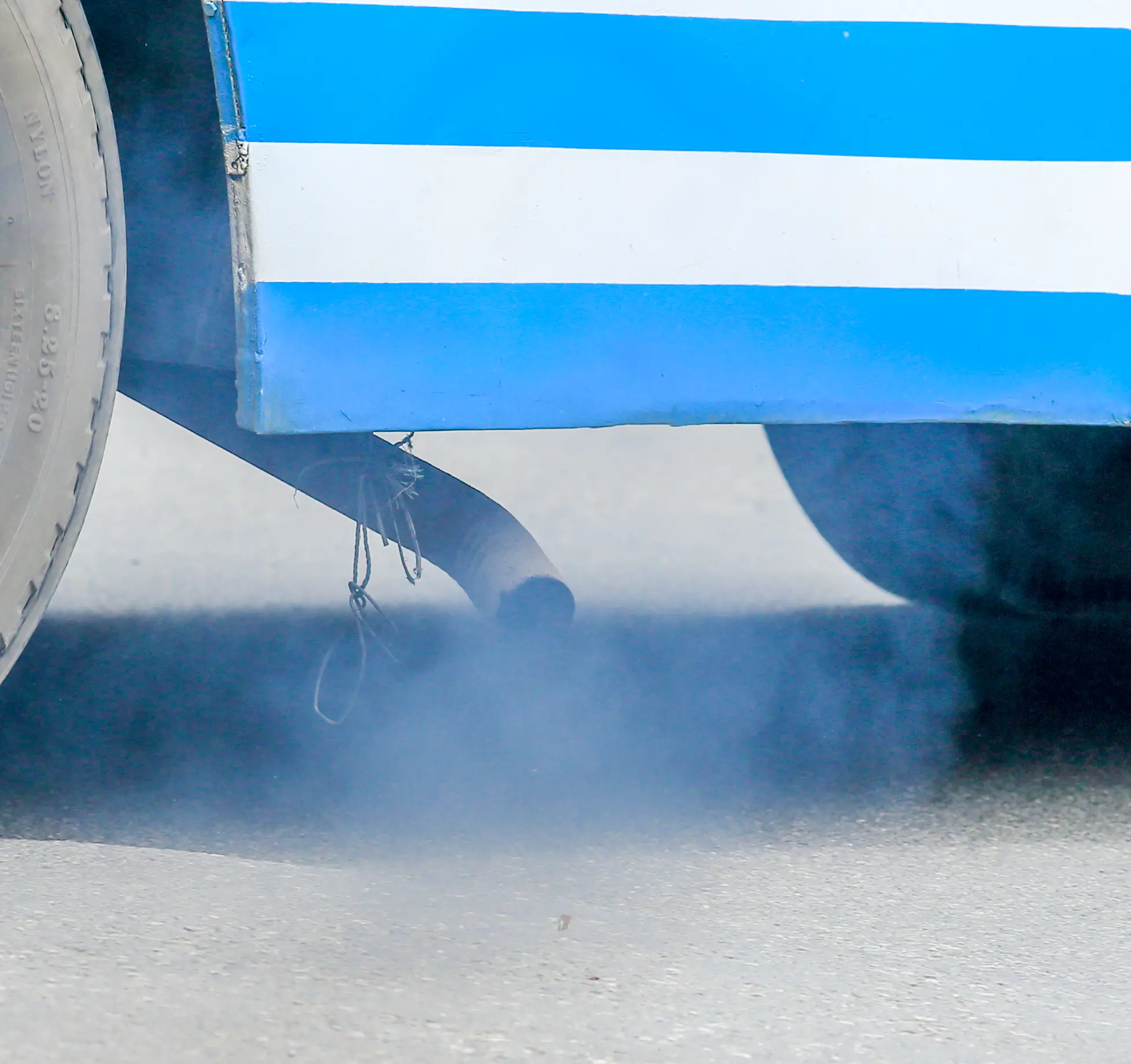
The Ministry of Road Transport and Highways has notified revised rules governing the validity of Pollution Under Control (PUC) certificates, changing how frequently vehicle owners must renew their emissions compliance documents.
The changes have been introduced through the Central Motor Vehicles (Sixteenth Amendment) Rules, 2026, notified in the official Gazette on Thursday. Under the revised provisions, PUC certificate validity will vary according to the vehicle's Bharat Stage (BS) emission standard, age and whether it is classified as a transport or non-transport vehicle.
The revised rules amend Rule 115 of the Central Motor Vehicles Rules, 1989. Every motor vehicle must continue to carry a valid PUC certificate issued or renewed by an agency authorised by the respective state government. The certificate must be produced before designated authorities whenever required.
New PUC certificate validity rules explained
The revised framework provides longer validity periods for newer BS-VI compliant vehicles, while vehicles meeting older emission standards will continue to require more frequent testing.
Here is how often different categories of vehicles will need to renew their PUC certificates:
Vehicle category | PUC certificate validity |
|---|---|
BS-I, BS-II and BS-III vehicles | Every three months |
BS-IV vehicles | Every six months |
BS-VI non-transport vehicles up to six years old | Every three years |
BS-VI non-transport vehicles above six years and up to 10 years old | Every year |
BS-VI non-transport vehicles older than 10 years | Every six months |
BS-VI transport vehicles up to six years old | Every two years |
BS-VI transport vehicles above six years and up to 10 years old | Every year |
BS-VI transport vehicles older than 10 years | Every six months |
BS-VI private vehicles: How long will the PUC certificate remain valid?
For non-transport vehicles complying with BS-VI emission standards, the renewal schedule will depend on the date of first registration.
Vehicles up to six years old will need a PUC renewal once every three years.
Vehicles more than six years old but not exceeding 10 years will need annual renewal.
Vehicles older than 10 years will have to renew their certificates every six months.
This means owners of newer BS-VI private vehicles will have longer intervals between emissions tests compared with those operating older vehicles.
BS-VI transport vehicles have a different renewal schedule
Transport vehicles complying with BS-VI standards will follow a separate schedule.
Vehicles up to six years old will need to renew their PUC certificates once every two years.
Vehicles more than six years old but not exceeding 10 years will require annual renewal.
Vehicles older than 10 years will need to renew their certificates every six months.
The validity period for newer BS-VI transport vehicles is therefore shorter than that prescribed for non-transport vehicles of the same age.
What are the PUC rules for BS-I to BS-IV vehicles?
Vehicles complying with older emission standards will have shorter certificate validity periods under the revised framework.
BS-I, BS-II and BS-III vehicles will have PUC certificates valid for three months.
BS-IV vehicles will have certificates valid for six months.
The revised rules do not provide these older categories with the extended renewal intervals introduced for BS-VI vehicles.
What happens if you renew your PUC certificate before or after expiry?
The notification also clarifies how the effective date of a renewed PUC certificate will be determined.
If a vehicle owner applies for renewal within the 10 days immediately preceding the expiry of the existing certificate, the renewed certificate will take effect from the expiry date of the previous one.
However, if the application is made after the existing certificate has expired, the new certificate will become valid from the actual date of renewal.
This distinction is important because renewing a certificate after its expiry will not allow the vehicle owner to retain the previous certificate's validity period.
Will the new PUC rules apply to existing certificates?
The revised validity provisions will also apply to existing PUC certificates, but only when they come up for their first renewal after the new rules take effect.
The rules will come into force from the date of their publication in the Official Gazette. Vehicle owners should therefore check the applicable renewal schedule when their current certificates are due to expire.
What the revised PUC rules mean for vehicle owners
The new framework introduces a more differentiated approach to pollution testing by linking certificate validity to emission standards, vehicle age and usage category.
Owners of newer BS-VI non-transport vehicles stand to benefit from the longest renewal interval, with certificates valid for three years for vehicles up to six years old. BS-VI transport vehicles in the same age group will have a two-year interval.
However, the shorter renewal periods for older vehicles reflect a different compliance schedule. Vehicles more than 10 years old, regardless of whether they are transport or non-transport BS-VI models, will need testing every six months.
The changes also make the timing of renewal important. Applying within the final 10 days of an existing certificate's validity allows the new certificate to take effect from the previous certificate's expiry date. Applying after expiry means the new validity begins only on the date of renewal.
For vehicle owners, the key step is to identify the vehicle's BS emission category, first registration date and transport classification before calculating the next renewal date. The revised rules do not remove the requirement to carry a valid PUC certificate.