‘Passengers on rooftops’: Chhath train chaos, Lalu-Rahul slam Centre
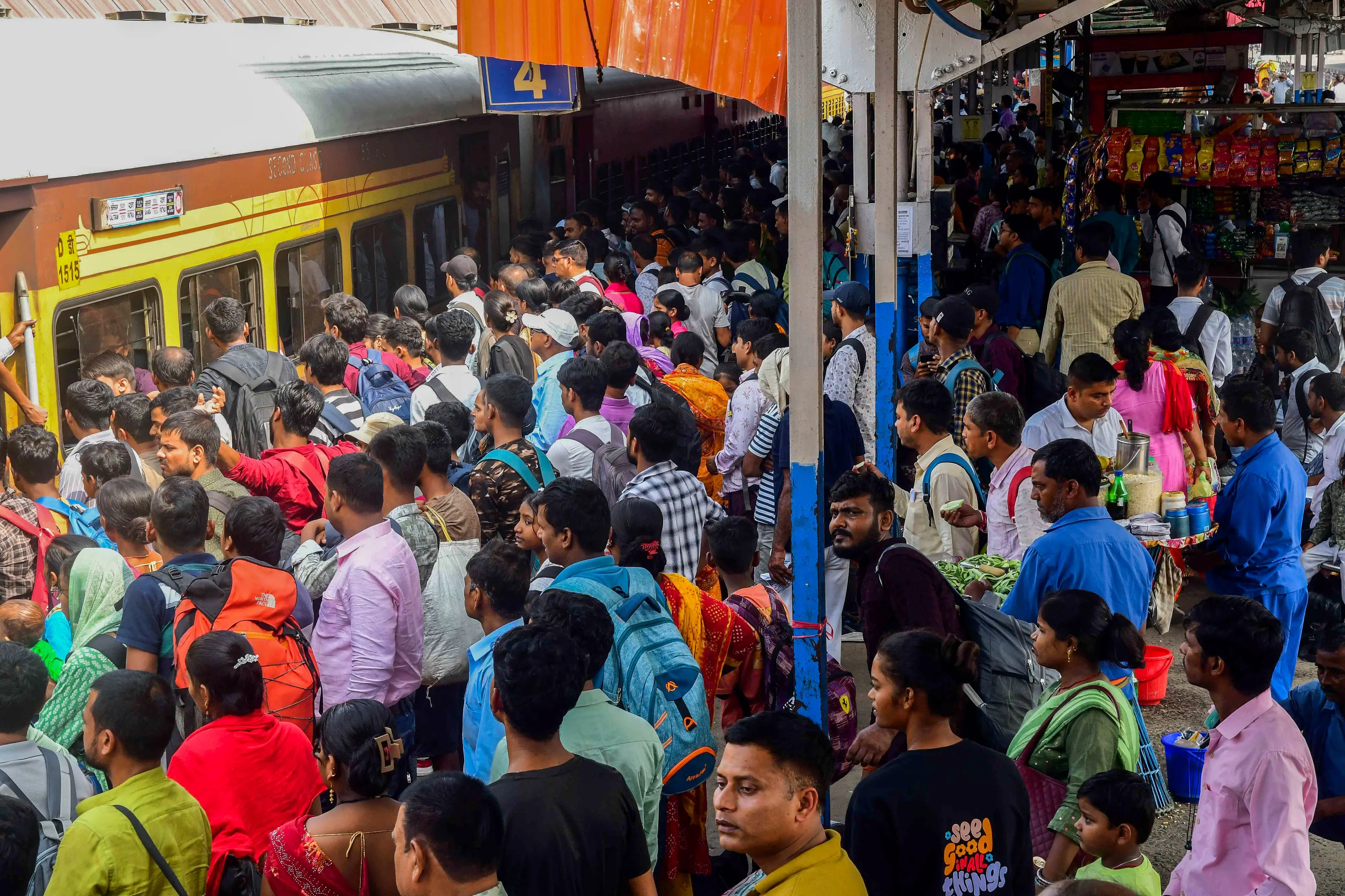
Patna: The four-day Chhath festival began on Saturday, but political tensions surfaced over the operation of special trains for migrant Biharis returning home. Passengers were seen struggling to board heavily crowded trains at stations including Patna, with some travelling in extremely unsafe conditions.
Opposition leaders, including RJD chief Lalu Prasad Yadav and Congress leader Rahul Gandhi, accused the NDA government of failing to provide adequate arrangements. Rahul Gandhi described the conditions as “inhuman” and evidence of the “NDA’s deceitful policies,” noting that some trains were carrying up to 200% of their capacity, with passengers hanging from doors and rooftops.
Lalu Prasad Yadav also criticised the Centre on X (formerly Twitter), saying claims of 12,000 trains for Bihar were false, contrasting them with only 178 special trains operated during RJD’s previous tenure. The BJP countered, stating that 12,075 special trains are being run this year, far surpassing numbers in the past, and accused the Opposition of politicising the festival.
The Congress held a press conference in Patna, calling the arrangements inadequate and highlighting the plight of pilgrims forced to sleep in train toilets.
The Railway Ministry had announced 12,011 special train trips between October 1 and November 30, with an average of 196 special trains operating daily nationwide. In addition, the Bihar government launched 204 special buses from five states for festival travellers, alongside a ₹24 crore fare rebate scheme.
Despite these measures, heavy passenger rush continued to overwhelm trains, with October 18 recorded as the busiest day with nearly 280 trains in operation. Officials acknowledged that while preparations were extensive, the volume of travellers exposed gaps in execution.
The Chhath festival, observed primarily in Bihar, prompts mass migration as migrant workers return home. This year, Indian Railways coordinated with multiple zones to operate over 12,000 special trains between October 1 and November 30. The Centre also approved thousands of buses to facilitate inter-state travel.
Opposition leaders argued that these arrangements remained insufficient, leading to extreme overcrowding and unsafe conditions, and accused the government of failing to ensure passenger safety. BJP leaders defended the initiative, citing historical comparisons and stressing the scale of current operations.
Railway authorities continue monitoring passenger flows and coordinating with local administrations to manage the festival rush. Officials stressed that safety measures, including additional trains, buses, and on-ground support, are being adjusted in real time to reduce inconvenience to travellers.
Overcrowded trains spark political outrage as millions travel for Chhath festival
Over the past decade, the Chhath Puja festival has consistently highlighted the challenges faced by Indian Railways in managing the massive influx of passengers traveling to Bihar and neighboring regions. Despite the introduction of special trains and additional coaches, overcrowding remains a significant issue.
In 2015, as the festival approached, reports emerged of trains being packed beyond capacity, with passengers standing in aisles and hanging from doors. Similar scenes were observed in subsequent years, including 2016 and 2017, prompting the Railways to announce special trains to ease the burden. However, these measures often fell short due to the sheer volume of travelers.
By 2018, the situation had escalated, leading to the implementation of crowd management strategies such as restricting platform ticket sales and deploying additional security personnel. Despite these efforts, overcrowding persisted, with passengers reporting standing in toilets and waiting for extended periods.
In 2020, the COVID-19 pandemic introduced new challenges, including the need for social distancing and health screenings. These measures further complicated the already strained railway services during the festive season.
By 2023, Indian Railways had increased the number of special trains to over 12,000 to accommodate the growing number of passengers. Despite these efforts, overcrowding remained a persistent issue, with reports of passengers standing in aisles and hanging from doors.
In response to ongoing challenges, the Railways have introduced measures such as capping waiting lists to 25% of berth capacity and establishing holding areas at major stations.
Despite these efforts, the recurring issues of overcrowding during the Chhath Puja festival underscore the need for long-term solutions to address the growing demand for rail services during peak travel periods.