UP judge gives 22 death sentences in 4 months; 100 murder cases shifted from his court
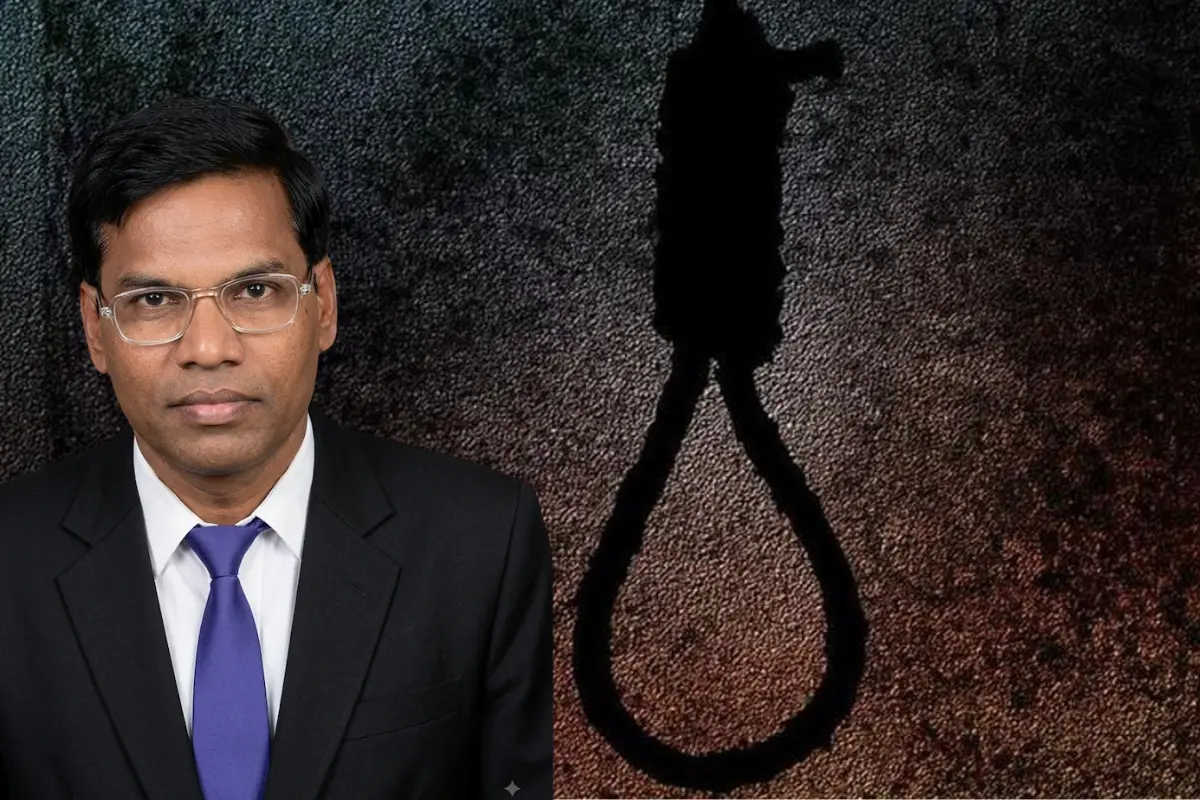
Around 100 murder cases involving offences punishable by death or life imprisonment have been transferred from the court of Additional District and Sessions Judge Ravi Kumar Diwakar in Muzaffarnagar, Uttar Pradesh.
The cases have been moved to the court of District and Sessions Judge Virendra Kumar Singh, according to government counsel cited by PTI. The development comes after Judge Diwakar's court delivered 22 death sentences in 10 cases between April and August 2026.
Why were the cases transferred?
The transfer has drawn attention because of the unusually high number of capital punishment verdicts delivered by the court within a relatively short period.
District Bar Association president Pramod Tyagi said there were apprehensions among lawyers and litigants about the possibility of capital punishment being awarded in cases pending before the court.
The cases transferred involve offences punishable with death or life imprisonment.
The transfer does not overturn or change the death sentences already delivered by Judge Diwakar. It concerns pending cases that were before his court.
ALSO REED | Mehul Choksi’s lawyer arrested in London over sexual assault charges; assistant also charged
22 death sentences in 10 cases
Judge Diwakar's court sentenced 22 people to death in 10 cases during the four-month period.
The cases included the kidnapping and murder of a lawyer, the killing of a home guard while on duty, the murder of a farmer during an attempted robbery, a double murder and cases linked to old rivalries.
- On April 6, three people were sentenced to death for the kidnapping and murder of lawyer Mohammad Sameer in a 2019 case.
- On April 28, a woman and her three sons were sentenced to death in another 2019 murder case.
- On May 20, one person received the death penalty, followed by two death sentences on June 20.
- In July, the court awarded one death sentence on July 2, two on July 6 and four on July 17.
- In August, one person was sentenced to death on August 12, followed by four more on August 13.
Judge Ravi Kumar Diwakar
Judge Ravi Kumar Diwakar has previously been in the news for his judicial orders.
In 2022, while serving as a civil judge in Varanasi, he ordered a videography survey of the Gyanvapi complex.
Diwakar, a resident of Lucknow, began his judicial career as an additional civil judge in Azamgarh in 2009. He later served in Sultanpur and was appointed additional district and sessions judge in Muzaffarnagar in November 2025.
He holds BCom and LLM degrees.
Latest death penalty cases
On August 13, the court sentenced four people to death for the murder of Pawan Kumar in a case dating back to 2014.
According to the prosecution, the accused entered Pawan Kumar's house in Bhabhisa village in Shamli district and opened fire following an old rivalry. Pawan was killed while his brother Ashok Kumar suffered bullet injuries.
On August 12, the court sentenced Shahnawaz to death for the kidnapping and murder of wood trader Saleem in a case dating back to 1999. Saleem was allegedly kidnapped for a ransom of Rs 5 lakh before being killed.
On July 17, four men were sentenced to death for the murder of farmer Raj Singh during an attempted robbery in 2011.
On July 2, a man was sentenced to death for killing home guard Ratiram while he was on duty in 2020. The court held that the case fell under the "rarest of rare" category.
On July 6, a former village head and his associate were sentenced to death for the 2010 murder of Rajbir Singh, with the court again describing the case as falling within the "rarest of rare" category.
Another death sentence involved the 2011 double murder of a woman and her six-year-old son.
ALSO READ | ‘No affection, too much restrictions’: 13-yr-old girl reveals motive for Karuvatta murder
Not every case ended in a death sentence
Judge Diwakar's court has also handed down other punishments.
On August 18, the court sentenced Sukhpal to life imprisonment for murdering his elder brother Tejveer Saini during a land dispute in 2023.
The court also imposed a fine of Rs 1 lakh.
According to the prosecution, Sukhpal ran a tractor over his brother following a dispute over land in Shahpur, Muzaffarnagar.
What happens to the transferred cases?
The approximately 100 pending cases will now be heard by District and Sessions Judge Virendra Kumar Singh.
The transfer allows proceedings in those cases to continue before another judge. It does not amount to a review or cancellation of the verdicts already delivered by Judge Diwakar.
Death sentences handed down by a sessions court also require confirmation by the High Court before they can be carried out. Convicts have the right to challenge their convictions and sentences through the appellate process.
The main reason the development has attracted attention is the unusually large number of death sentences handed down by one court within four months.
The 22 sentences came from 10 different cases involving different crimes and circumstances. They included murders connected to robbery, ransom, personal rivalry and the killing of a person performing public duty.
The transfer of around 100 pending cases follows concerns expressed by members of the local Bar Association and litigants about the possibility of capital punishment.
However, the transfer should not be interpreted as a finding that Judge Diwakar's previous death sentences were legally incorrect. Those verdicts remain subject to the established appellate process.
The cases also highlight the legal safeguards surrounding capital punishment in India. A trial court's decision to impose the death penalty must be examined by a High Court before the sentence can be carried out.