Mumbai CNG crisis: Where to find fuel, what’s shut, what your options are
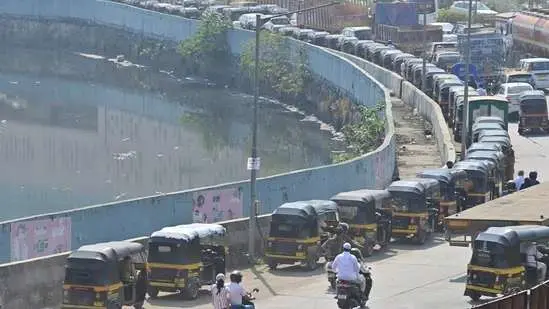
Mumbai’s streets are facing yet another transport pinch as the Mahanagar Gas Limited (MGL) network struggles with a sudden CNG supply disruption that has left dozens of refuelling stations dry and caused widespread havoc in the city’s auto-rickshaw, taxi and bus sector.
What’s happening?
On Sunday afternoon, a major feeder pipeline belonging to GAIL (India) Ltd inside the premises of Rashtriya Chemicals & Fertilisers Ltd in Trombay suffered third-party damage.
That line feeds MGL’s City Gate Station at Wadala — a crucial node supplying CNG to Mumbai, Thane and Navi Mumbai. The hit immediately brought pressure in the network down, forcing multiple stations to shut or limit operations.
As of today, only roughly 225 out of 389 CNG stations across the region are operational — about 60 %. Many auto-rickshaw and taxi drivers report wait times of 3-4 hours instead of the usual 15-30 minutes.
Public transport too hasn’t escaped: fleets of CNG-powered buses and autos are off the roads, impacting regular commuters.
When will things get back to normal?
MGL has stated that restoration of full gas supply at the Wadala station is expected by noon on 18 November 2025, after repairs on the pipeline.
However, that doesn’t mean instant return to business-as-usual: even after the supply resumes, stations may take time to ramp up, queues may persist, and availability may remain patchy through the rest of the day and possibly into the week.
If you drive a CNG vehicle or rely on CNG transport in Mumbai, here’s what you should do:
Before setting off, check if your nearest CNG station is operating. Many are still shut or working at reduced capacity.
If you have a dual-fuel vehicle (CNG + petrol), consider switching to petrol for the time being to avoid long delays.
If you rely on an auto-rickshaw or taxi, be prepared for higher fares — many drivers are charging extra because they’re spending more time and fuel to get filled.
For public-transport users: CNG-bus route frequencies may be impacted. Have a backup plan (metro, train or bus) in case your usual route is delayed.
If you must queue for CNG, arrive early, expect 2–4 hours wait, and avoid peak hours if possible.
Stay updated with statements from MGL and the local news for any changes or advisories. If you're planning longer trips, factor in the possibility of unavailability or delays in refuelling along your route.
Why it matters
This isn’t just about one or two stations being offline — autos, taxis, and CNG buses make up a big part of Mumbai’s urban mobility infrastructure. With so many vehicles grounded or delayed, the ripple effect is large: commuters face longer rides, fewer options, and higher costs.
Researchers quoted by business media estimate that around 30-40% of normal volume is affected until full restoration.
Such supply shocks also highlight how vulnerable the fuel-distribution ecosystem can be — despite the best planning, one damaged pipeline can paralyse large parts of a city.
Bottom line
The good news: full supply is expected by midday today (18 Nov) if repairs go according to plan. The less good: “normal” station operations, short queues, and full availability will likely take longer.
If you’re in Mumbai and drive or commute using CNG-based vehicles, plan conservatively: check your stations, consider alternatives, and budget extra time and cost for the immediate term.