Driving licence expired? New Government proposal offers relief
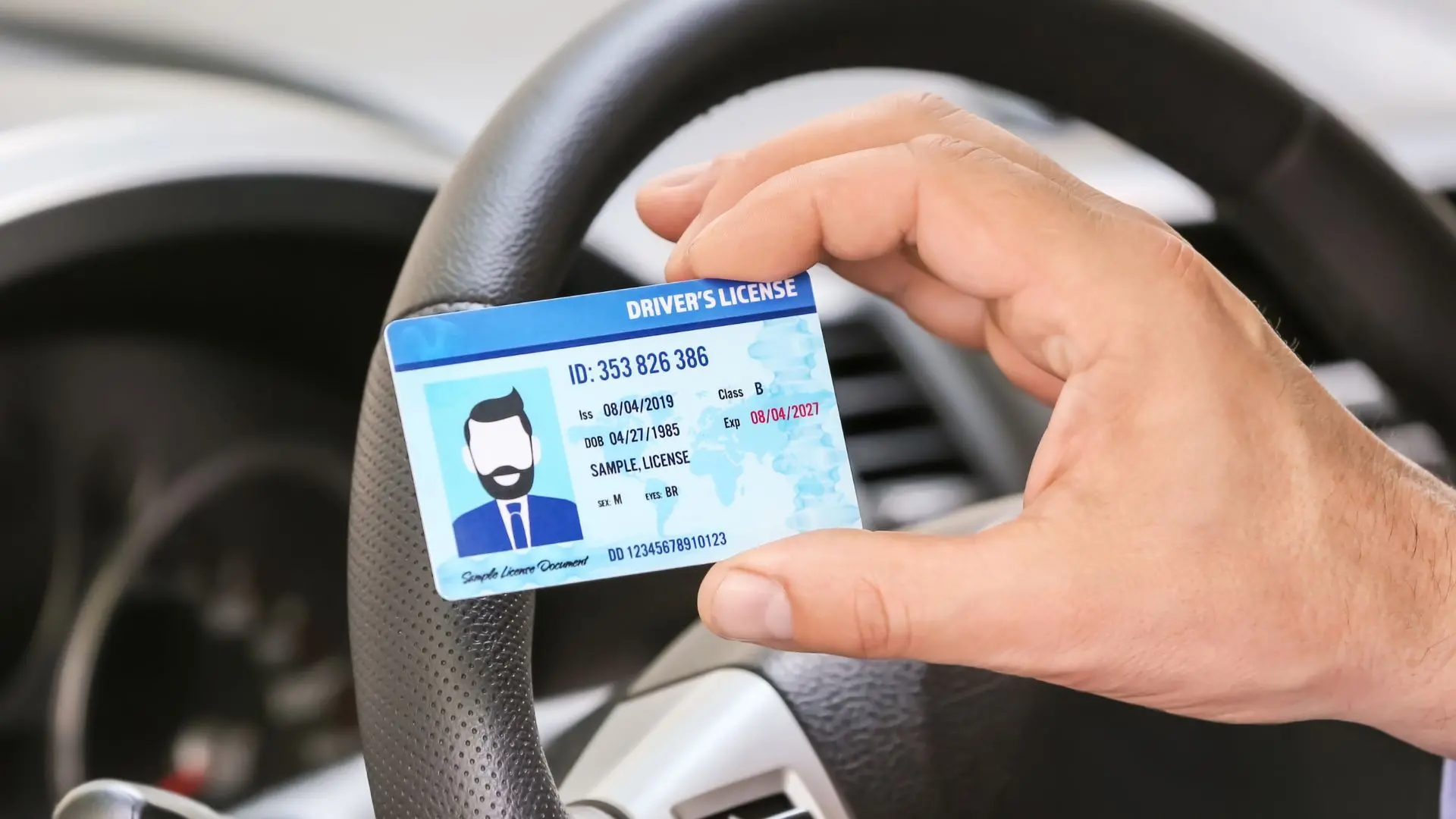
New Delhi: The Centre has proposed a 30-day grace period for expired driving licences, allowing them to remain valid for a month after expiry under amendments to the Motor Vehicles Act, aimed at improving compliance and ease of living.
The proposal is part of the Jan Vishwas (Amendment of Provisions) Bill, 2026, introduced in the Lok Sabha by Minister of State for Commerce and Industry Jitin Prasada.
Key changes to driving licence rules
Under the proposed amendments, a driving licence in India will continue to be valid for 30 days after its expiry, giving motorists additional time to renew without facing penalties.
The bill also suggests that licences renewed after expiry will be valid from the date of renewal, rather than retrospectively from the expiry date.
Additionally, the government has proposed allowing vehicle registration anywhere within a state, instead of restricting it to a specific jurisdiction, simplifying procedures for vehicle owners.
Broader reforms under the Jan Vishwas Bill
The legislation seeks to amend 79 central laws across 23 ministries, covering a total of 784 provisions. Of these, 717 provisions are proposed to be decriminalised to boost ease of doing business, while 67 provisions aim to improve ease of living for citizens.
According to the Ministry of Commerce and Industry, around 20 amendments relate specifically to the Motor Vehicles Act, focusing on reducing compliance burdens and removing legal ambiguities.
Also Read| Centre vs State? Kerala finds loophole to retain 5,500 old vehicles
Extended deadlines and compliance relief
The bill proposes extending key compliance timelines, including:
- Increasing the period for reporting vehicle registration cancellation from 14 days to 30 days.
- Extending the deadline for notifying insurers about the transfer of vehicle insurance certificates from 14 days to 30 days.
Stricter penalties for violations
Changes have also been proposed for hit-and-run compensation rules under Section 161. Violations of government schemes related to compensation may attract penalties ranging from Rs 1 lakh to Rs 5 lakh.
The bill further recommends replacing fines with monetary penalties imposed by regulatory authorities in certain cases, including:
- Travelling without a valid pass (Section 178).
- Operating as agents, canvassers, or aggregators without authorisation (Section 193).
Unlike fines imposed by courts, penalties can be levied directly by regulatory bodies, enabling faster enforcement.
Focus on ease of living and compliance
The proposed reforms aim to streamline motor vehicle rules in India, reduce legal complexities, and enhance road transport compliance, while ensuring stricter enforcement in critical areas.
If passed, the amendments are expected to bring significant changes to driving licence renewal rules, vehicle registration processes, and road safety regulations across the country.
PTI