Mark Zuckerberg should personally apologise for removal of PM’s video: Parliamentary Panel chief
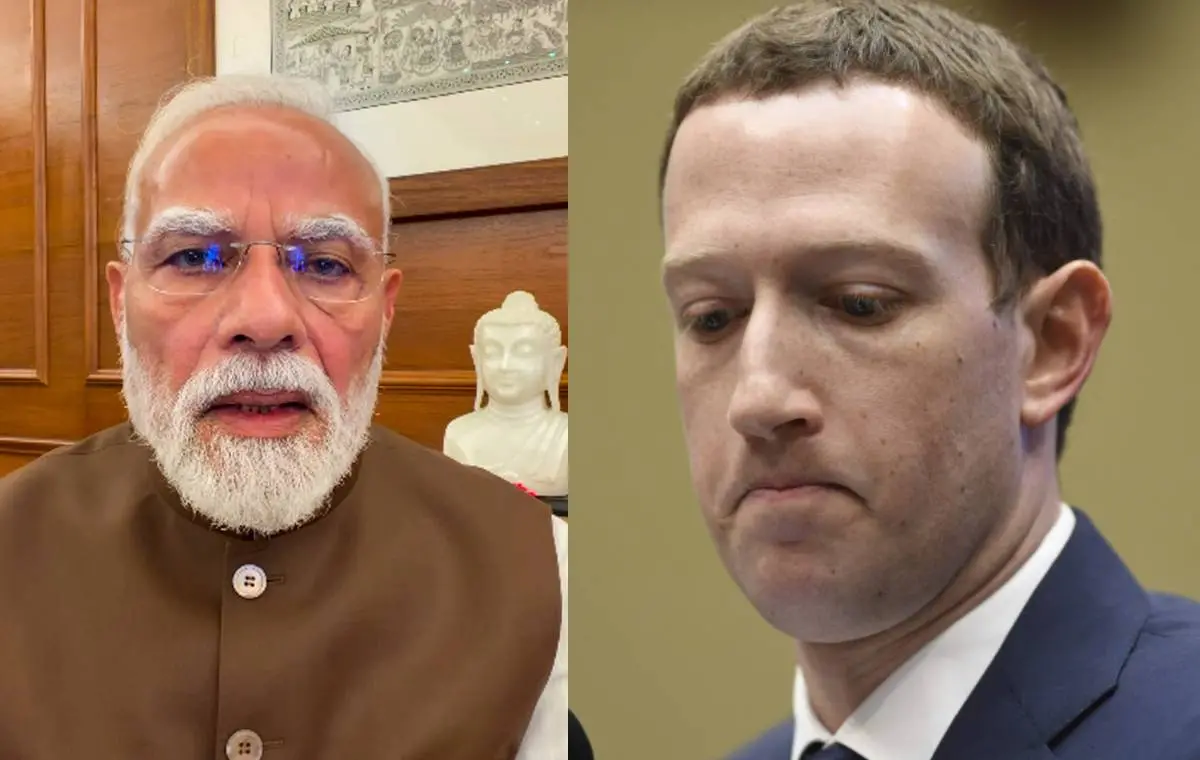
New Delhi: Nishikant Dubey, chairman of the Parliamentary Standing Committee on Information Technology, said on Monday that Meta Chief Executive Officer Mark Zuckerberg should personally tender an apology following the temporary removal of Prime Minister Narendra Modi’s video from Facebook. Meanwhile, several committee members pressed for strict legal action after determining accountability.
However, sources revealed that opposition MPs within the panel emphasised that maintaining space for legitimate dissent on digital platforms is essential, asserting that “anti-government” views must not be categorised as “anti-national”.
Addressing the panel during an extensive three-hour session examining tech executives, Dubey observed that taking down the Prime Minister's official post pointed to either a major system failure or a deliberate attempt by Meta and Instagram to tarnish the Prime Minister's public image.
He highlighted that if the official communication of the country's Prime Minister is subjected to such restrictions, ordinary citizens face even greater uncertainty, asserting that the lapse “cannot be dismissed merely as a technical error”.
“They (Meta) themselves admitted that it (video) was taken down for five hours -- missing from 12.30 at night to 5 in the morning.
“This is a very serious matter and an apology must come from Zuckerberg's side,” Dubey said after an over three-hour meeting of the parliamentary panel during which the MPs questioned the Meta representatives.
The BJP MP warned that if Zuckerberg fails to apologise, the platform’s ‘safe harbour’ immunity under Section 79 of the Information Technology Act, which protects intermediaries from liability over user-generated content, should be revoked.
The parliamentary inquiry follows formal summons issued to Meta executives after Prime Minister Modi's Facebook address regarding NEET examinations and government action against paper leaks was briefly restricted on the platform.
While Meta representatives expressed regret and indicated a readiness to apologise, panel members countered that an apology alone was insufficient and demanded legal consequences once responsibility is established. The committee directed Meta to submit a detailed written explanation within 10 days.
During the proceedings, Dubey alleged a pattern in Meta's actions, “In 2024, Mark Zuckerberg had made objectionable comments on Parliamentary election results. Their mindset is to destabilise the country,” he alleged.
He further noted that global tech corporations often disregard guidelines issued by the Ministry of Electronics and Information Technology (MeitY) and the Ministry of Home Affairs.
Dubey demanded that Meta furnish a comprehensive audit trail tracing the event from the initial report to the video’s eventual restoration, while questioning why account-level enforcement reasons were kept opaque.
Committee members also criticised Meta for profiting heavily from the Indian market while failing to adhere to domestic regulations. They raised concerns over algorithmic bias, pointing out that harmful content remains accessible on the platform while legitimate official content gets taken down.
“Who bears the ultimate responsibility for this?” the sources quoted the panel member as saying.
Although Meta attributed the disruption to an accidental technical error and restored the content, MeitY previously deemed the company's explanation unsatisfactory.
In a democracy, “if a video of the prime minister is not safe, then accountability needs to be fixed,” another panel member was quoted as saying at the meeting on Monday.
The standing committee meeting, convened to deliberate on “Social and Digital platforms and their regulation,” was attended by Union Home Secretary Govind Mohan, MeitY Secretary S Krishnan, and representatives from tech firms including Snapchat, Google, X, Meta and YouTube.
PTI