Remembering Manmohan Singh: How BJP’s CAA contradicts his vision of inclusive refugee rights
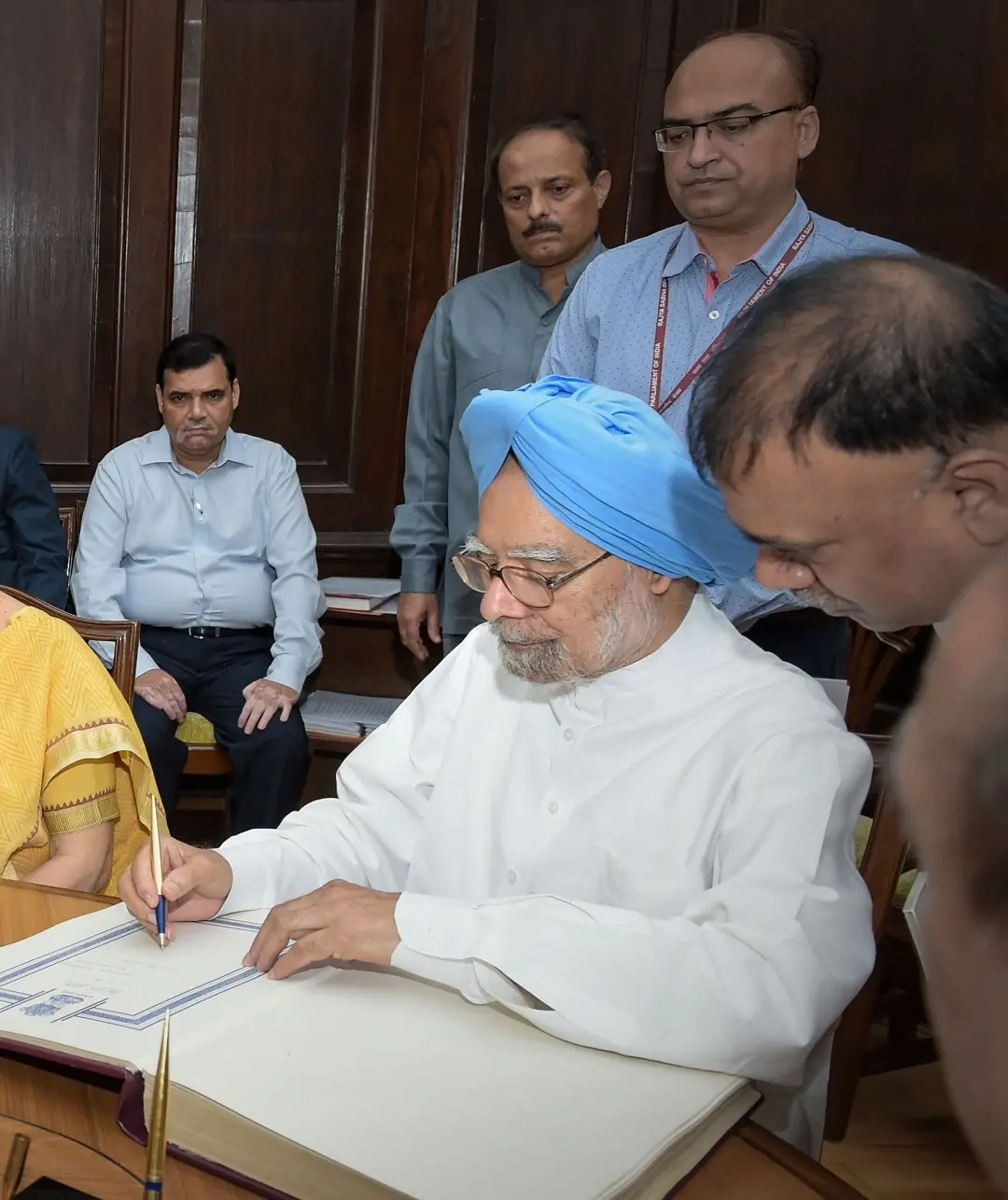
Former Prime Minister Manmohan Singh, who passed away on Friday, had long advocated for a humanitarian approach to refugees, especially those fleeing persecution. His stance on the issue remains a subject of discussion, particularly in light of the ongoing debate over the Citizenship Amendment Act (CAA).
In 2003, during a debate on the Citizenship Amendment Bill (CAB), Dr. Manmohan Singh made a notable intervention. He addressed Deputy Prime Minister L.K. Advani, stating, “After the partition of our country, the minorities in countries like Bangladesh have faced persecution, and it is our moral obligation that if circumstances force... unfortunate people to seek refuge in our country, our approach to granting citizenship to [them] should be more liberal.” His words underscored a humanitarian approach, focusing on the need to offer refuge to persecuted minorities, irrespective of their religion.
BJP Claim and the difference from Singh’s stance
During the 2019 debate on the Citizenship Amendment Act (CAA), BJP Rajya Sabha MP J.P. Nadda referenced Dr. Singh’s 2003 comments, suggesting that the CAA was in line with Singh’s call for granting citizenship to persecuted minorities from Bangladesh. However, a careful comparison of Singh’s remarks and the BJP’s justification for the CAA reveals major differences.
Dr. Singh’s 2003 remarks differed fundamentally from the Citizenship Amendment Act (CAA) introduced in 2019. Singh sought to grant citizenship to refugees fleeing persecution, their demands were rooted in humanitarian principles that did not discriminate based on religion. Singh’s call was to provide refuge to those persecuted, without focusing on whether they were Hindu, Muslim, or any other faith.
In stark contrast, the CAA grants citizenship exclusively to non-Muslim minorities — Hindus, Sikhs, Buddhists, Jains, Parsis, and Christians — from Pakistan, Bangladesh, and Afghanistan. The Act, while stating that these communities have faced religious persecution, excludes Muslim sects from these countries, drawing sharp criticism for its religiously discriminatory nature. Critics argue that this selective approach deviates from the inclusive stance Singh had championed.
Singh’s advocacy was broader in scope, focusing on persecution and refuge, whereas the CAA’s provisions have been seen as limiting the eligibility for citizenship to certain religious communities and specific countries. Notably, the Act excludes persecution in countries like Myanmar and Sri Lanka, where minority groups have similarly faced oppression. This selective approach has raised significant concerns regarding the constitutionality of the law.