Can private libraries solve Manipur’s study crisis? Job seekers find refuge from violence and poor internet
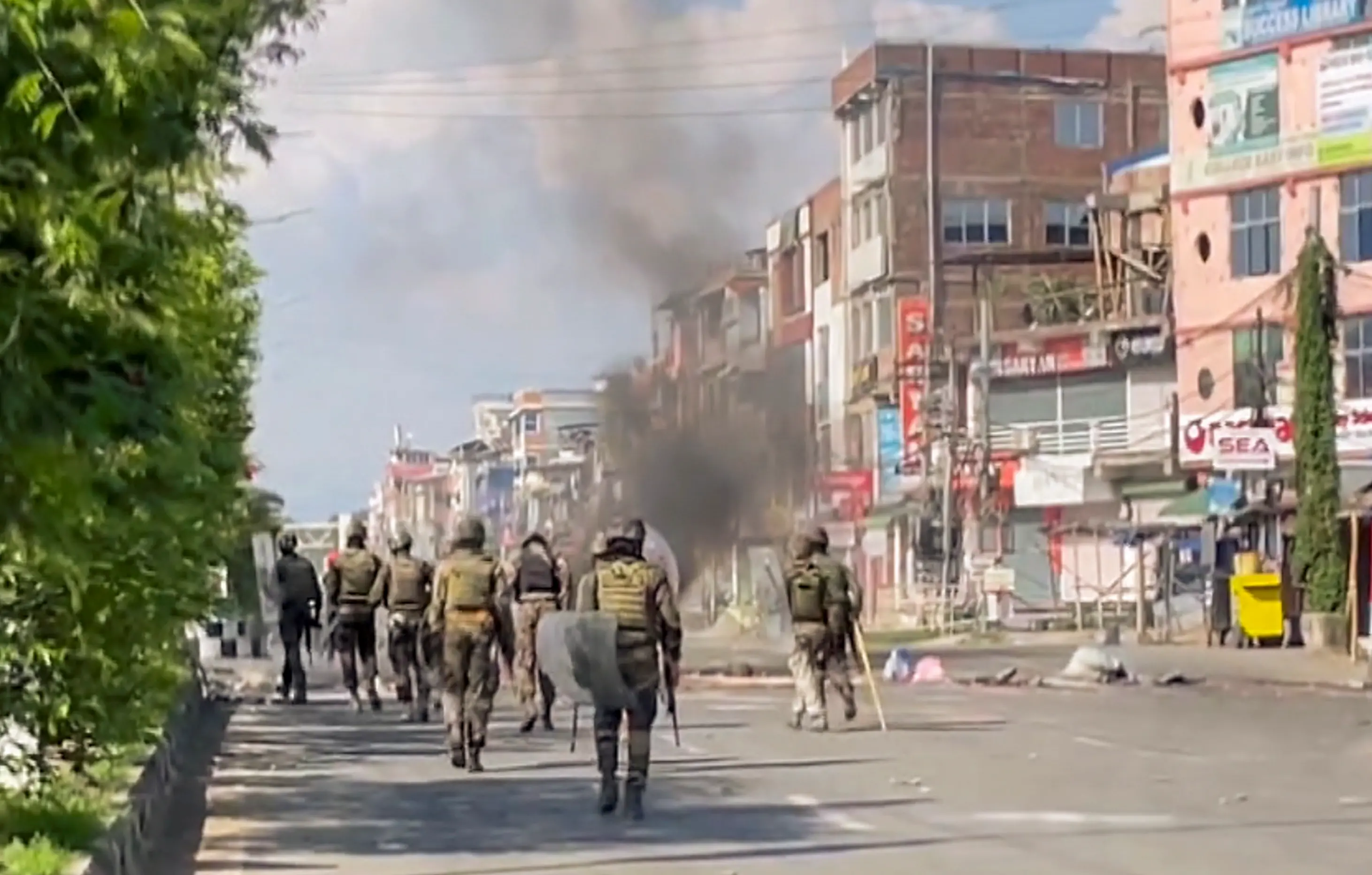
Imphal: In conflict-torn Manipur, a quiet academic revolution is underway. With frequent internet shutdowns, violent clashes, and hundreds displaced from their homes, students—especially UPSC and other exam aspirants—are finding it nearly impossible to focus on their studies.
In response, private reading rooms and libraries are springing up as essential havens.
Can private libraries solve Manipur’s study crisis?
As ethnic violence, frequent internet shutdowns, and displacement continue to disrupt daily life in Manipur, one unlikely saviour has quietly emerged: private libraries. In a state struggling with prolonged instability, these modest, pay-to-use reading rooms are becoming sanctuaries for students, particularly those preparing for competitive exams like the UPSC.
How did the crisis affect students in Manipur?
Since the eruption of ethnic violence in May 2023, Manipur has witnessed widespread chaos. Over 219 lives have been lost, more than 60,000 people have been displaced, and public infrastructure remains paralysed. Educational institutions have been intermittently shut, and internet access has been repeatedly cut off for security reasons. These factors have disproportionately affected students, many of whom rely on digital resources and peaceful environments for exam preparation.
With homes no longer safe or conducive for study, private libraries have become a crucial alternative. These libraries are not just traditional book spaces—they provide 24/7 access to electricity, reliable internet, air-conditioned study halls, and a calm, distraction-free atmosphere. Monthly fees range from ₹500 to ₹1,500, making them affordable for many middle-class families.
Who is using these spaces—and why?
A large number of the library users are competitive exam aspirants—UPSC, banking, SSC, and civil services candidates. Some have been forced out of their homes and now live in relief camps or with extended family. “I can’t focus at home anymore—there’s constant anxiety, loud arguments, and no internet,” says Ningthem, a 24-year-old aspirant who spends 12 hours a day at a library in Imphal.
How are libraries adapting to the growing demand?
To meet rising demand, many libraries have upgraded their facilities. Some now offer biometric entry, CCTV monitoring, lockers, pantry services, and even power backups to ensure uninterrupted study hours. The quiet, structured environment appeals to students who lack the mental space at home to maintain a disciplined study routine. Several libraries report that their seats are fully booked weeks in advance.
While private libraries cannot substitute for schools and universities, they are bridging an essential gap. They offer stability amid uncertainty and allow students to stay on track with their ambitions. As one founder put it, “We’re not just giving them a chair and desk—we’re helping preserve hope.”
What lies ahead for Manipur’s young learners?
The path forward remains uncertain. Violence still flares up in parts of the state, and internet access remains erratic. But as long as students continue to strive for a better future, these private libraries will remain vital lifelines. Their rise underscores both the failure of the state to secure education and the resilience of young people determined to keep learning.