What is Malhar certification? Nitesh Rane’s ‘hindu-only’ meat initiative explained
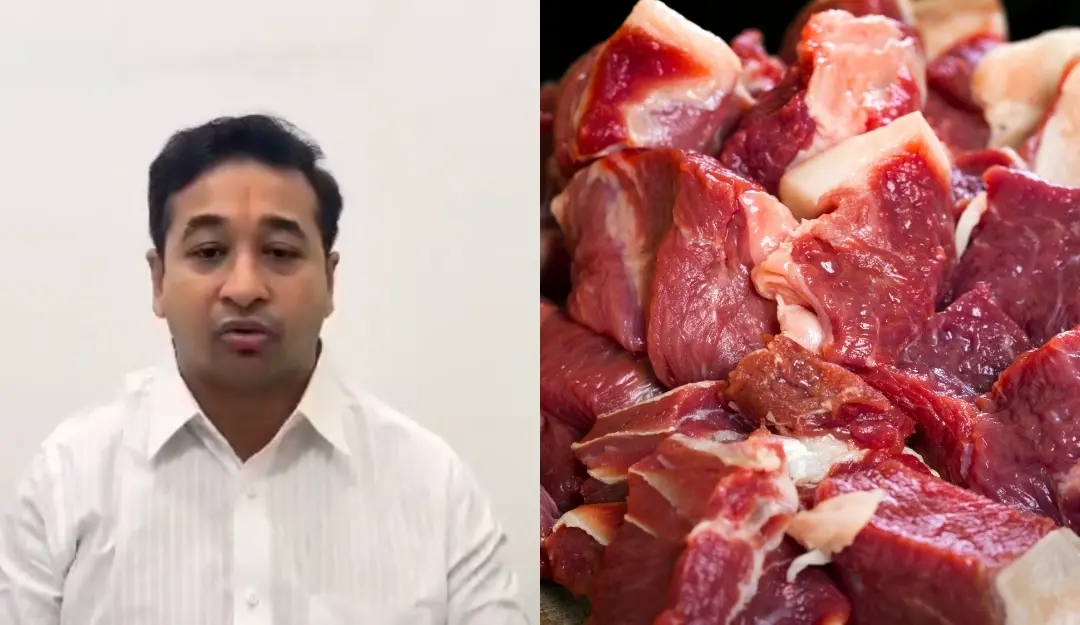
Mumabi: Maharashtra's Fisheries Minister Nitesh Rane has launched the Malhar certification, a new initiative aimed at registering all jhatka mutton shops under a verified platform. The move, which ensures these shops are exclusively operated by Hindus, has stirred debate over its implications on communal harmony and market competition.
What is Malhar certification?
The Malhar certification is a platform designed to verify jhatka meat suppliers in Maharashtra. Jhatka meat refers to animals slaughtered in a single blow, differing from halal meat, which follows Islamic butchering practices. Rane emphasised that this initiative aims to provide Hindus access to meat prepared in accordance with their religious traditions.
A dedicated website, MalharCertification.com, has been created to enlist and verify vendors, ensuring they adhere to the Hindu Khatik community's slaughtering methods. The platform also claims that certified meat will be “fresh, clean, free from saliva contamination, and not mixed with other animal meats.”
Rane’s public appeal
Launching the initiative, Rane urged Hindus to buy meat only from Malhar-certified shops, stating,
“This Malhar certification should be used more and more, and Hindus should not buy mutton from shops without Malhar certification. This is what I appeal to people. Jai Shri Ram.”
The certification is positioned as a step to regulate the meat market while catering specifically to Hindu dietary customs.
Communal and economic implications
The initiative has sparked significant discussion, with critics arguing that it could deepen religious divides in the marketplace. While Rane asserts that the certification merely facilitates consumer choice, opponents see it as an exclusionary move that could marginalise non-Hindu butchers and traders.
Moreover, concerns have been raised over its legal viability, as India's Constitution upholds freedom of trade and prohibits discrimination based on religion. Legal experts suggest that enforcing a “Hindu-only” meat market segment may face legal challenges under anti-discrimination laws.