Maharashtra polls: 'Unbelievable' trends rock MVA as Mahayuti triumphs, Raut blames money power
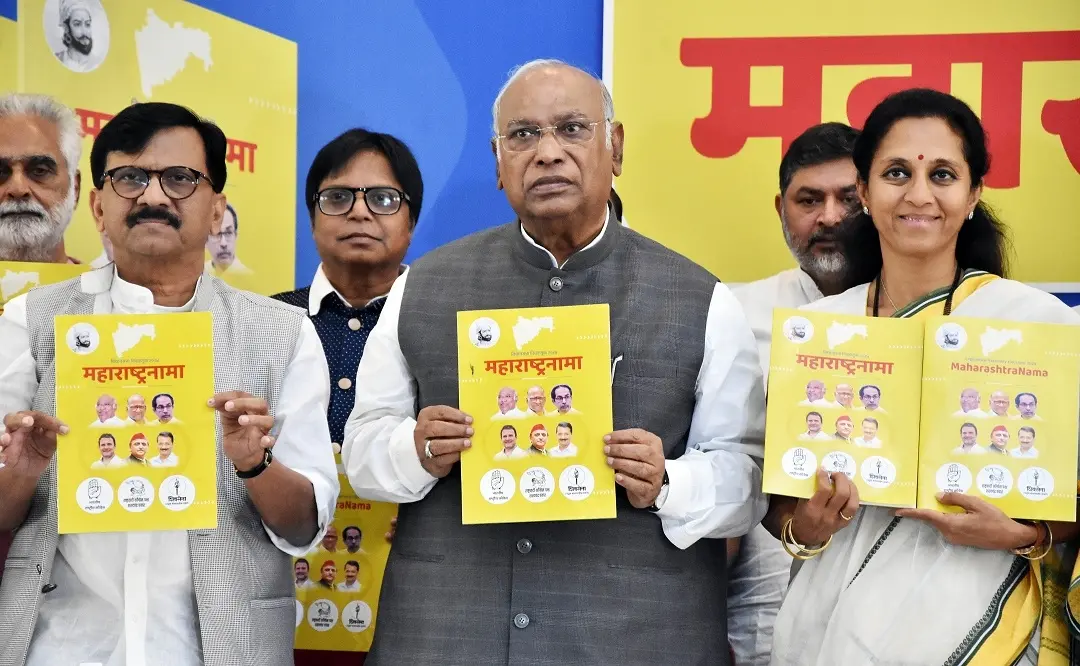
A stunned silence gripped the opposition Maha Vikas Aghadi (MVA) as the ruling Mahayuti alliance surged ahead in the high-stakes Maharashtra Assembly elections. By 11 a.m., early trends indicated a landslide victory for MahaYuti, delivering a major blow to the MVA allies Congress, Nationalist Congress Party (SP), and Shiv Sena (UBT).
The elections, held on November 20 for 288 Assembly seats, saw MahaYuti's Shiv Sena-BJP-NCP faction leading in over 200 constituencies, while the MVA struggled with around 60. Smaller parties and Independents held sway in the remaining seats, though the situation could shift as counting progressed.
Initial trends revealed a tough battle for MVA stalwarts, many trailing their MahaYuti rivals. In contrast, some MahaYuti newcomers maintained comfortable leads.
Among prominent leaders, Deputy Chief Ministers Devendra Fadnavis (BJP) and Ajit Pawar (NCP) led in Nagpur South West and Baramati constituencies, respectively. Fadnavis is now widely speculated to return as Chief Minister.
MVA reacts with disbelief
Sanjay Raut, Shiv Sena (UBT) MP, expressed shock, stating, “The results are absolutely unbelievable” and seemingly contradictory to the public mood. He alleged that MahaYuti's victory may have been influenced by significant money power.
Congress and NCP(SP) leaders are yet to respond, but MahaYuti’s lower-rung leaders celebrated, claiming that the results vindicate their efforts and show public dissatisfaction with the MVA. A notable section of the electorate, particularly women voters ('Ladki Bahins'), appeared to have supported the ruling alliance.
With ians inputs