AI technology and ISRO radar images: Reviewing crowd control efforts after Kumbh Mela stampede
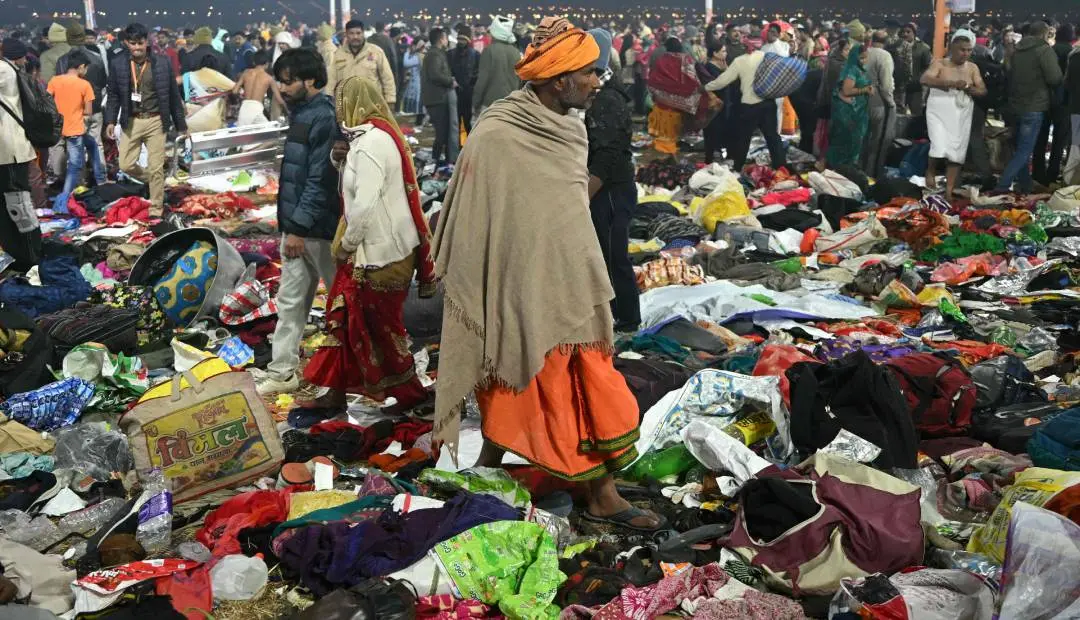
The Maha Kumbh Mela, one of the largest spiritual gatherings in the world, witnessed a stampede-like situation despite extensive crowd control measures implemented by the authorities. The review of the system in place underscores the challenges of managing such a massive influx of pilgrims.
Authorities had rolled out a series of crowd-management guidelines aimed at ensuring the safety and convenience of millions of devotees. Pilgrims were advised to use designated lanes leading to Sangam Ghat, to stay in their lanes while approaching the bathing area, and to avoid lingering after the holy dip. They were urged to proceed promptly to parking areas or their destinations to maintain smooth movement.
Devotees were reminded to remain patient at barricades and pontoon bridges and avoid rushing or jostling to prevent accidents. The administration also stressed that all ghats at Sangam are equally sacred and encouraged devotees to bathe at the first ghat they reach, preventing overcrowding.
No-Vehicle Zone and Infrastructure Adjustments
To manage crowd flow, the entire fair area had been declared a no-vehicle zone. Barricades were set up along the riverbanks to control crowds effectively, and special arrangements were made across all sectors to facilitate movement. Over 2,000 new signages were installed to guide devotees and ensure hassle-free navigation.
All parking areas were activated and equipped with basic facilities. Vehicles were directed first to the nearest parking zones and later to alternative areas according to a set traffic plan. While these measures were designed to manage traffic and crowd flow, the stampede suggests that congestion management in high-density areas needs reassessment.
Technological Interventions
The event saw the use of artificial intelligence and advanced technology to monitor crowd density and prevent stampedes. The Integrated Control and Command Centre (ICCC) was activated to monitor the crowd at the Sangam Nose and ensure no excessive gathering occurred. More than 300 cameras were installed on-site, supported by overhead drones. These cameras provided a continuous feed to a command room where police officers and technicians monitored crowd movements.
However, despite this technological deployment, the stampede signals that AI-based crowd tracking has limitations when it comes to managing crowd behaviour in real-time during peak hours.
The AI system was designed to track the flow of people, detect crowd density, and raise alarms if a section of the crowd became too concentrated. The system provided estimates of crowd sizes, which were cross-checked with data from railways and bus operators. While the technology helped avoid stampedes in some areas, it failed to prevent the disaster that unfolded.
Medical and Security Preparations
In addition to the technological solutions, the Uttar Pradesh government had deployed more than 1,000 medical professionals in the Maha Kumbh area to handle emergencies. Special surveillance efforts were in place to track suspicious individuals and prevent untoward incidents. Quick-response teams were also stationed in high-density areas to manage any crises.
However, the stampede reveals that the sheer scale of the crowd, estimated at up to 400 million pilgrims, presents a monumental challenge. In previous instances, such as in 1954, over 400 people died in a single day due to stampedes at the Kumbh Mela, highlighting the historical gravity of crowd control issues at such events.
Impact of Satellite Surveillance
To further assist in disaster management, ISRO's radar imaging satellite RISAT-1A provided detailed images of the fairgrounds, helping the authorities monitor infrastructure development and crowd patterns even through dense cloud cover. Despite these technological advances, the tragedy raises questions about the preparedness for such a large-scale gathering.
Satellite imagery is crucial in preventing disasters, especially at times when large crowds began to gather. Despite these efforts, the reality on the ground seems to have exceeded the system's ability to prevent overcrowding.
A Mixed Record
While authorities made significant efforts to prevent overcrowding and ensure the safety of pilgrims, the tragic stampede at the Maha Kumbh Mela suggests that these measures need to be reassessed and strengthened. The integration of technology and traditional practices has certainly improved the management of such large-scale events, but the system’s failure to prevent this stampede is a stark reminder that more robust and responsive crowd control strategies are essential for future events.
With agency inputs