‘Only God can offer shelter’: Madan Mitra alleges threat to life, questions political climate
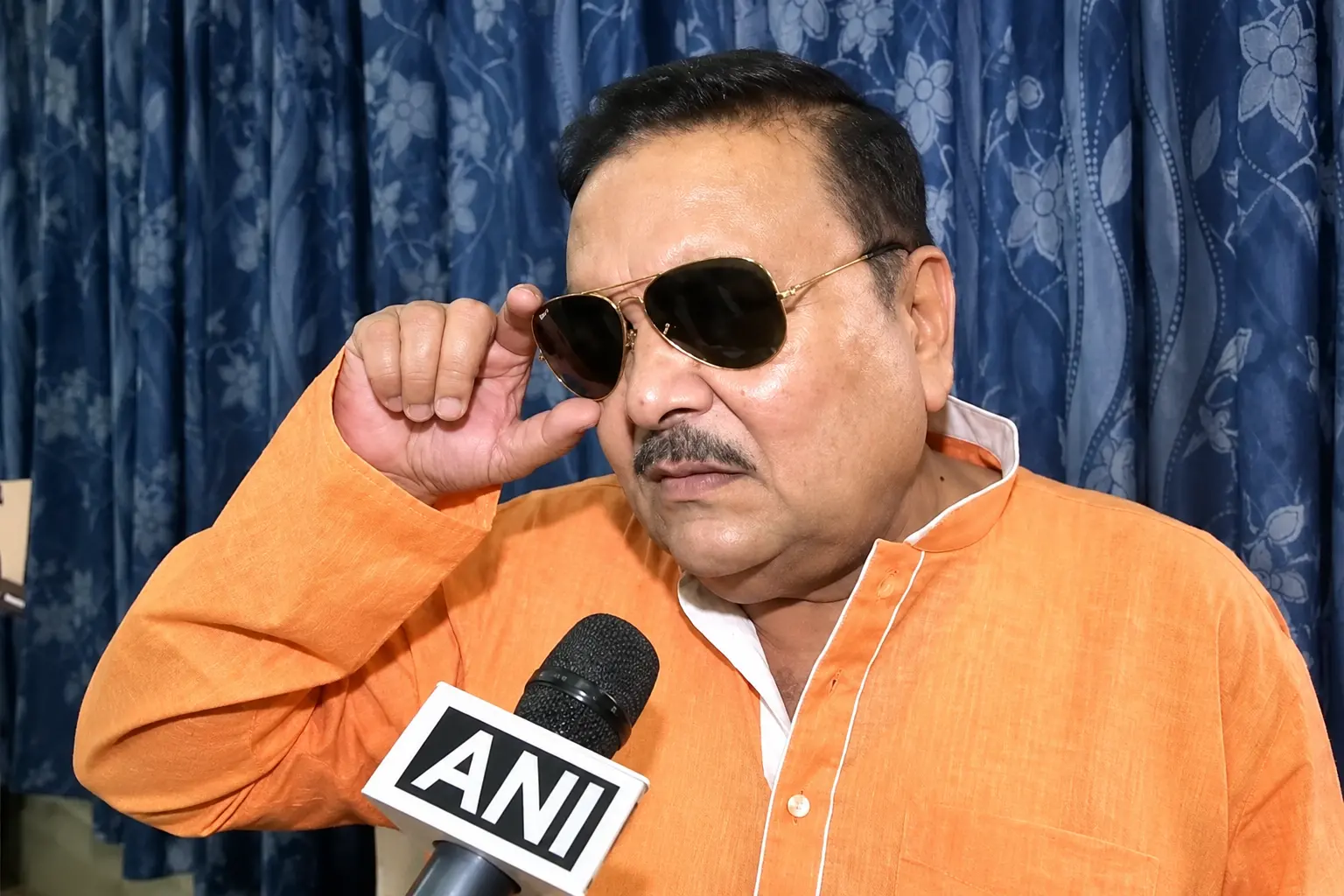
Kolkata: In an emotional admission that underscores his growing disillusionment with politics, Trinamool Congress (TMC) MLA Madan Mitra has hinted at quitting politics, claiming fear, terror and security concerns prevented him from visiting his own constituency during Durga Puja, despite being a four-time legislator.
In an interview with ABP Ananda, the Kamarhati MLA said he had never experienced a Puja marked by so many tears.
Mitra expressed anguish over being unable to meet the people who had elected him, describing the experience as one of the most painful moments of his political career.
‘There have never been so many tears shed during any Puja. I am a four-time MLA, yet I could not visit my own constituency. I could not go because of fear, terror and a lack of security. Murderers are roaming around with weapons. I realised that no one but God can offer shelter,’ Mitra said.
He made the remarks while speaking about his inability to visit Kamarhati during the festive period.
Mitra recalled attending several major Durga Puja pandals in Kolkata two days earlier, where he spent around two and a half hours among the crowds without a security guard accompanying him.
He said people smiled, posed for photographs, and greeted him with folded hands, unaware he was fighting back tears.
‘This was my first Bijoya and my first Dashami when I could not go to the people who elected me,’ he said.
‘Even if it costs me my life, I will go’
Explaining his absence from his constituency, Mitra cited fear, terror and concerns over his personal safety.
He claimed that an attempt had been made on his life and thanked West Bengal Chief Minister Suvendu Adhikari for asking the police to take action.
However, Mitra said the intervention had not made the situation safe enough for him to visit his constituency.
Asked whether he would return despite the alleged threats, the MLA responded defiantly. ‘Yes, I will go. Even if it costs me my life, I will go,’ he said.
His remarks sharply contrasted his willingness to return to his voters with his claim that the prevailing security situation had kept him away during one of Bengal's most important festivals.
‘I hate politics now’, Mitra takes a swipe at political culture
Mitra also extended his Bijoya greetings and expressed respect for both Mamata Banerjee, the Trinamool Congress supremo, and Adhikari, the state's Chief Minister.
‘Bijoya greetings and my respects to both Suvendu Adhikari and Mamata Banerjee. I hate politics now. There is more gravel than rice in the mix,’ he said, using a Bengali expression to convey his frustration with the political environment.
His comments reflected deep disappointment with the state of politics, even as he acknowledged the intervention he attributed to Adhikari.
Floor test remark draws a pointed response
Reacting to the Chief Minister's reported claim that the government's strength would rise to 275 in a floor test, Mitra questioned the need to make such an assertion when the majority was not being challenged.
‘You have the majority. You are the ace of spades. You are starting with four no-trump. Why would you do that? Nobody is questioning your majority,’ he said.
Mitra also pointed out that while the Chief Minister had visited various places, he had been unable to meet the people who elected him.
The MLA's comments added another layer to his frustration, bringing together his concerns over security, his inability to reach his constituents, and his criticism of the prevailing political climate.
Will Madan Mitra quit politics?
Asked about his political future, Mitra stopped short of announcing a formal decision but suggested that stepping away from politics could be the only way to prevent people from suffering.
‘I cannot say what the future holds. I will try to ensure that people do not suffer. The only way to do that is to quit politics,’ he said.
The remarks strongly indicate his disillusionment, although he has not formally announced his resignation from politics.
His declaration that he would return to Kamarhati even at the risk of his life, however, suggests that his connection with his voters remains central to his political identity.