Sri Lanka fuel crisis: India delivers 38,000 MT lifeline, Prez thanks Modi
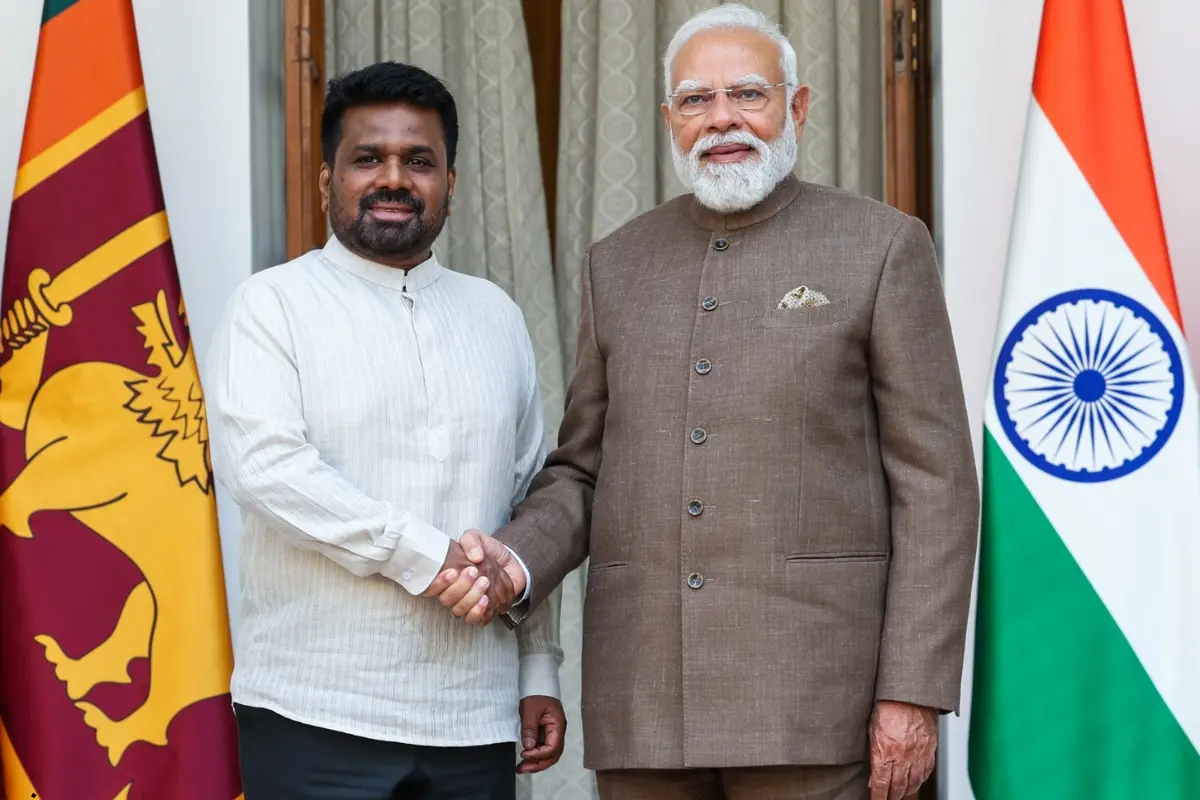
Colombo: Sri Lanka has received 38,000 metric tonnes of fuel from India, offering immediate relief as global supply chains face disruption due to the conflict in West Asia. President Anura Kumara Dissanayake confirmed the development in a post on X, expressing gratitude to Prime Minister Narendra Modi for the swift assistance.
The President said he had recently spoken to Modi regarding the fuel shortages affecting Sri Lanka, and acknowledged India’s prompt response. He also thanked External Affairs Minister S. Jaishankar for closely coordinating the support.
The development follows a telephone conversation between the two leaders on March 24, where they discussed the escalating situation in West Asia and its impact on global energy security. Both sides emphasised strengthening bilateral energy cooperation and maintaining regional stability.
As the crisis deepens, Sri Lanka has implemented emergency measures including fuel rationing, price hikes, and energy conservation initiatives to manage limited supplies.
India steps in with urgent fuel supply
India supplied 38,000 metric tonnes of fuel to Sri Lanka, which arrived in Colombo on March 25, 2026. The shipment came after Sri Lanka flagged serious fuel shortages caused by disruptions in global energy supply chains linked to the ongoing conflict in the Middle East.
President Anura Kumara Dissanayake publicly acknowledged the assistance, stating that he had directly discussed the issue with Prime Minister Narendra Modi days earlier. He highlighted India’s rapid response and also credited External Affairs Minister S. Jaishankar for ensuring smooth coordination.
Leaders discuss energy and regional security
During a telephone conversation on March 24, Prime Minister Modi and President Dissanayake reviewed the evolving situation in West Asia. Both leaders focused on how the conflict is affecting global supply chains, especially energy flows, and discussed ways to strengthen cooperation between India and Sri Lanka.
Modi reiterated India’s commitment to working closely with Sri Lanka as a trusted partner, particularly in addressing shared challenges related to energy security and regional stability.
Sri Lanka faces growing energy crisis
Sri Lanka has been taking multiple steps to manage the worsening fuel shortage. The government has introduced weekly fuel quotas for vehicles and increased fuel prices by around 25 percent. It has also urged citizens to conserve energy, particularly during peak hours.
In an effort to reduce fuel consumption, the government declared Wednesdays as a holiday for public sector employees. Authorities have also launched awareness campaigns encouraging responsible energy usage.
Wider regional impact of Middle East conflict
The ongoing conflict in West Asia has disrupted global oil supply chains, affecting several South Asian nations. Along with Sri Lanka, countries such as Bangladesh and the Maldives have also approached India for energy support.
India’s assistance aligns with its “Neighbourhood First” policy and broader regional initiatives aimed at ensuring stability and energy access for neighbouring countries.
Long-term energy cooperation plans
Sri Lanka has identified long-term solutions to reduce vulnerability to such crises. One key project is the development of the Trincomalee oil tank farm as a strategic energy hub, supported by India. Plans also include strengthening energy grid connectivity and partnerships involving the United Arab Emirates.
These initiatives were part of agreements signed during Prime Minister Modi’s visit to Sri Lanka in 2025, signalling deeper cooperation in the energy sector.