LPG crisis: Is India running out of cooking gas? Check latest cylinder rates in your city
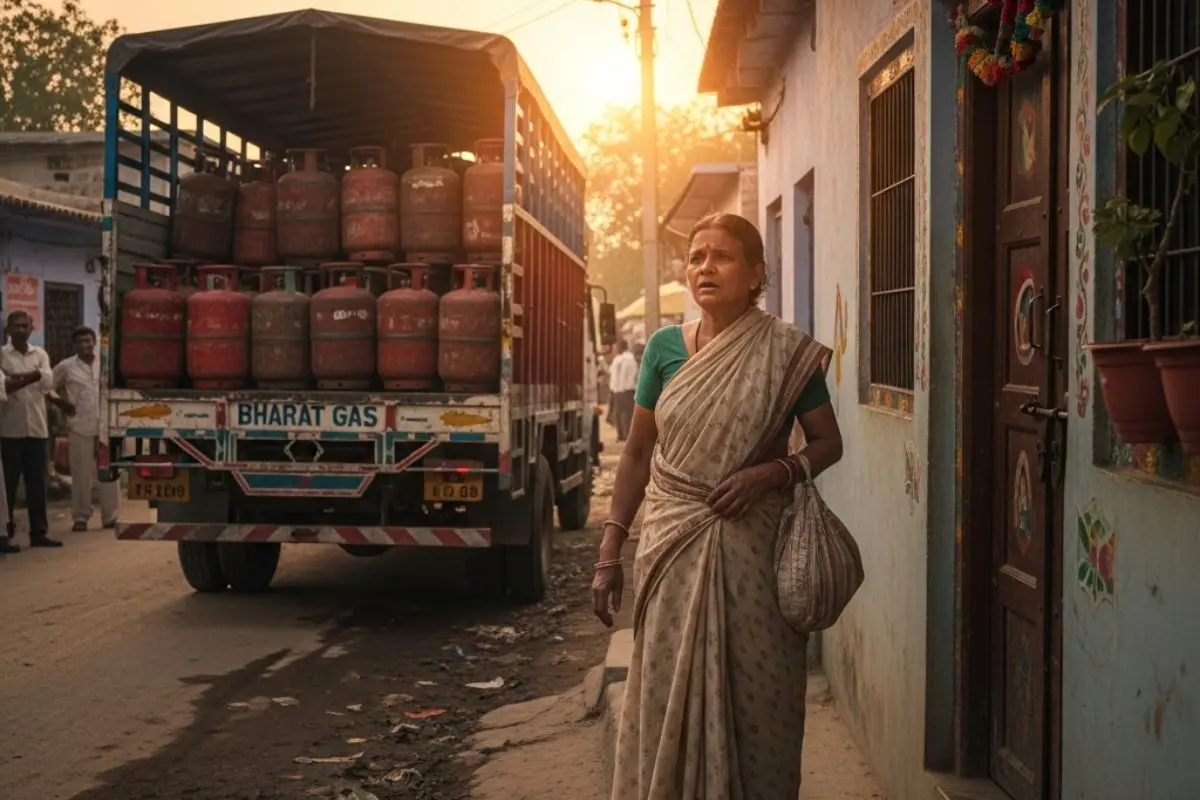
New Delhi: Indian households are waking up to a double-edged crisis as the Middle East conflict hits the kitchen. With the Strait of Hormuz effectively closed, the government has moved to a "priority rationing" mode. While officials deny a total "dry out," the implementation of a strict 45-day booking lock-in in several regions tells a different story of tightening supply.
Domestic budgets have been shattered by a steep ₹60 hike in March alone. For those using commercial cylinders, the blow is even harder with a ₹144 surge.
Are you paying more? Check the current rates for a 14.2 kg domestic cylinder & 19 kg commercial cylinder
| City | Domestic (14.2 Kg) | Commercial (19 Kg) |
| New Delhi | ₹913.00 | ₹1,884.50 |
| Kolkata | ₹939.00 | ₹1,988.50 |
| Mumbai | ₹912.50 | ₹1,836.00 |
| Chennai | ₹928.50 | ₹2,043.50 |
| Bangalore | ₹915.50 | ₹1,958.00 |
| Hyderabad | ₹965.00 | ₹2,105.50 |
| Lucknow | ₹950.50 | ₹2,007.00 |
| Patna | ₹1,002.50 | ₹2,133.50 |
| Thiruvananthapuram | ₹922.00 | ₹1,912.00 |
ALSO READ: LPG crunch: Why Bengaluru's beer scene is running dry
Supply watch: Shortage or panic?
The big question on everyone's mind: Is there actually a shortage? While the Petroleum Ministry maintains that "adequate stocks exist," ground reports suggest a different reality. Hotels and eateries in major metros like Kochi, Mumbai and Bengaluru have started suspending menu items or closing early due to commercial supply delays. To manage the thinning inventory, the government has overhauled booking rules:
- Rural areas: A massive 45-day lock-in period between refills.
- Urban areas: The gap has been increased to 25 days (up from the previous 21 days).
ALSO READ: LPG shortage: Can Induction cooktop replace gas stove?
Why the supply is "choked"
India relies on imports for nearly 60% of its LPG, with the vast majority transiting the now-volatile Middle East. With shipping insurance premiums up by 1,000% and the Strait of Hormuz blocked by naval conflicts, the cost of bringing gas to India has hit record highs.
Authorities have invoked the Essential Commodities Act, directing refineries to prioritise domestic cooking gas over industrial petrochemicals. However, with "panic booking" on the rise, the wait for your next cylinder might be longer than usual.