Led one-man panel, submitted report after 17 years: Judge who probed Babri Masjid demolition dies
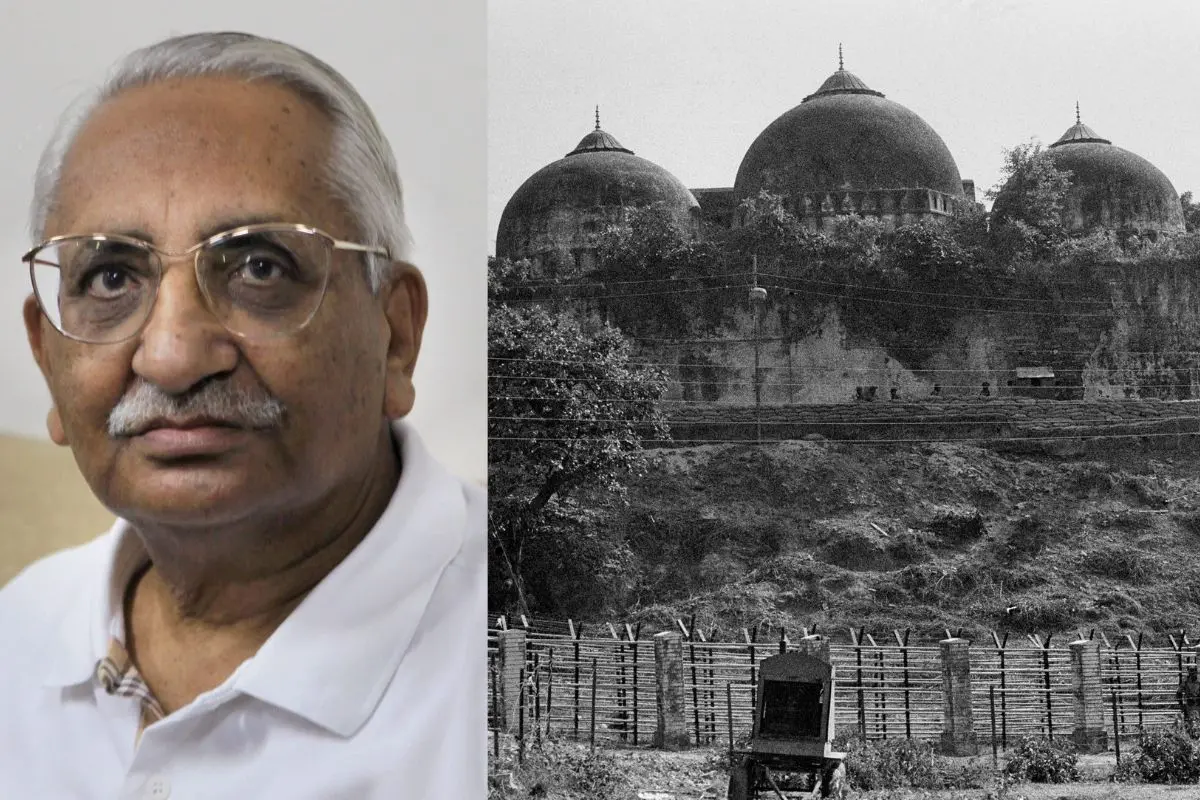
Justice (Retd.) Manmohan Singh Liberhan, who led the inquiry into the 1992 Babri Masjid demolition and later submitted the Liberhan Commission report, died on Sunday at the age of 87.
Over a legal career that stretched across four decades, he served as Advocate General of Haryana, judge of the Punjab and Haryana High Court, Chief Justice of the Madras High Court and later Chief Justice of the Andhra Pradesh High Court. Yet, for many Indians, his name stayed linked to the Babri Masjid inquiry.
Long road to the Babri report
Born on November 11, 1938, Justice Liberhan began practising law in 1964 at the Punjab and Haryana High Court. He was elected to the Punjab and Haryana Bar Council in 1970, later serving as its secretary before becoming Additional Advocate General and then Advocate General of Haryana in 1986.
He was elevated as a judge of the Punjab and Haryana High Court in February 1987.
Days after the demolition of the Babri Masjid in Ayodhya on December 6, 1992, the Centre appointed him to head a one-man inquiry commission on December 16. The panel was first expected to submit its findings in 1993. The report, however, came much later, after 43 extensions, and was finally handed over on June 30, 2009.
Justice Liberhan later said he had personally gone through the Ayodhya records many times while preparing the report after his counsel left midway through the work.
A judge known for plain speaking
Justice Liberhan was widely seen as a firm, straightforward judge who believed judges should be known for their rulings rather than public appearances. He often spoke about the need for judges to spend more time reading case papers and interpreting the law, instead of drawing attention to themselves.
Among lawyers, he remained a familiar and approachable figure even after retirement. Members of the legal fraternity remembered him as someone who freely spoke with younger advocates and stayed deeply interested in the courts and the legal system to which he had devoted his working life.