Karnataka’s 56% quota falls in court: Will the Supreme Court revive the SC/ST hike?
Bengaluru: The Karnataka High Court has struck down the state’s decision to increase reservations for Scheduled Castes and Scheduled Tribes beyond the 50% ceiling, ruling the enhanced quota unconstitutional.
The 2022 legislation increased reservation for Scheduled Castes from 15% to 17% and for Scheduled Tribes from 3% to 7%. This took the overall reservation in Karnataka for education and government jobs to 56%.
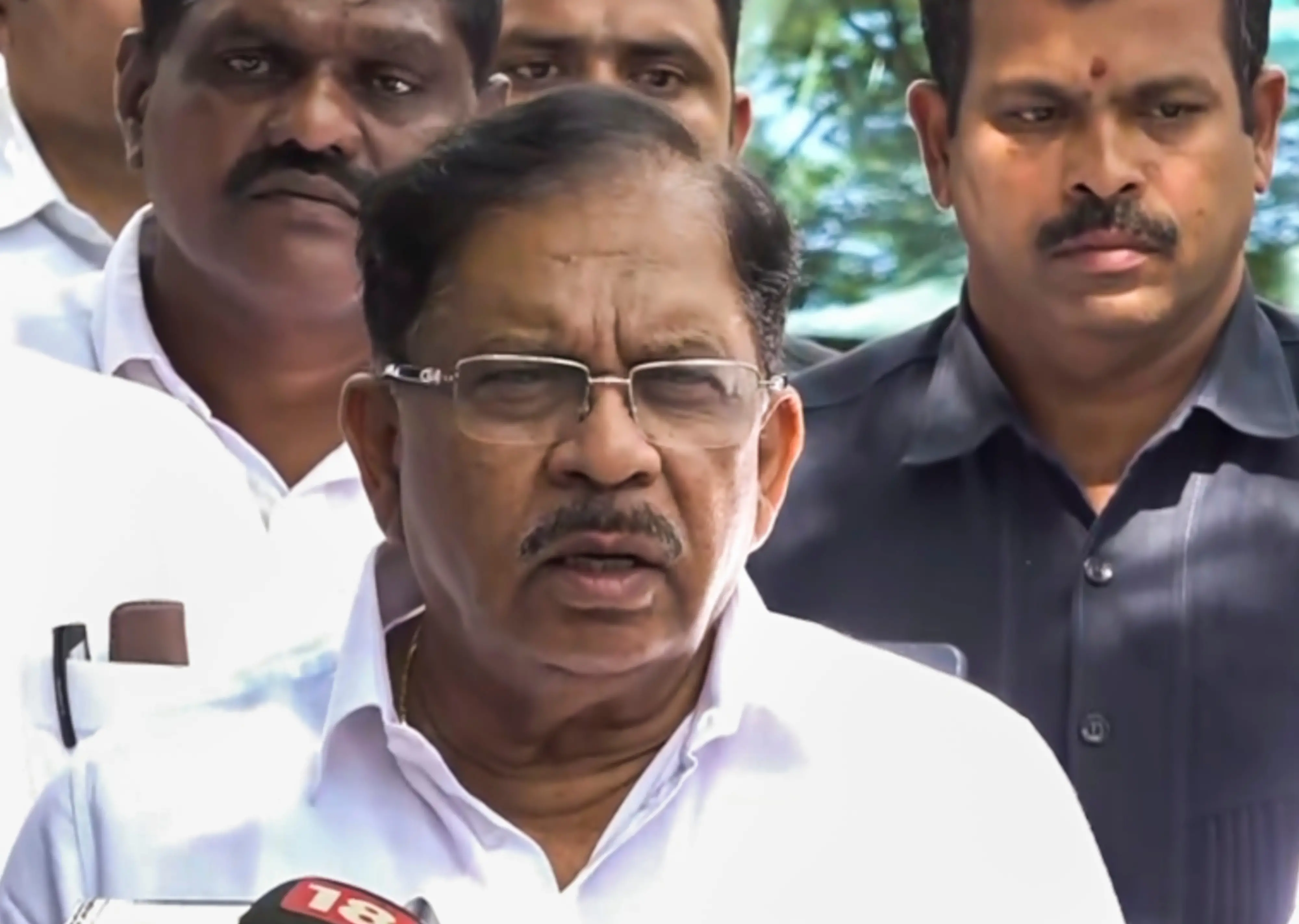
Deputy Chief Minister G Parameshwara said the state government would pursue all available legal options, including filing an appeal before the Supreme Court.
In a statement issued on Monday evening, Parameshwara urged Prime Minister Narendra Modi and the Union government to undertake a comprehensive review of the 50% reservation ceiling and consider constitutional and legislative measures to address Karnataka’s demand.
He also called on the Centre to reconsider the state’s request to include the enhanced reservation provisions in the Constitution’s Ninth Schedule.
Parameshwara said the BJP government, which enacted the legislation in October 2022, was aware that the changes would raise the overall reservation quota to 56%. He argued that the legislation was passed without securing the requested Ninth Schedule protection, despite the issue having been recognised by the government at the time.
According to Parameshwara, the Centre informed Parliament on July 25, 2026, that Karnataka’s proposal for inclusion in the Ninth Schedule had been deferred because the matter was pending before the High Court.
Former chief minister Siddaramaiah also called on the Union government to explain how it intended to address the issue. He said the Justice Nagamohan Das Committee, constituted by the Congress government, had provided the basis for increasing SC/ST reservations.
Siddaramaiah argued that the Centre should review the 50% ceiling and work towards a constitutionally sustainable framework for reservation that takes population-related considerations into account.
The High Court’s ruling places the enhanced quota under legal challenge and leaves the state government to consider its next steps. Any further change will depend on the legal process and the constitutional framework governing reservations.
Why the 50% ceiling matters
The 50% reservation ceiling has been a central principle in Indian reservation jurisprudence, particularly following the Supreme Court’s 1992 judgment in Indra Sawhney v Union of India. The court recognised that departures from the ceiling may be possible in extraordinary circumstances, but the principle has remained a major constitutional constraint on states seeking to expand reservation beyond that threshold.
Karnataka’s 2022 legislation raised SC reservation from 15% to 17% and ST reservation from 3% to 7%, taking the total quota to 56%. The state’s request for Ninth Schedule inclusion was intended to provide additional protection from legal challenges, but such inclusion is not automatically immune from judicial review.
The immediate issue is whether the state can establish a legally sustainable basis for the enhanced quota and whether an appeal can alter the outcome. The dispute also raises broader questions about how population data, social disadvantage and constitutional limits should be considered when governments frame reservation policies.
The High Court’s ruling does not, by itself, resolve the wider debate over the appropriate level of reservation. The next stage will depend on the detailed judgment, the grounds of any appeal and the courts’ assessment of the state’s arguments.