Big win or big worry? What Kalpakkam reactor ‘criticality’ really means
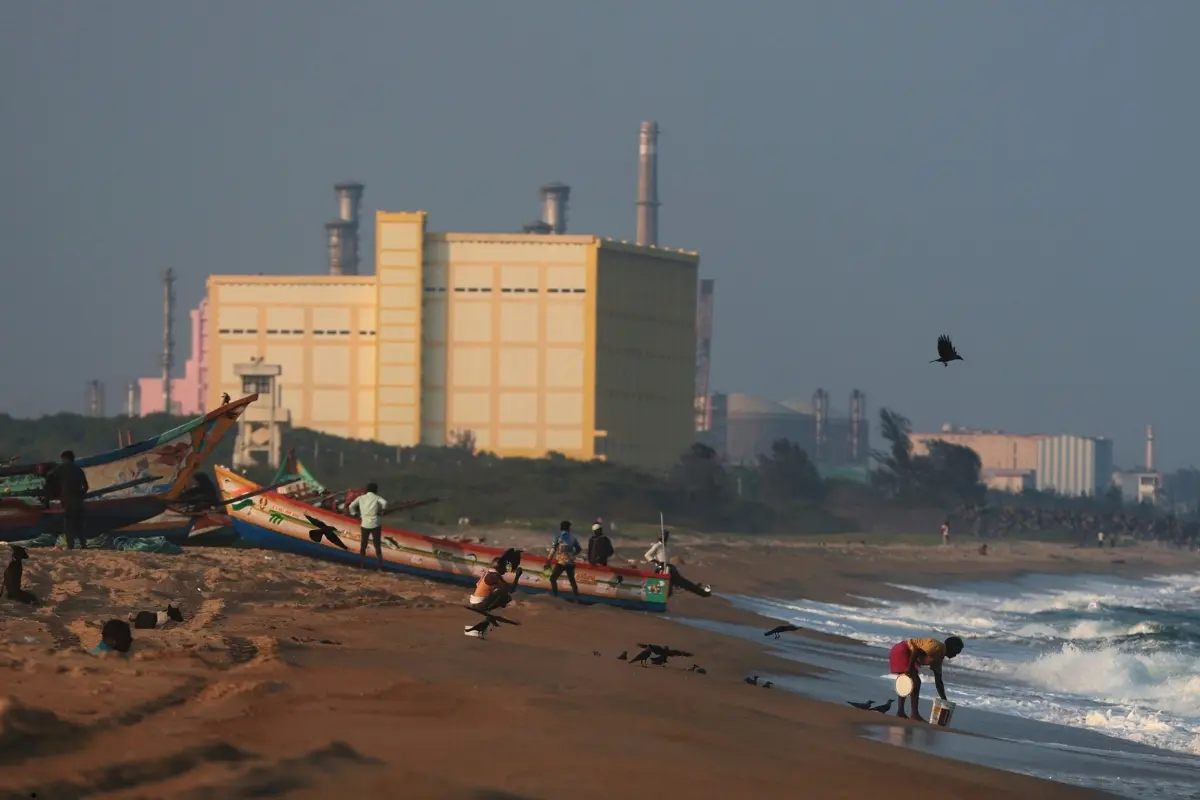
Tamil Nadu: The moment a nuclear reactor reaches “criticality” often sounds technical, but its implications go far beyond the laboratory. At Kalpakkam, this milestone marks a turning point in India’s long-term energy ambitions — one that promises cleaner power and technological advancement, while also raising important questions about safety, environmental impact and real-world viability.
A milestone that sparks both pride and questions
The Prototype Fast Breeder Reactor (PFBR) at Kalpakkam reaching criticality is being described as a major step in India’s nuclear journey. But beyond the achievement, it raises a broader question: is this a clean energy breakthrough, or does it carry environmental and human risks that need careful attention? The answer is layered and requires a balanced view.
What exactly has happened?
“Criticality” means the reactor has achieved a self-sustaining nuclear chain reaction. It is now capable of maintaining controlled fission, a key step before full-scale electricity generation.
In simple terms, the system has been successfully switched on — but it still needs to be tested under real operating conditions before being fully relied upon.
What is a fast breeder reactor?
Fast breeder reactors are designed to generate more nuclear fuel than they consume. They use plutonium-based fuel and produce additional fissile material, making them highly efficient.
For India, this matters because:
- Uranium reserves are limited
- Thorium reserves are abundant but require this multi-stage process
The Kalpakkam reactor represents the second stage of India’s three-stage nuclear plan, which aims to eventually use thorium for large-scale energy production.
Why it matters for India’s energy future
Nuclear energy is seen as a stable, low-carbon alternative to fossil fuels. Unlike solar and wind, it can provide continuous power.
If successful, this technology could:
- Reduce dependence on imported energy
- Support long-term energy security
- Help lower carbon emissions
This is why it is often described as a strategic and scientific milestone.
Environmental impact: cleaner energy, but not impact-free
1. Lower carbon emissions
Nuclear reactors do not emit carbon dioxide during operation, making them attractive in the context of climate change.
However, key environmental concerns remain:
Radioactive waste: Even though breeder reactors can reuse some waste, they still produce radioactive material that needs safe, long-term storage.
Water usage: Nuclear plants require large amounts of water for cooling, which can affect local water resources and marine ecosystems.
Thermal pollution: Discharge of heated water into nearby water bodies can impact aquatic life.
Human and safety risks: What needs attention
1. Sodium coolant risks
The PFBR uses liquid sodium as a coolant, which can react violently with air or water. While it improves efficiency, it increases operational complexity and requires advanced safety systems.
2. Radiation exposure risks
Though rare, any malfunction or leak could expose workers or nearby populations to radiation. Strict safety protocols are essential to minimise this risk.
3. Emergency preparedness
In the unlikely event of an accident, evacuation planning, public awareness, and rapid response systems become critical. Past global nuclear incidents have shown that preparedness is as important as prevention.
4. Long-term health concerns
Even without accidents, communities near nuclear facilities often raise concerns about long-term exposure and health monitoring, although such risks are typically low under regulated conditions.
Steps taken to address environmental and human risks
India’s nuclear programme includes multiple safeguards designed to reduce risks:
- Multi-layered containment systems to prevent radiation leaks
- Strict regulatory oversight by the Atomic Energy Regulatory Board (AERB)
- Regular safety audits and stress tests to ensure operational reliability
- Controlled waste management systems for handling and storing radioactive material
- Emergency response protocols including evacuation planning and disaster drills
Cooling system monitoring to manage sodium-related risks
Additionally, environmental impact assessments (EIAs) are conducted before and during operations to monitor ecological effects.
Is it a leap forward or a calculated risk?
It is both.
On one hand, the Kalpakkam reactor represents decades of scientific progress and positions India among a select group of countries working on advanced nuclear technologies.
On the other hand, fast breeder reactors are complex, expensive, and not widely proven at a large commercial scale globally. This means the project carries technological and economic uncertainties.
A relatable way to understand it
This development is similar to adopting a powerful new technology that promises long-term benefits but requires careful handling.
It is not an immediate solution to energy problems, but a long-term investment that must be managed responsibly.
What comes next
The reactor will now undergo further testing, gradual scaling, and regulatory checks before full commercial operation. Its performance over time will determine whether India can successfully move towards thorium-based energy.
Kalpakkam reaching criticality is a genuine scientific milestone — but it is not without challenges.
It offers the potential for cleaner, more sustainable energy, but also demands strict safety, environmental responsibility, and transparency.
The real success of this project will not be measured by this moment alone, but by how safely and effectively it operates in the years ahead.