Justice after 5 years: Delhi HC wipes slate clean for all accused in Tablighi Jamaat COVID case
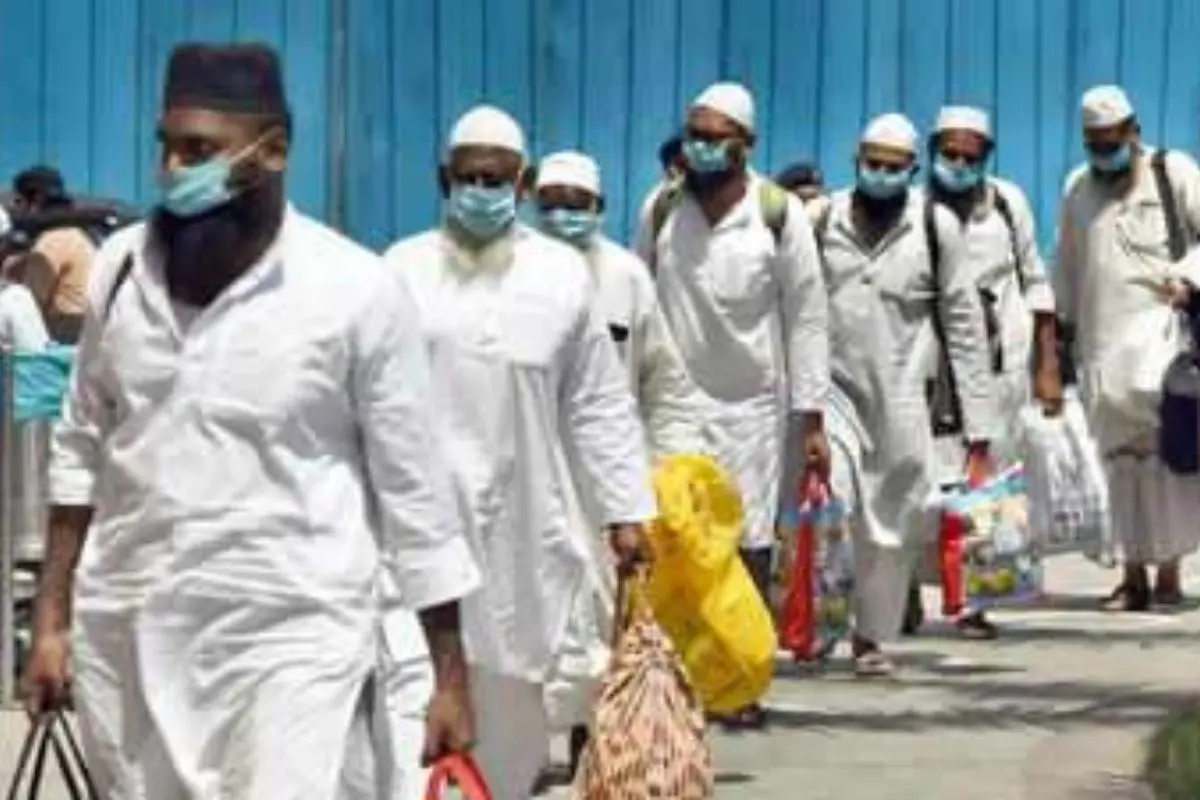
New Delhi: In a significant development, the Delhi High Court on Thursday quashed all criminal proceedings against 70 Indian nationals associated with the Tablighi Jamaat, more than five years after they were accused of spreading COVID-19 during the early days of the pandemic.
Justice Neena Bansal Krishna, while pronouncing the verdict in open court, ruled that all 16 FIRs and subsequent proceedings, including the chargesheets, stand quashed. The detailed judgment is yet to be made public.
The accused were booked under multiple sections of the Indian Penal Code (IPC), including criminal conspiracy, for allegedly housing foreign nationals in various mosques across Delhi between March 24 and March 30, 2020, just as nationwide lockdown measures were enforced. While the FIRs named 195 foreign nationals, most were either not formally charged or had their cases dropped under the legal principle of double jeopardy.
The Delhi Police Crime Branch initially filed an FIR under Section 3 of the Epidemic Diseases Act, 1897, along with IPC Sections 188 (disobedience to an order by a public servant), 269 (negligent act likely to spread infection), 270 (malignant act likely to spread infection), 271 (disobedience to quarantine rule), and 120-B (criminal conspiracy), along with provisions of the Disaster Management Act, 2005. Charges were later expanded to include Section 14(b) of the Foreigners Act, 1946.
In total, 48 charge sheets and 11 supplementary charge sheets were filed against 955 foreign nationals. Of these, 911 accepted plea bargains. Parallel FIRs, including one at the Chandni Mahal Police Station, named both Indian and foreign nationals, and the magistrate court had taken cognisance in a few cases.
The controversy began in early April 2020, when the Tablighi Jamaat—a global Islamic missionary group—was accused of flouting COVID-19 protocols by holding a large religious congregation at its Delhi markaz (centre). The event drew national attention, and over 950 foreign nationals were subsequently blacklisted by the Indian government amid accusations of worsening the public health crisis.
With the High Court now dismissing the charges against the Indian nationals, the long-standing legal battle appears to be drawing to a close, pending the full verdict.