Jaishankar praises military and diplomacy for India-China LAC patrolling deal
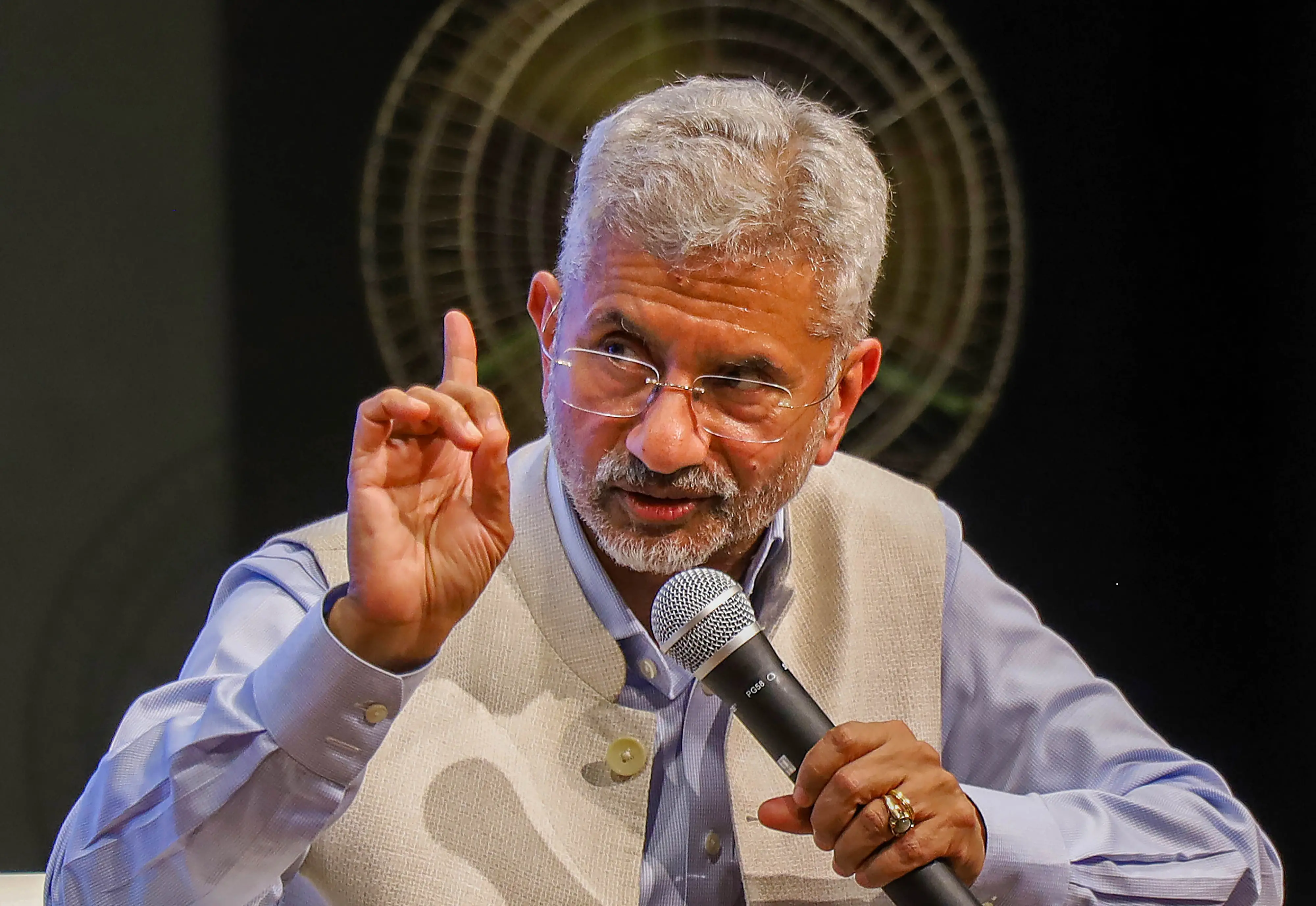
Pune: External Affairs Minister S Jaishankar on Saturday credited a recent breakthrough agreement with China regarding patrolling along the Line of Actual Control (LAC) to the combined efforts of the Indian military and diplomatic teams. Speaking to students in Pune, Jaishankar highlighted the “unimaginably tough” conditions faced by the military and praised the deft diplomacy that contributed to the progress.
During the interaction, he noted that although this agreement is significant, a full normalisation of India-China relations will take time as trust needs to be rebuilt. He recalled that during a BRICS summit meeting in Kazan, Russia, Prime Minister Narendra Modi and President Xi Jinping agreed that both nations' foreign ministers and National Security Advisors should work together to find a path forward.
Jaishankar said, "Our current progress is a result of a firm commitment to stand our ground. The military’s presence under very challenging conditions at the LAC, combined with strong diplomatic efforts, played a crucial role."
He also highlighted that India has significantly improved its border infrastructure, attributing part of the past challenges to the earlier neglect in this area. Today, five times more resources are invested annually than a decade ago, strengthening the military’s effectiveness at the border.
Earlier this week, India announced a new agreement with China regarding patrolling in eastern Ladakh, marking a significant step toward ending the prolonged standoff that began in 2020. Since the escalation, India had been engaged in ongoing negotiations to restore stability.
Jaishankar explained that the resolution has multiple components. Immediate priorities involve disengagement, given the close proximity of troops, as well as de-escalation due to the heavy troop presence on both sides. A longer-term goal will address broader border management and boundary negotiations.
He noted that while some progress was made after 2020, a major sticking point involved patrolling restrictions. “What was achieved on October 21 was a mutual understanding for Depsang and Demchok to resume patrolling as before,” Jaishankar said, referring to the resumption of pre-standoff patrolling activities.
Agencies