Is this 18th or 19th century investigation?: SC slams archaic criminal justice system
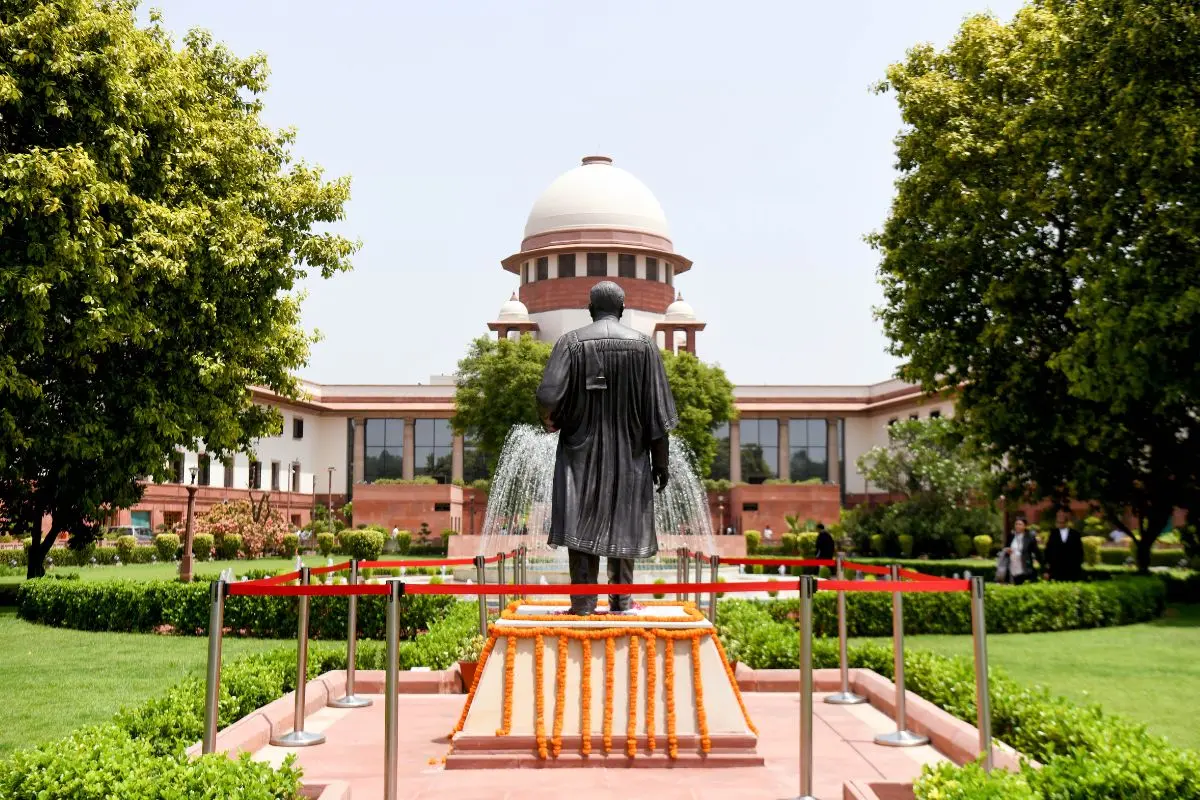
New Delhi: The Supreme Court on Tuesday issued a stinging rebuke of India’s criminal justice apparatus, criticising what it called a “colonial hangover” in investigation and prosecution, and warning that mere optics of arrest and incarceration were no substitute for systemic reform.
“We only send people to jail and feel there is an optics that criminal laws are working... There is a colonial hangover in investigation and prosecution,” remarked a bench of Justices Surya Kant and Joymalya Bagchi, while hearing a plea filed by the Chhattisgarh government. The state had sought to revoke the interim bail granted to four individuals accused in a high-profile coal levy scam, including two suspended IAS officers and a former deputy secretary in the Chief Minister’s Office.
The court reserved its verdict but used the occasion to raise deep concerns about the crumbling foundations of criminal investigation in the country. The judges pointed to the absence of witness protection programmes, modern forensic infrastructure, and professional prosecution wings. “The only way of protecting witnesses seems to be keeping the accused in jail,” the bench lamented. “There is no investigating agency in the country that has invested in protecting witnesses so that the purity of criminal laws remains intact.”
In scathing observations, the bench questioned the prevailing reliance on confessions rather than scientific evidence. “You want conviction to come only through confession. You want to keep them in jail and prove your cases through confession. Is this an archaic 18th or 19th century investigation?” the court asked pointedly.
It stressed that judicial reforms cannot succeed without parallel investments in investigation and prosecution. “The judge-population ratio should be ramped up. But where are the regulated specialised prosecution teams in any state? Where are the forensic experts?” the bench asked, adding that in an era of cybercrime, dark web, and cryptocurrency scams, law enforcement must modernise.
The comments came as part of the court’s consideration of the Chhattisgarh government’s appeal to overturn the interim bail granted on May 29 to accused persons Suryakant Tiwari, Ranu Sahu, Sameer Vishnoi, and Saumya Chaurasiya. Investigators allege that the accused were part of a cartel that imposed an illegal levy of ₹25 per tonne on coal transported through the state between 2020 and 2022, amassing over ₹540 crore.
Senior advocate Mahesh Jethmalani, appearing for the state, said Tiwari led the conspiracy and that “sufficient evidence,” including confessions, supported revocation of bail. However, senior advocate Mukul Rohatgi, representing Tiwari, argued that his client had already complied with all bail conditions and should not remain imprisoned indefinitely with no trial date in sight.
Under the May 29 order, the top court had directed the four accused be released on interim bail subject to strict conditions, including banishment from Chhattisgarh (except when summoned), surrendering of passports, and full cooperation with the investigation.
The same bench had last month warned both Union and state governments that the failure to set up exclusive special courts under stringent laws, including the NIA Act, could compel courts to grant bail to undertrials — even in cases involving terrorism and grave offences. The continued incarceration of individuals without trial, the court stressed, violated Article 21 of the Constitution — the right to life and personal liberty.
Tuesday’s hearing served as a continuation of the court’s increasingly vocal demand for systemic reforms. “We need special courts with adequate infrastructure,” the judges noted. “Provide judges proper training and ensure time-bound judgments. The time has come for specialised courts.”