Interstate bus strike in South India: What are operators demanding from the Centre and states?
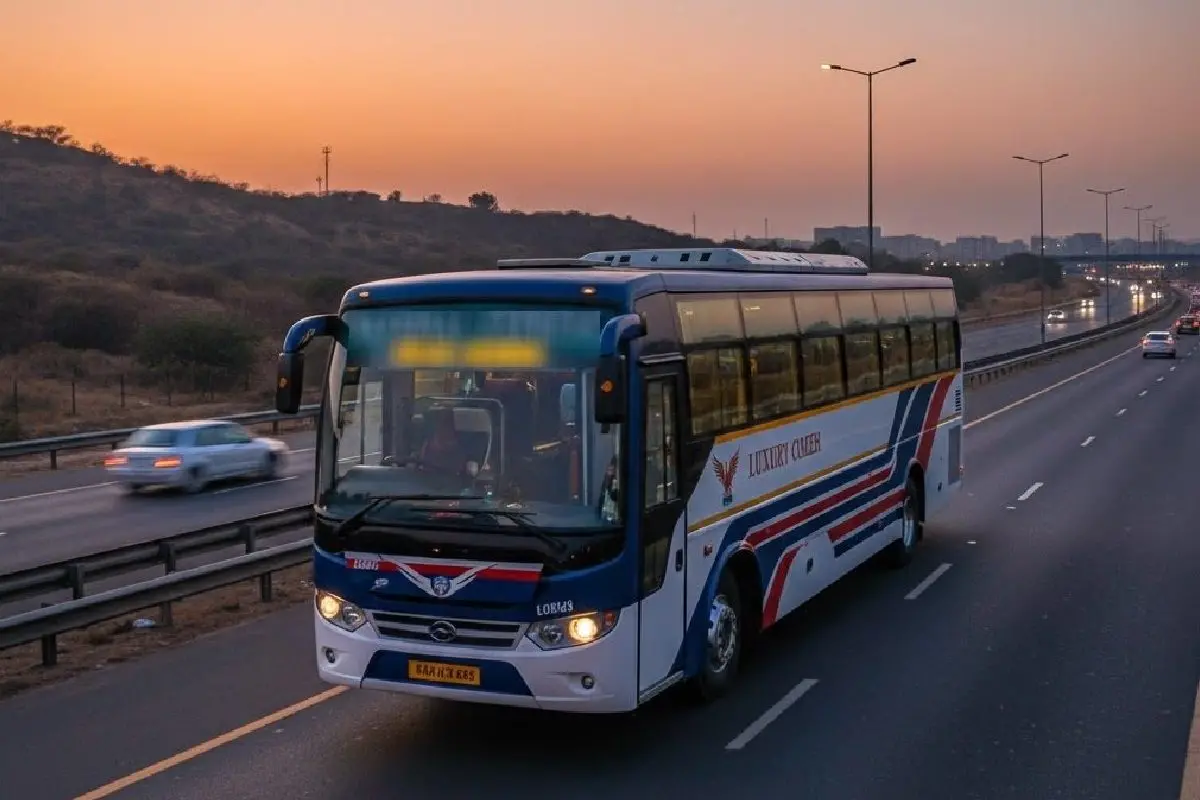
A major strike by interstate luxury bus operators has disrupted travel across South India, leaving passengers stranded and affecting services ahead of the Sabarimala pilgrimage season. The protest, which began in Tamil Nadu last week, has now spread to Karnataka, Kerala, Andhra Pradesh, Telangana and Puducherry, severely impacting long-distance routes.
What’s happening
Most private buses operating between Bengaluru and various destinations in Kerala, including Ernakulam, Kottayam, Kozhikode, Kannur and Palakkad, have suspended services. More than 200 interstate buses to Kerala were affected. Private buses from Andhra Pradesh, Puducherry and Telangana have also halted services from Monday, while operators in Tamil Nadu stopped interstate services from Friday.
The strike, called by the Luxury Bus Owners’ Association, is part of a joint protest by eight associations of private operators across southern states. They are demanding relief from what they describe as unfair state-level taxes, fines and vehicle seizures imposed on buses holding All India Tourist Permits (AITP).
Why are the operators protesting?
Under the Central Government’s Motor Vehicles Act, an All India Tourist Permit allows buses to operate across states after paying a single consolidated tax, meant to be distributed among states. The system was designed to simplify interstate travel and promote tourism.
However, several states, including Tamil Nadu and Karnataka, continue to levy additional road taxes on these vehicles, arguing that they are entitled to charge for operations within their jurisdictions.
Bus owners say this practice defeats the purpose of the AITP system. “Tourist vehicles from Kerala are being stopped, fined, and detained in Tamil Nadu and Karnataka, even though they operate legally,” said Maneesh Sasidharan, general secretary of the Kerala State Committee of the association.
Operators also claim that buses are being slapped with heavy penalties and even confiscated despite valid permits.
The cost burden
According to A. Anbazhagan, president of the Tamil Nadu Omni Bus Owners’ Association, operators currently pay ₹90,000 for an All India Permit valid for three months. On top of this, Tamil Nadu collects around ₹1.5 lakh as road tax, and an additional ₹2 lakh is charged when the same buses enter Kerala or Tamil Nadu again. “This is an excessive and unsustainable burden,” he said, calling on the Centre to issue special permits exempt from multiple state-level levies.
What’s the official stance?
State governments maintain that they have the authority to collect taxes from vehicles operating within their borders. They argue that some operators misuse tourist permits to run regular services, blurring the line between contract carriage and stage carriage operations.
Recently, tensions escalated after the Centre removed the option to collect state taxes from interstate buses through the 'Vahan' software platform, forcing several states to revert to manual collection at border check-posts or through on-road inspections.
What’s happening in Kerala?
The Kerala Luxury Bus Owners’ Association said the suspension of services was a “compelled action” to protect the safety of vehicles, drivers and passengers. The group has urged Kerala Transport Minister K B. Ganesh Kumar, the state Transport Commissioner and the Union Ministry of Road Transport and Highways to intervene and ensure uniform enforcement of the AITP framework.
Operators say services will resume once a fair and consistent tax policy is established across southern states. Until then, passengers, especially those travelling for the Sabarimala season, are likely to face disruptions and overcrowded alternatives on trains and KSRTC buses.