Inside ISI's cheap yet sinister conspiracy to humiliate Indian forces
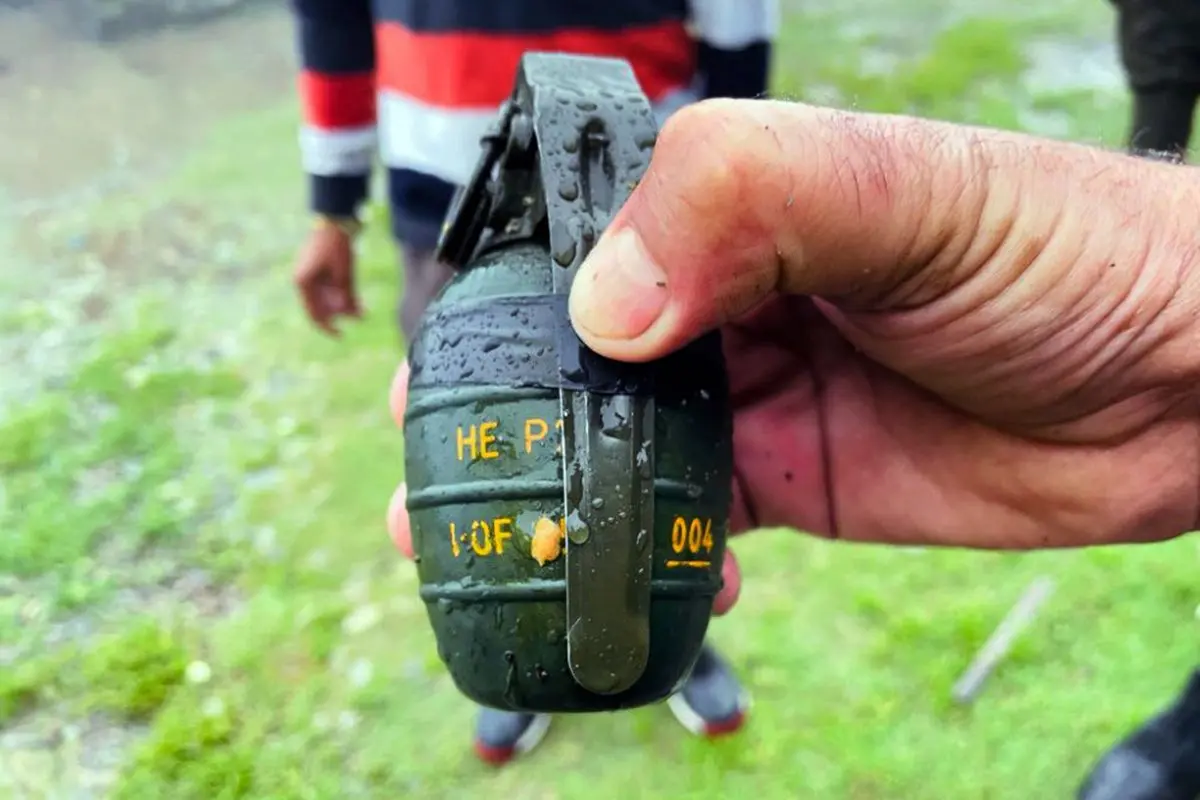
Pakistan's Inter-Services Intelligence (ISI) has pivoted to ultra-low-cost, high-psychological-impact terror modules spanning India. Intelligence agencies report a clear departure from elaborate improvised explosive devices (IEDs) toward simpler grenades paired with solar-powered reconnaissance cameras. This shift prioritizes ease, affordability, and embarrassment -- especially against Indian military installations -- fueled by desperation after Operation Sindoor crippled ISI-backed terror infrastructure.
Investigations into recent busts reveal ISI handlers favoring grenades for their operational simplicity. Unlike IEDs, which demand sourcing explosives, assembly, timer rigging, and risky transport to crowded or secure sites, a grenade is compact, portable, and deployable by one person: pull pin, hurl, escape.
"Grenades make far more sense for safer, lower-investment ops," an Intelligence Bureau (IB) official detailed. "Bombs deliver massive blasts but expose handlers to detection during material handling and placement. Grenades? Small enough for a pocket, lethal enough for chaos at sensitive locations."
Also Read: New ISIS playbook pushes cheap drones for lone-wolf terror ops
The pattern underscores a tolerance for reduced physical impact in favor of symbolic strikes. Modules zero in on military bases, aiming to "expose" defenses and inflict reputational damage. This intensified focus stems directly from Operation Sindoor, where Indian forces dismantled terror camps in Pakistan and Pakistan-occupied Kashmir (PoK) in retaliation for the deadly Pahalgam attack.
"ISI is scrambling to embarrass our armed forces," another official confirmed. "Hurling grenades at installations broadcasts vulnerability."
Equally telling is the overhaul in human assets. Past ISI networks relied on Islamic radicalization camps, intense brainwashing, and cross-religious appeals to indoctrinate youth. No more. Today's modules recruit via cold cash, targeting the unemployed with quick payouts—slashing costs and ideological baggage.
Also Read: Pakistan's evolving hybrid warfare: ISI targeting Indian teens
"The modus operandi has completely changed," an investigating officer emphasized. "These aren't radicalized zealots; they're desperate locals lured by money. Brainwashing is minimal, especially for mainland attacks. We've seen it in every recent bust -- no camps, no sermons, just transactions."
This lean approach minimizes financial footprints: fewer transfers mean harder trails for agencies to follow. Recruits operate in compartmentalized cells—one group oblivious to others—ensuring leaks stay contained even if one cell folds.
The latest crackdown by Delhi Police Special Cell laid bare the scale. Eleven suspects—Manpreet Singh, Anmol, Sahil, Atul Rathee, Rohit, Ajay, Gurjeet Singh, Rimpledeep Singh, Salwinder Singh alias Kalu, Boota Singh, and Harpreet Singh alias Happy—were arrested mid-plot. They planned grenade assaults on Delhi's high-value targets.
Also Read: Indian intelligence warns of growing ISKP propaganda network
Recon was sophisticated yet cheap: solar-powered CCTV cameras planted across Rajasthan, Punjab, Haryana, and Jammu & Kashmir. "This wasn't a Delhi-only scheme; it was a multi-state surveillance grid," an official revealed. The siloed structure plugged intel gaps, with handlers orchestrating from afar.
Though busted "in the nick of time," the simplicity alarms experts. "These easy means heighten the threat—low skill, high speed," the investigating officer warned.
Agencies pledge an all-India offensive, prioritizing crowded hubs like railway stations and dense military zones. "Operations will expand nationwide," the official affirmed. "ISI's post-Sindoor push demands it—we're adapting to their thriftier terror."