Why govt introduced a fresh amendment to the Industrial Relations Code
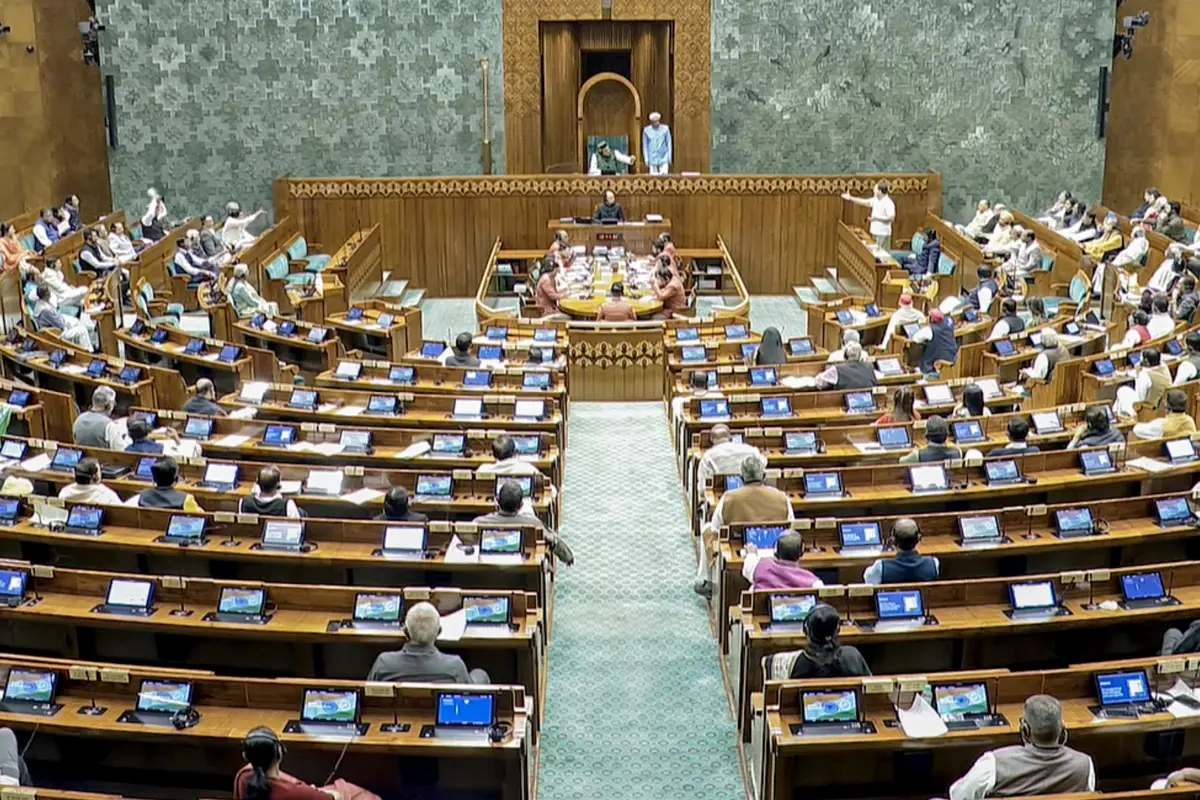
New Delhi: The Industrial Relations Code (Amendment) Bill, 2026 was introduced in the Lok Sabha on 11 February during the Budget Session of Parliament. Union Labour Minister Mansukh Mandaviya tabled the Bill through a supplementary agenda shortly after Question Hour.
The proposed amendment seeks to address potential legal complications concerning the repeal of three earlier labour laws that were replaced by the Industrial Relations Code, 2020. These include:
- The Trade Unions Act, 1926
- The Industrial Employment (Standing Orders) Act, 1946
- The Industrial Disputes Act, 1947
The Industrial Relations Code, 2020 consolidated and replaced these laws, covering matters related to trade unions, industrial employment and industrial disputes.
According to the statement of objects and reasons attached to the Amendment Bill, Section 104 of the 2020 Code contains savings provisions to ensure continuity and legal certainty following the repeal of the previous enactments.
The government stated that although the repeal of the earlier Acts occurred by operation of Section 104 of the Code itself, there remains a possibility of “future confusion” on the mistaken assumption that the power to repeal these enactments was delegated to the executive.
It further clarified that both Section 104 and a notification issued in February 2026 clearly establish that the repeal took effect through the Code’s own provisions. However, to prevent any “future unwarranted complication”, the government has considered it necessary to introduce the amendment.
The Bill is aimed at reinforcing legal clarity and preventing interpretational disputes regarding the continuity and repeal of the earlier labour legislations. Further discussion and consideration of the proposed amendment are expected in Parliament during the ongoing session.
(With PTIinputs)