No more extensions: DGCA issues ‘sunset clause’ for IndiGo’s Turkish fleet operations
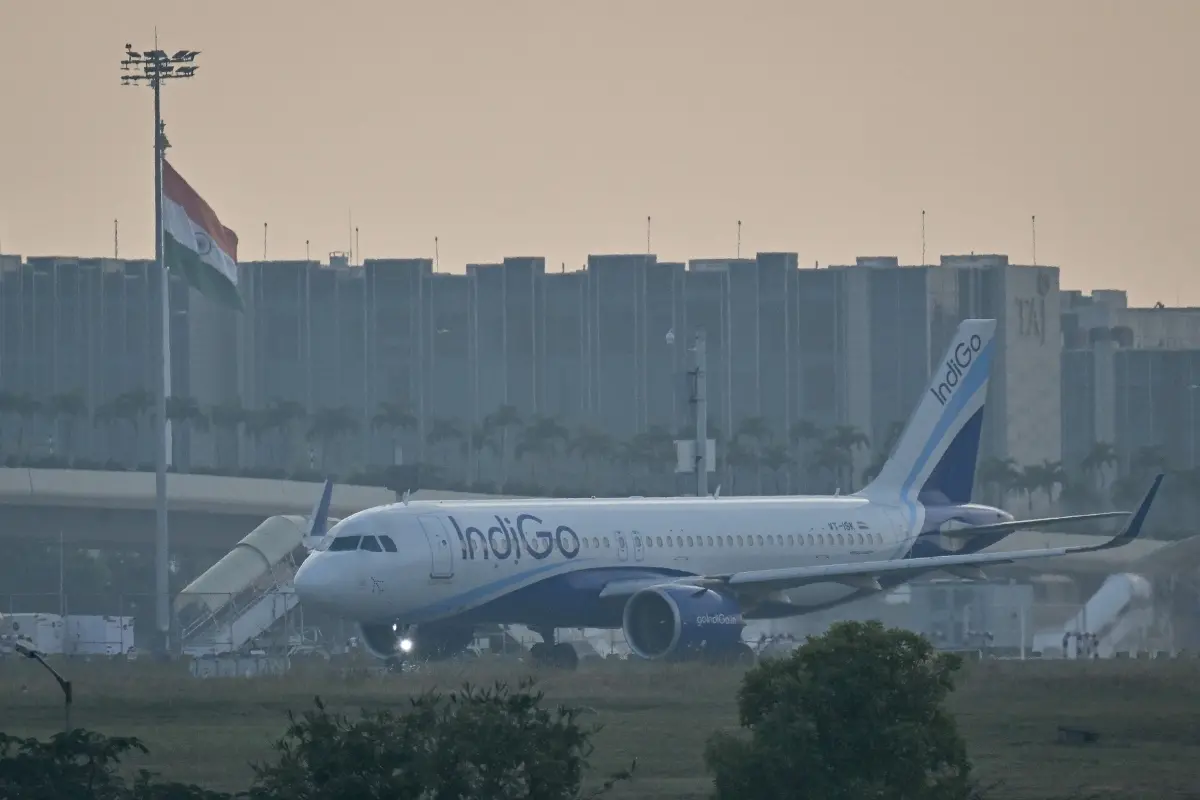
Directorate General of Civil Aviation (DGCA), has drawn a firm line on IndiGo's use of Turkish-leased aircraft, confirming Monday that the carrier must return all such planes by March 2026 with no possibility of further extensions. The decision comes amid lingering diplomatic tensions between India and Turkey following Operation Sindoor earlier this year.
The Directorate General of Civil Aviation clarified that IndiGo can operate five Boeing 737 aircraft leased from Turkey's Corendon Airlines only until March 31, 2026, while two Boeing 777s from Turkish Airlines must be returned even earlier, by February 28, 2026. The regulator included a "sunset clause" explicitly stating that no additional extensions will be granted.
Geopolitical Tensions Drive Decision
The restrictions stem from the military response to the April 2025 Pahalgam terrorist attack, which killed 26 civilians. In May 2025, India launched Operation Sindoor, striking nine sites across Pakistan and Pakistan-administered Kashmir. Turkey's public support for Pakistan and condemnation of India's strikes prompted a backlash in India, including the revocation of security clearance for Turkish ground handling firm Celebi Aviation.
According to the DGCA, the final extension was granted based on IndiGo's commitment that its long-range Airbus A321-XLR aircraft would be delivered by February 2026. The airline had initially requested a six-month extension in May 2025 but was granted only three months until August, then another extension through February for the wide-body aircraft.
Fleet Transition Underway
IndiGo currently operates 15 foreign aircraft on wet or damp lease arrangements, with seven from Turkish carriers. The airline uses the two Boeing 777s for flights to Istanbul from Delhi and Mumbai. Beyond the Turkish aircraft, IndiGo has leased planes from Norway's Norse Atlantic Airways, Qatar Airways, and Latvia's SmartLynx Airlines.
The DGCA emphasised that wet leasing has become a common practice among Indian carriers due to aircraft groundings from engine issues and delivery delays from manufacturers. SpiceJet operates 17 wet-leased aircraft, all from European operators.