10,767-km journey ends in Latur: Critically endangered Indian vulture spotted for first time
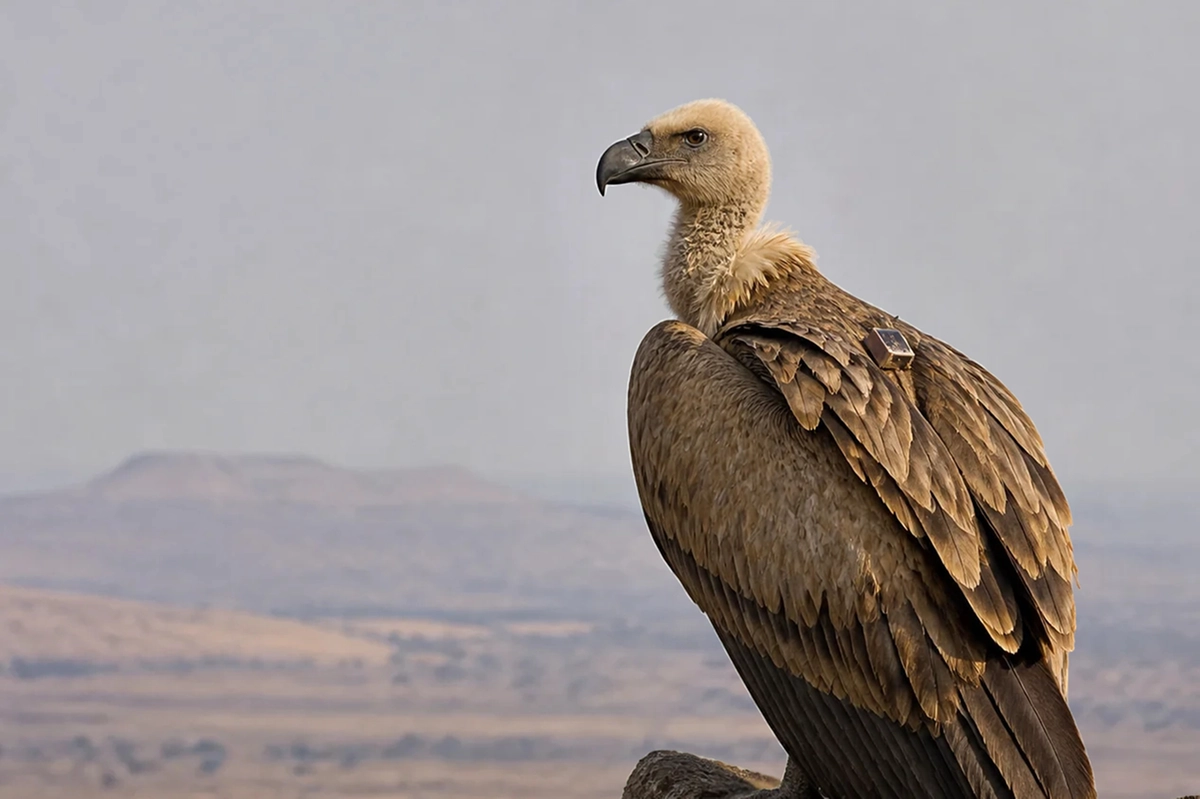
Latur: A journey spanning 10,767 km across three states has brought a critically endangered Indian vulture to an unprecedented destination, with a seven-year-old female bird making the first recorded appearance of its species in Maharashtra's Latur district.
The satellite-tagged vulture, identified as F14/M99, was spotted in Ausa tehsil on November 18, marking a significant moment for wildlife conservation in the region.
The bird has been travelling across Maharashtra, Madhya Pradesh and Karnataka since being released into the wild earlier this year.
Bred at the Bombay Natural History Society's (BNHS) centre in Pinjore, Haryana, the vulture was among 15 birds released into the Somthana forest range of Melghat Tiger Reserve as part of a rehabilitation initiative.
Its unexpected arrival in Latur prompted wildlife enthusiasts and forest officials to undertake a tracking exercise.
Following the initial sighting by wildlife enthusiast Abhijit Rasal, a team comprising Deputy Conservator of Forests Amitraj Jadhav, Latur-based wildlife observer Dhananjay Gutte and Dr Datta Ambekar began tracking the bird at 5.30 am the following day.
The team eventually located the vulture perched in a tree and identified it through the colored bands fitted around its legs, a forest official said.
Satellite tracking records indicate that the bird embarked on its journey on May 28 and had covered 10,767 km by November 20. Its extensive flight path took it through several locations in Maharashtra, including Akot, Malkapur, Nashik, Thane and Pune, before it travelled south to Vijayapura in Karnataka and subsequently returned through Latur.
The sighting is particularly significant given the precarious conservation status of the Indian vulture, which is classified as critically endangered on the International Union for Conservation of Nature (IUCN) Red List.
Vultures perform an indispensable ecological function by feeding on animal carcasses, helping prevent the accumulation of decaying remains and limiting the spread of diseases.
However, their numbers witnessed a catastrophic decline across India, largely due to diclofenac, a veterinary anti-inflammatory drug that causes fatal kidney failure in vultures when they consume carcasses of treated cattle.
Conservationists regard the Latur sighting as an encouraging development for captive-breeding and rehabilitation initiatives.
The bird's extensive movement across state boundaries offers an indication that vultures bred in captivity and subsequently released can adapt to natural surroundings, travel independently and potentially integrate with wild populations.